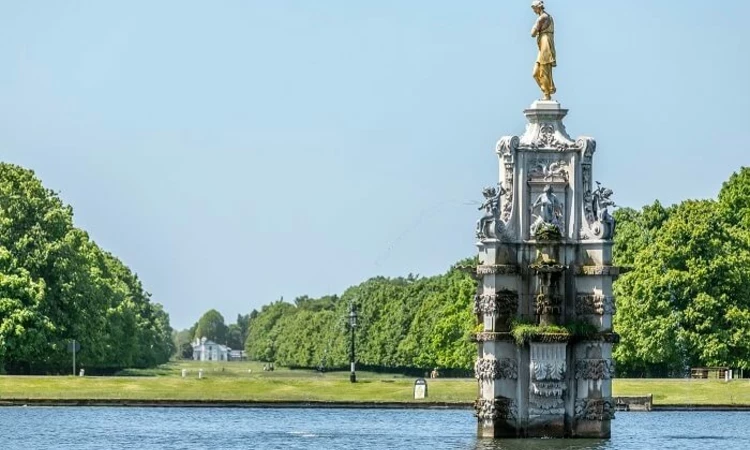
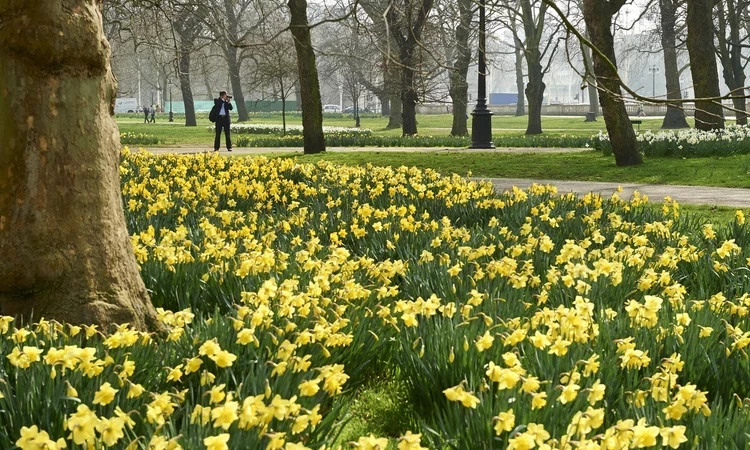
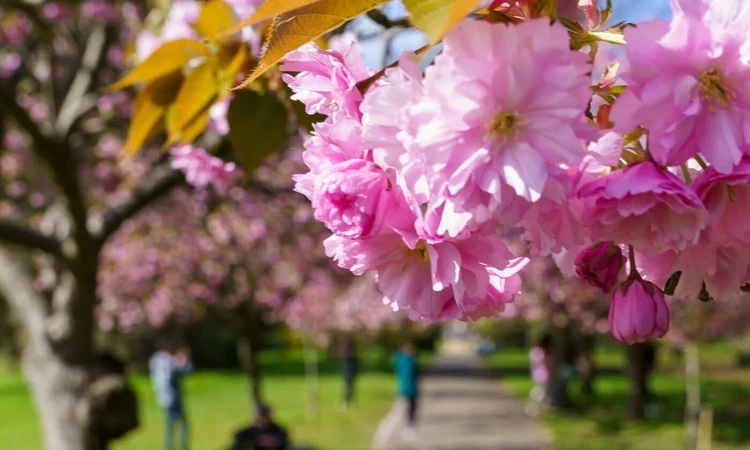
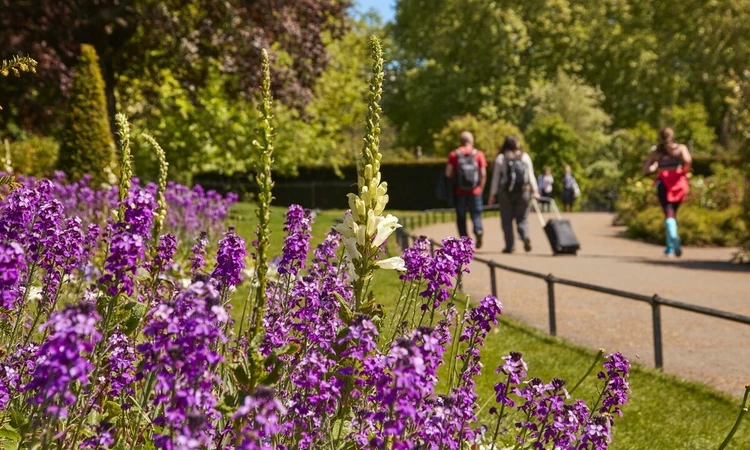
Greenwich Park images of Greenwich Park
History and Architecture

Greenwich Park covers 73 hectares (183 acres) and is the oldest enclosed Royal Park. It is situated on a hilltop with impressive views across the River Thames to the Docklands and the City of London, between Blackheath and the River Thames.

Greenwich Park provides a setting for several historic buildings, including the Old Royal Observatory, the Royal Naval College, the National Maritime Museum and the Queen's House.

There has been a settlement on this site since Roman times, but Greenwich has always been strongly associated with royalty. Since the land was inherited in 1427 by the Duke of Gloucester, brother of Henry V, generations of monarchs have taken this magnificent park to their hearts.

Greenwich was the birthplace of Henry VIII who introduced deer to the park. His two daughters Mary I and Elizabeth I were also born here and his son Edward VI died in Greenwich before he reached his sixteenth birthday. In the early 1600s, the park was laid out in the French style with many trees planted, some of which remain today. James I gave the palace and the park to his wife, Queen Anne, who commissioned Inigo Jones to design her a special home which became know as the Queen's House.

It was Charles II's great interest in science that resulted in the founding of The Royal Society in 1661. Sir Christopher Wren was commissioned to build The Royal Observatory, named Flamsteed House after the first Royal Astronomer John Flamsteed and now part of the National Maritime Museum. Today Greenwich is a World Heritage Site and is most famous for Greenwich Mean Time. During World War II, there were anti-aircraft guns in the Flower Garden and the tips of some of the trees were cut off to widen the field of fire. Evidence of this can still be seen in the truncated shape of some of the trees. After the war, the park was restored to its former glory.


The Royal Parks

History and Architecture

Greenwich Park images of Greenwich Park
History and Architecture

Greenwich Park covers 73 hectares (183 acres) and is the oldest enclosed Royal Park. It is situated on a hilltop with impressive views across the River Thames to the Docklands and the City of London, between Blackheath and the River Thames.

Greenwich Park provides a setting for several historic buildings, including the Old Royal Observatory, the Royal Naval College, the National Maritime Museum and the Queen's House.

There has been a settlement on this site since Roman times, but Greenwich has always been strongly associated with royalty. Since the land was inherited in 1427 by the Duke of Gloucester, brother of Henry V, generations of monarchs have taken this magnificent park to their hearts.

Greenwich was the birthplace of Henry VIII who introduced deer to the park. His two daughters Mary I and Elizabeth I were also born here and his son Edward VI died in Greenwich before he reached his sixteenth birthday. In the early 1600s, the park was laid out in the French style with many trees planted, some of which remain today. James I gave the palace and the park to his wife, Queen Anne, who commissioned Inigo Jones to design her a special home which became know as the Queen's House.

It was Charles II's great interest in science that resulted in the founding of The Royal Society in 1661. Sir Christopher Wren was commissioned to build The Royal Observatory, named Flamsteed House after the first Royal Astronomer John Flamsteed and now part of the National Maritime Museum. Today Greenwich is a World Heritage Site and is most famous for Greenwich Mean Time. During World War II, there were anti-aircraft guns in the Flower Garden and the tips of some of the trees were cut off to widen the field of fire. Evidence of this can still be seen in the truncated shape of some of the trees. After the war, the park was restored to its former glory.


The Royal Parks
Landing Image
History and Architecture

This is some blurb text. This should be changed in the metadata screen for this asset.


Buy Plants Online

Headspace

Royal Parks Shop

Royal Parks Shop

In History and Architecture

No results

Royal Parks Store

Visit the Royal Parks Shop

Lorem Ipsum

Lorem ipsum dolor sit amet pulvinar consectetur elit adisciplin donec avec elit magna pul vinar estbul ipsum elit sit donec ipsum.

Buy now...

Things to see

  • Thing to see 1

    Thing to see 1

    Enter a brief description of the page. This should be a summary of the contents and theme of the page.

    More things to see...
  • Thing to see 2

    Thing to see 2

    Enter a brief description of the page. This should be a summary of the contents and theme of the page.

    More things to see...
  • Thing to see 3

    Thing to see 3

    Enter a brief description of the page. This should be a summary of the contents and theme of the page.

    More things to see...
  • Thing to see 4

    Thing to see 4

    Enter a brief description of the page. This should be a summary of the contents and theme of the page.

    More things to see...

Things to do

  • Thing to do 1

    Thing to do 1

    Enter a brief description of the page. This should be a summary of the contents and theme of the page.

    More things to do...
  • Thing to do 2

    Thing to do 2

    Enter a brief description of the page. This should be a summary of the contents and theme of the page.

    More things to do...
  • Thing to do 3

    Thing to do 3

    Enter a brief description of the page. This should be a summary of the contents and theme of the page.

    More things to do...
  • Thing to do 4

    Thing to do 4

    Enter a brief description of the page. This should be a summary of the contents and theme of the page.

    More things to do...

Connect with us

Facebook Icon Flickr Icon YouTube Icon Twitter Icon
Greenwich Park images of Greenwich Park
History and Architecture

Greenwich Park covers 73 hectares (183 acres) and is the oldest enclosed Royal Park. It is situated on a hilltop with impressive views across the River Thames to the Docklands and the City of London, between Blackheath and the River Thames.

Greenwich Park provides a setting for several historic buildings, including the Old Royal Observatory, the Royal Naval College, the National Maritime Museum and the Queen's House.

There has been a settlement on this site since Roman times, but Greenwich has always been strongly associated with royalty. Since the land was inherited in 1427 by the Duke of Gloucester, brother of Henry V, generations of monarchs have taken this magnificent park to their hearts.

Greenwich was the birthplace of Henry VIII who introduced deer to the park. His two daughters Mary I and Elizabeth I were also born here and his son Edward VI died in Greenwich before he reached his sixteenth birthday. In the early 1600s, the park was laid out in the French style with many trees planted, some of which remain today. James I gave the palace and the park to his wife, Queen Anne, who commissioned Inigo Jones to design her a special home which became know as the Queen's House.

It was Charles II's great interest in science that resulted in the founding of The Royal Society in 1661. Sir Christopher Wren was commissioned to build The Royal Observatory, named Flamsteed House after the first Royal Astronomer John Flamsteed and now part of the National Maritime Museum. Today Greenwich is a World Heritage Site and is most famous for Greenwich Mean Time. During World War II, there were anti-aircraft guns in the Flower Garden and the tips of some of the trees were cut off to widen the field of fire. Evidence of this can still be seen in the truncated shape of some of the trees. After the war, the park was restored to its former glory.


The Royal Parks