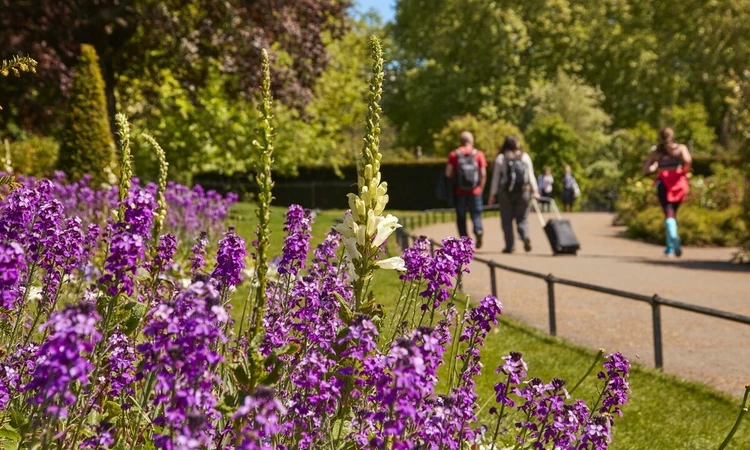
Hyde Park provides a unique habitat in the heart of London for a diverse variety of species of flora and fauna. Positive changes in management practices have gone a long way to encourage new species into the park. The creation of the meadow area gives a flavour of how Hyde Park once looked and this area has become more diverse year on year since its creation. Have a look during the summer for butterflies feeding off the native wildflowers in the meadow.
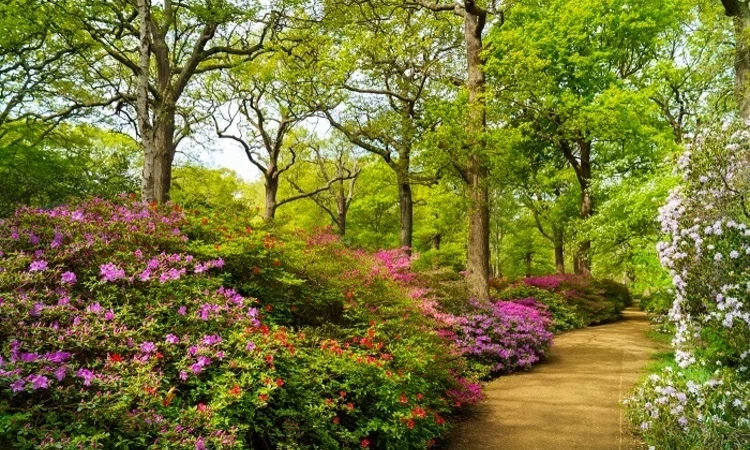
The trees, shrub beds and herbaceous plantings provide rich habitats for song birds including the robin, dunnocks and tits. Look out for small groups of Long Tailed Tits that hop around from tree to tree looking for insects and nesting materials. However, over feeding of aggressive feral pigeons and squirrels threatens the native song birds as they are not able to compete with these pests.

The Serpentine attracts a large number of wildfowl into the park, many of which are winter visitors to the park. Look out for the exotic looking great crested grebes and their spectacular mating rituals. The lake also attracts a large number of insects that provides a perfect feeding ground for bats. The best place to view bats is on Dell bridge around dusk and also close to Serpentine Bridge.
Much of the wildlife in the park goes unnoticed by the majority of visitors. This includes a large number of 'minibeasts' such as beetles, bees and ground foraging insects. These insects are a vital component of the park ecosystem and the creation and protection of their habitats is very important for the overall health of the park.
Look out for other exotic and unusual visitors to Hyde Park. Recent sightings have included a black swan, a buzzard and egyptian geese. Feel free to report any unusual sightings that you see during your visit to Hyde Park.

Hyde Park provides a unique habitat in the heart of London for a diverse variety of species of flora and fauna. Positive changes in management practices have gone a long way to encourage new species into the park. The creation of the meadow area gives a flavour of how Hyde Park once looked and this area has become more diverse year on year since its creation. Have a look during the summer for butterflies feeding off the native wildflowers in the meadow.
The trees, shrub beds and herbaceous plantings provide rich habitats for song birds including the robin, dunnocks and tits. Look out for small groups of Long Tailed Tits that hop around from tree to tree looking for insects and nesting materials. However, over feeding of aggressive feral pigeons and squirrels threatens the native song birds as they are not able to compete with these pests.

The Serpentine attracts a large number of wildfowl into the park, many of which are winter visitors to the park. Look out for the exotic looking great crested grebes and their spectacular mating rituals. The lake also attracts a large number of insects that provides a perfect feeding ground for bats. The best place to view bats is on Dell bridge around dusk and also close to Serpentine Bridge.
Much of the wildlife in the park goes unnoticed by the majority of visitors. This includes a large number of 'minibeasts' such as beetles, bees and ground foraging insects. These insects are a vital component of the park ecosystem and the creation and protection of their habitats is very important for the overall health of the park.
Look out for other exotic and unusual visitors to Hyde Park. Recent sightings have included a black swan, a buzzard and egyptian geese. Feel free to report any unusual sightings that you see during your visit to Hyde Park.
This is some blurb text. This should be changed in the metadata screen for this asset.
Lorem ipsum dolor sit amet pulvinar consectetur elit adisciplin donec avec elit magna pul vinar estbul ipsum elit sit donec ipsum.
Buy now...
Barclaycard presents British Summer Time Hyde Park, a ground breaking new concert series and outdoor experience from 5 July - 14 July 2013.
More things to do...
A permanent memorial to honour the victims of the 7 July 2005 London Bombings was unveiled in Hyde Park by Their Royal Highnesses, The Prince of Wales and The Duchess of Cornwall.
More things to do...
This unique Memorial to Diana, Princess of Wales was opened by Her Majesty The Queen on 6th July 2004 and was built with the best materials, talent and technology.
More things to do...
Royal Gun Salutes mark special royal occasions. On these days salutes are fired from locations in London including Hyde Park and Green Park.
More things to do...
Daily public swimming in The Serpentine from June - September. Serpentine Swimming Club swims every day, including the famous race on Christmas day.
More things to do...
Rowing and pedal boats are available to hire on the Serpentine in Hyde Park. You can also take a ride on the UK's first Solarshuttle, powered only by the sun.
More things to do...
The Diana Princess of Wales Memorial Walk is a seven-mile-long walk, charted by 90 plaques set in the ground, that takes you within sight of famous buildings and locations associated with the Princess during her life.
More things to do...
Hyde Park provides a unique habitat in the heart of London for a diverse variety of species of flora and fauna. Positive changes in management practices have gone a long way to encourage new species into the park. The creation of the meadow area gives a flavour of how Hyde Park once looked and this area has become more diverse year on year since its creation. Have a look during the summer for butterflies feeding off the native wildflowers in the meadow.
The trees, shrub beds and herbaceous plantings provide rich habitats for song birds including the robin, dunnocks and tits. Look out for small groups of Long Tailed Tits that hop around from tree to tree looking for insects and nesting materials. However, over feeding of aggressive feral pigeons and squirrels threatens the native song birds as they are not able to compete with these pests.

The Serpentine attracts a large number of wildfowl into the park, many of which are winter visitors to the park. Look out for the exotic looking great crested grebes and their spectacular mating rituals. The lake also attracts a large number of insects that provides a perfect feeding ground for bats. The best place to view bats is on Dell bridge around dusk and also close to Serpentine Bridge.
Much of the wildlife in the park goes unnoticed by the majority of visitors. This includes a large number of 'minibeasts' such as beetles, bees and ground foraging insects. These insects are a vital component of the park ecosystem and the creation and protection of their habitats is very important for the overall health of the park.
Look out for other exotic and unusual visitors to Hyde Park. Recent sightings have included a black swan, a buzzard and egyptian geese. Feel free to report any unusual sightings that you see during your visit to Hyde Park.