
Welcome to The Royal Parks
We are the charity that cares for the most famous collection of urban parks in the world. We provide free access to London’s beautiful, natural and historic green spaces, to help improve everyone’s quality of life and wellbeing.
Explore the Royal Parks
-
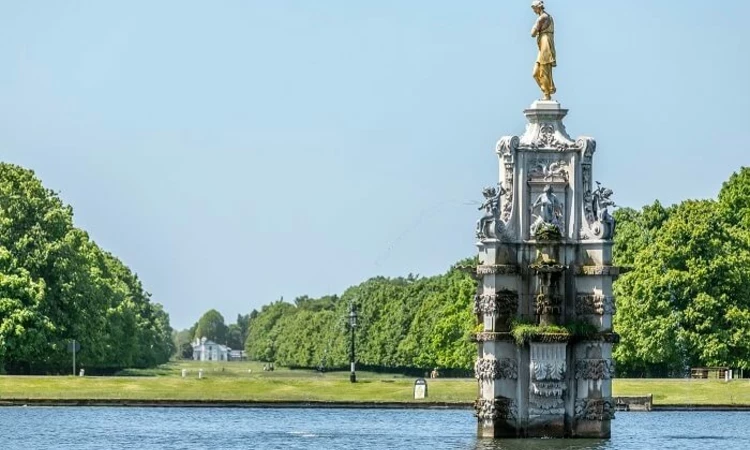
Bushy Park
Welcome to Bushy Park, the second largest of London’s eight Royal Parks at over 1000 acres, home to wild deer and located north of Hampton Court Palace.
-
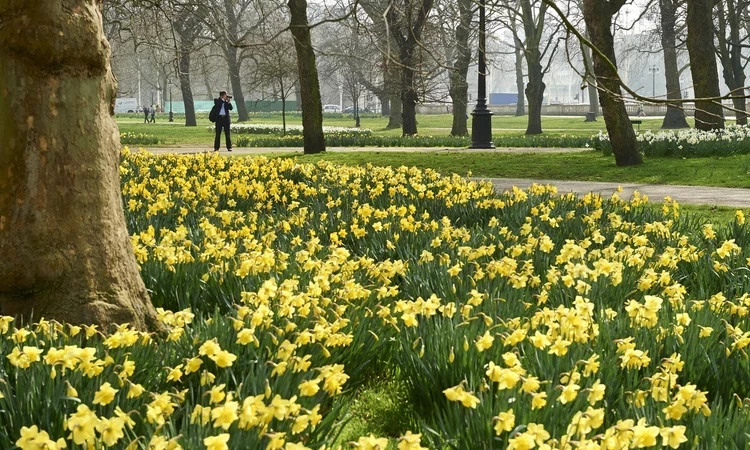
The Green Park
The Green Park is one of London’s eight Royal Parks, a peaceful triangle of mature trees and grasslands offering a quiet retreat from city life.
-
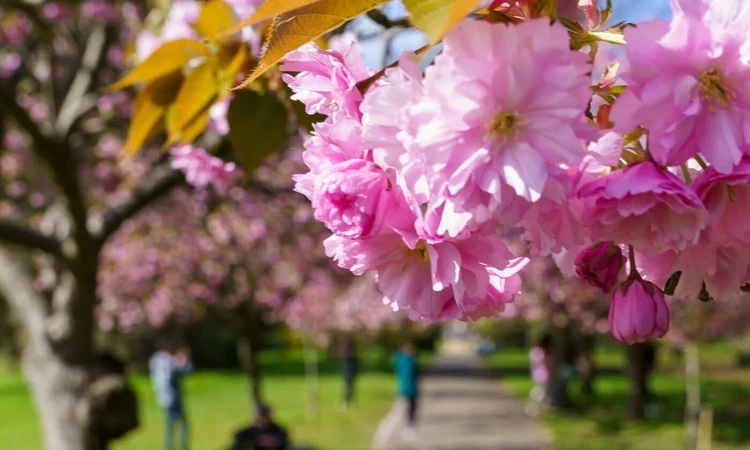
Greenwich Park
Welcome to Greenwich Park, one of London’s eight Royal Parks; a mix of 17th-century landscape, stunning gardens and a history dating back to Roman times.
-
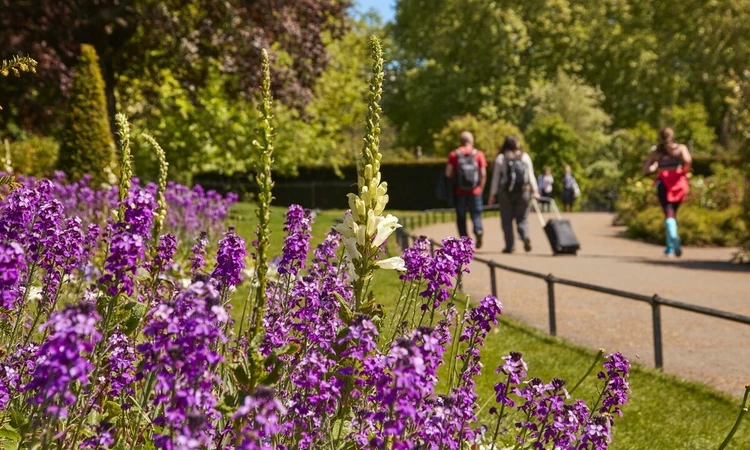
Hyde Park
Visit Hyde Park, known for its major events and home to a variety of gardens, children’s playgrounds, sports facilities and historic monuments.
-
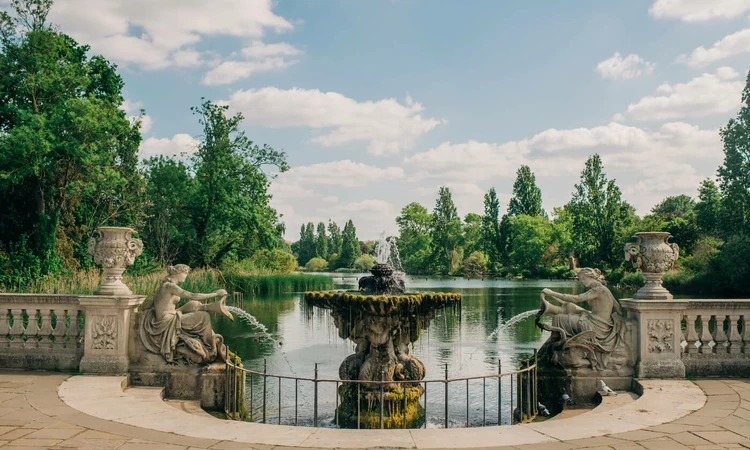
Kensington Gardens
Kensington Gardens is one of London’s eight Royal Parks covering an area of 265 acres of old and new park and green space.
-
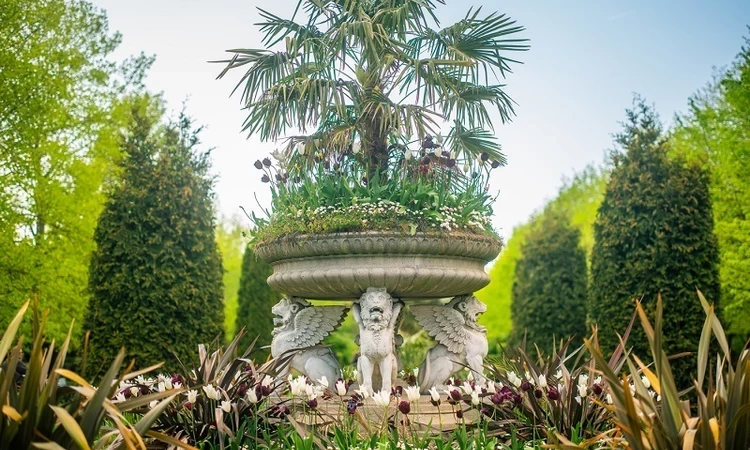
The Regent's Park & Primrose Hill
Welcome to The Regent’s Park & Primrose Hill, home to a large wetland area, gardens, children’s playgrounds, sports facilities and more.
-
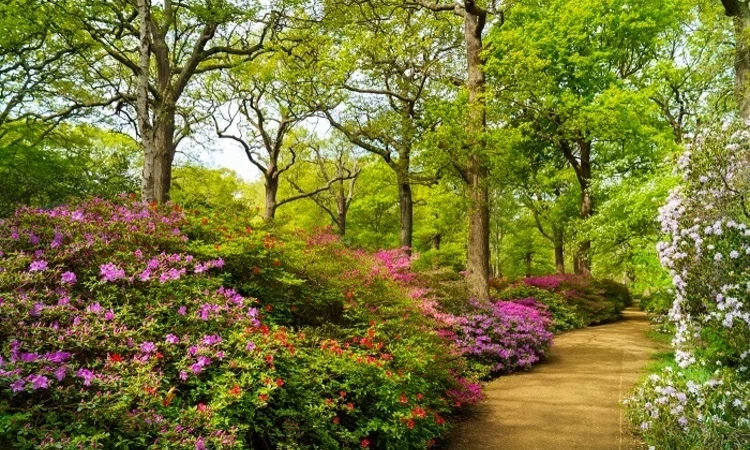
Richmond Park
Welcome to Richmond Park, one of London’s eight Royal Parks, covering 2,500 acres and home to ancient trees, herds of deer and the Isabella Plantation.
-
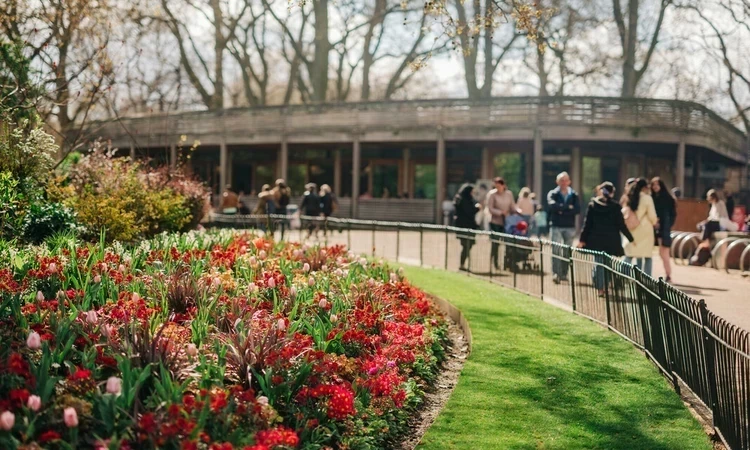
St. James's Park
Welcome to St. James’s Park, the oldest Royal Park at the heart of ceremonial London. Enjoy great views of the lake and fountain from St. James’s Café.
-
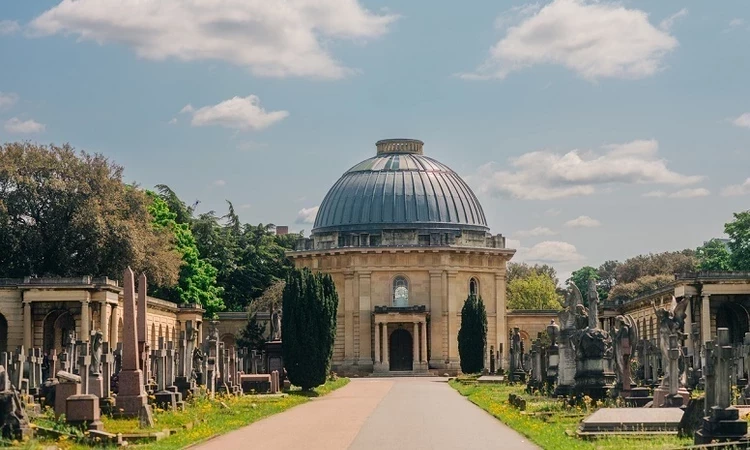
Brompton Cemetery
The Grade I listed Brompton Cemetery in West London is the well-loved resting place of over 200,000 people and a haven for wildlife.
-
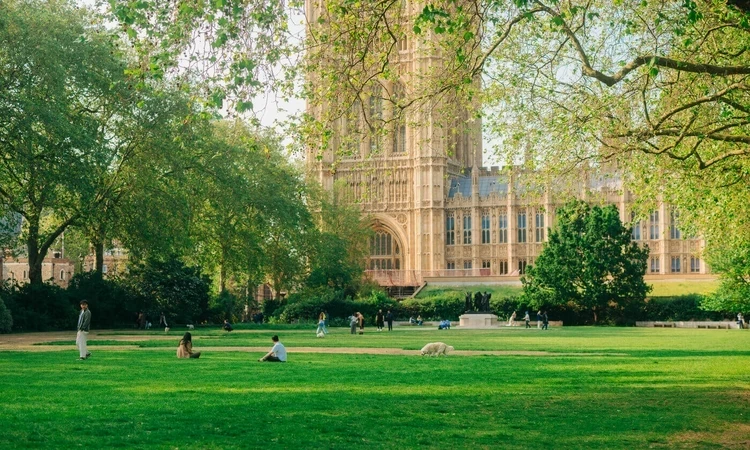
Victoria Tower Gardens
Victoria Tower Gardens is a small pocket of green space in the heart of Westminster that's home to a number of memorials.


Our charity and the work we do
We are the charity that cares for the most famous collection of urban parks in the world.
-
The Royal Parks charity
Our vision, purpose and information about the work we do to care for the parks
-
Nature & wildlife
Life flourishes in the Royal Parks, and we want to keep it thriving for decades to come.
-
Climate & conservation
Around the world, climate change is placing increasing pressure on our natural and urban environments

Help care for your parks
London’s eight Royal Parks hold a special place in peoples’ hearts. They offer much-needed respite and serve as a lifeline to nature in the bustling city. Find out what we can achieve with your generous support to preserve these treasured green spaces for generations to come.
