
The pelicans of St. James's Park
For over 350 years, pelicans have made St. James’s Park their home, becoming one of its most iconic sights.
The pelicans are a unique and much-loved feature of St. James’s Park, delighting visitors from around the world. These sociable birds are often seen swimming, preening and basking in the sunshine on the lake.
History of the pelicans
First introduced to the park in 1664 as a gift from the Russian Ambassador, pelicans have been part of St. James’s Park for centuries. Over that time, more than 40 pelicans have called the park home.
Today, residents include Isla, Tiffany and Gargi, along with more recent additions Sun, Moon and Star.

Where to see the pelicans
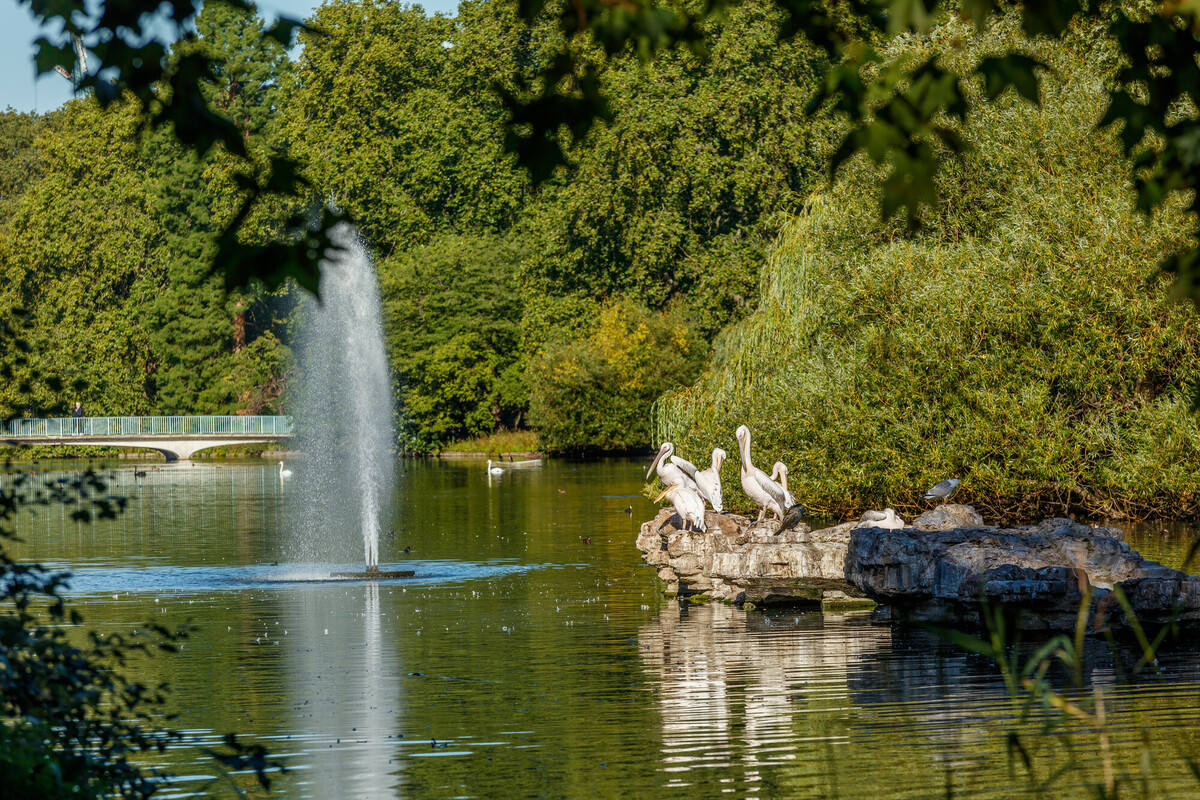
The pelicans are free to roam but rarely stray far from the lake, where they can often be found resting on their favourite rocks in the middle of the water. Look out for them catching fish from the lake, swimming together or preening their feathers.
Pelicans are outgoing, sociable creatures and can sometimes be spotted close to visitors, even sitting on park benches. One particularly mischievous pelican was once known to fly over to London Zoo in Regent’s Park to steal fish for lunch.

Pelican chicks arrive in 2026
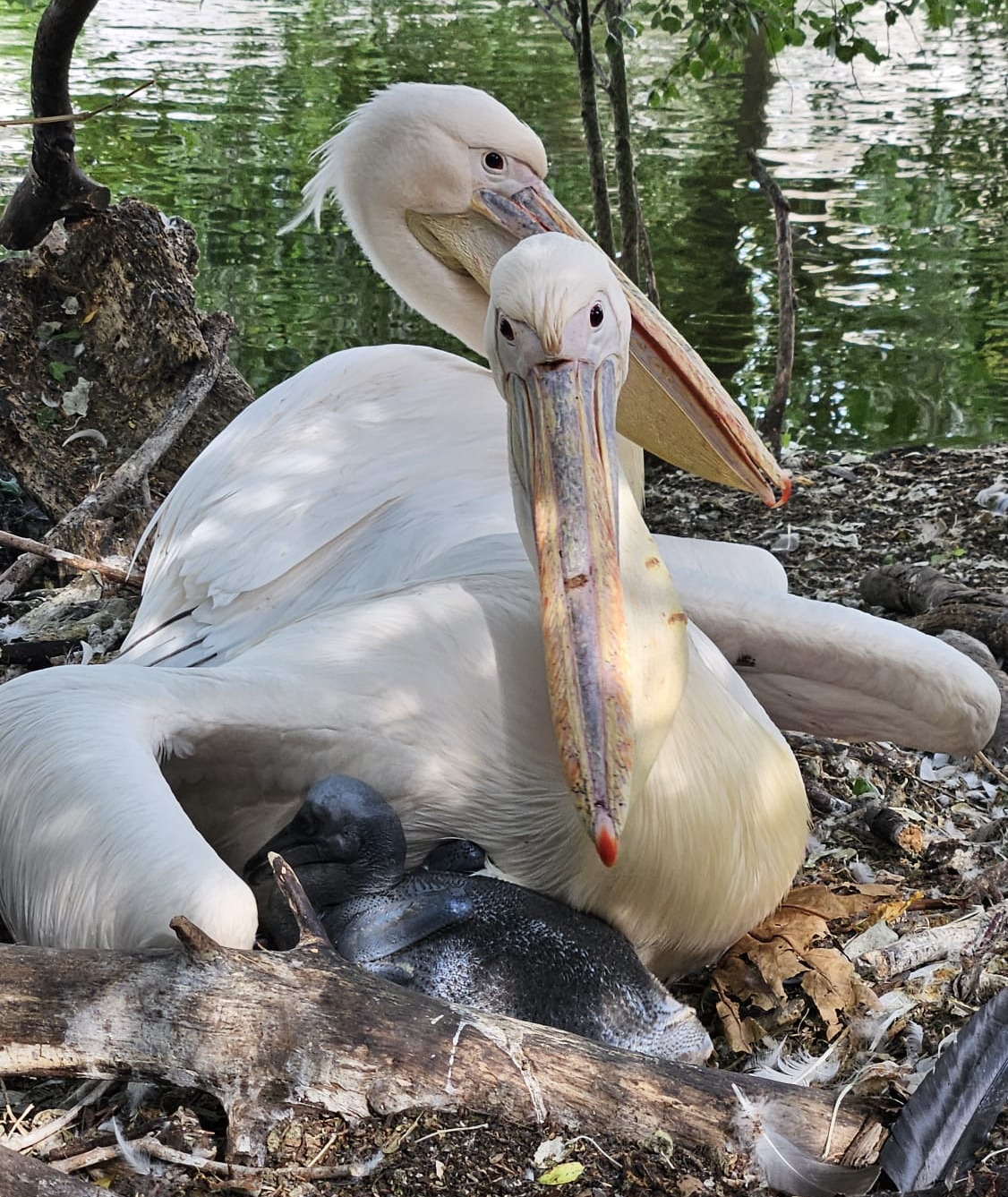
For the first time in over 360 years, the sound of pelican chicks has been heard in St. James’s Park, marking a remarkable milestone. Four chicks hatched in the park late last month, signalling an exciting new chapter for this historic pelican population.
We are working closely with Blackpool Zoo, ZSL and the Wildfowl and Wetlands Trust to provide specialist care for the young birds. The chicks are currently being protected in a secure area of the park that is not accessible to visitors.
Although not yet named, the chicks are expected to take to the water at around three months old, when they will begin to join the adult pelicans. Until then, they remain vulnerable, and visitors are asked to respect their space and avoid disturbing them.

Meet the pelicans


-
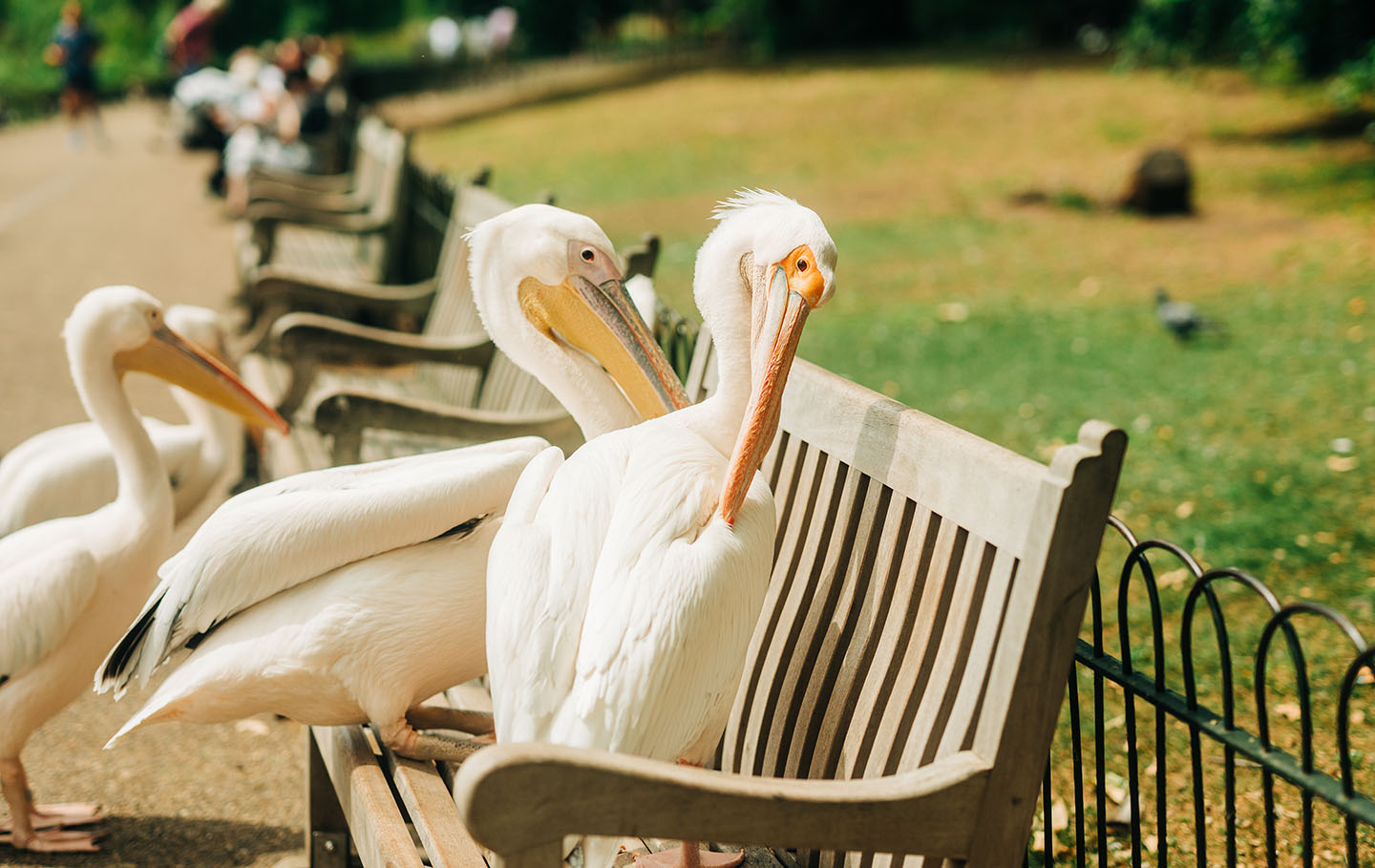 St. James's Park
 -
-
 St. James's Park
 -
 Credit: Wildlife Officers Sam Bonham and Nick Burnham St James's Park
 -
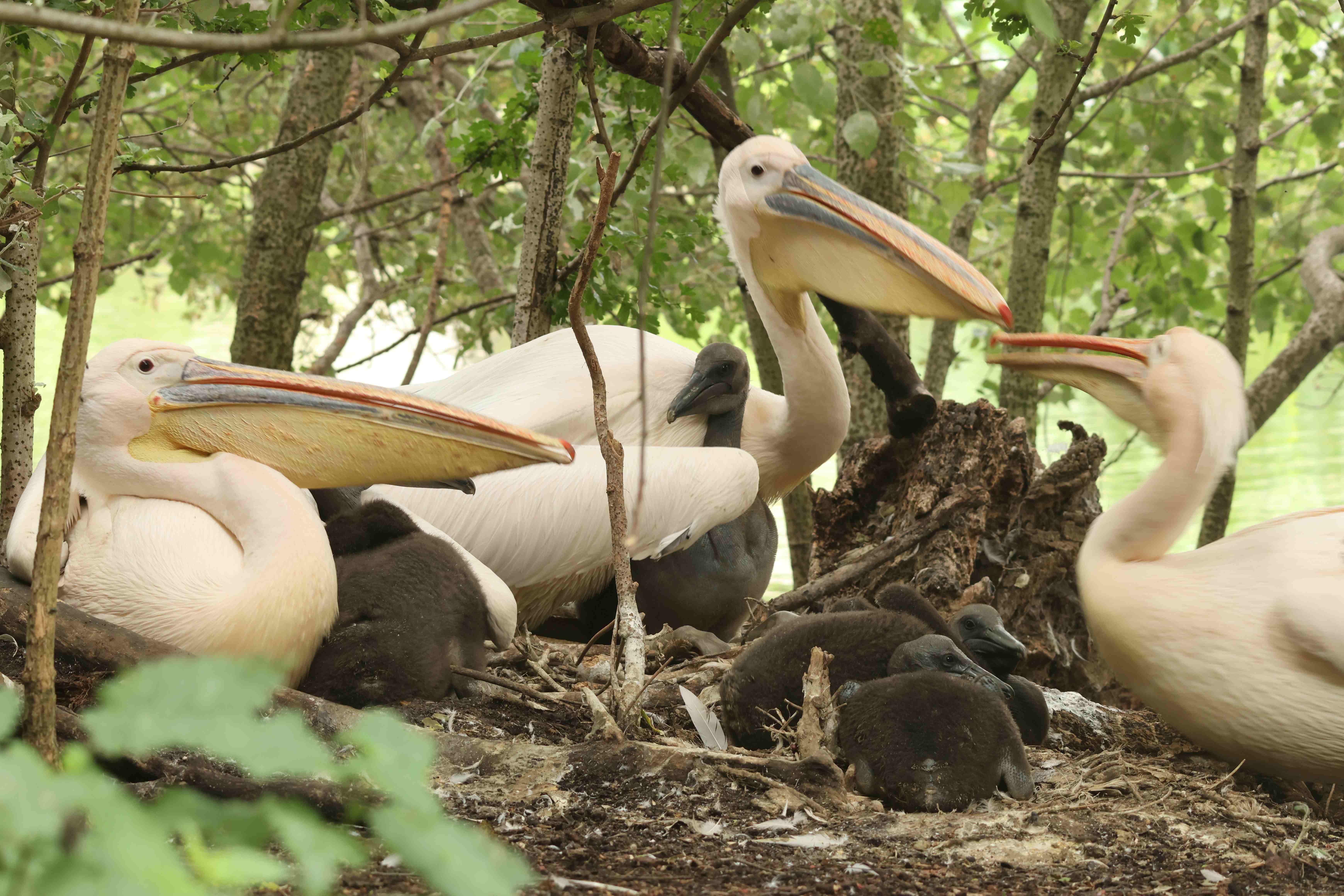 Credit: Wildlife Officers Sam Bonham and Nick Burnham St James's Park
 -
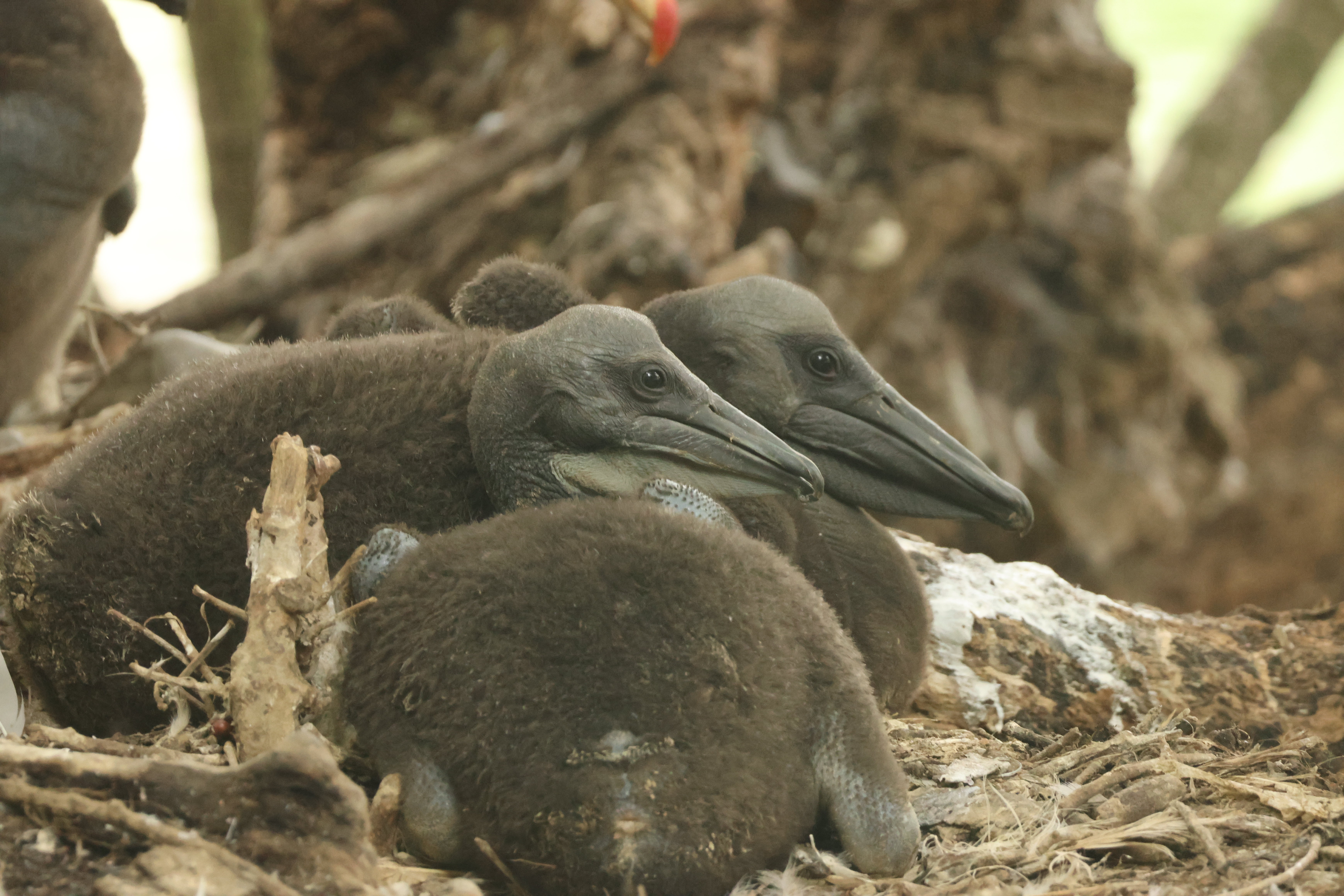
-
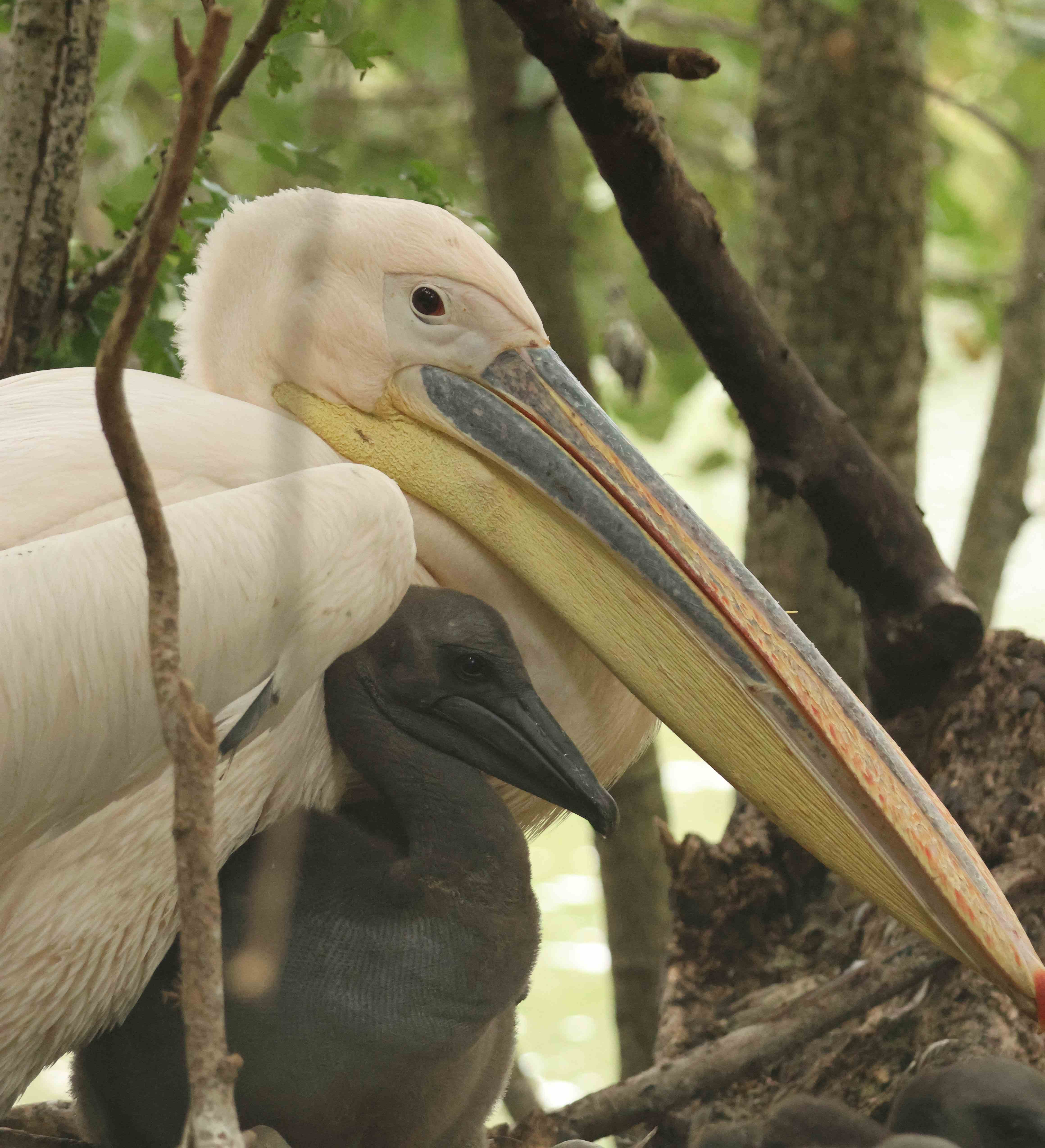 Credit: Wildlife Officers Sam Bonham and Nick Burnham St James's Park
 -
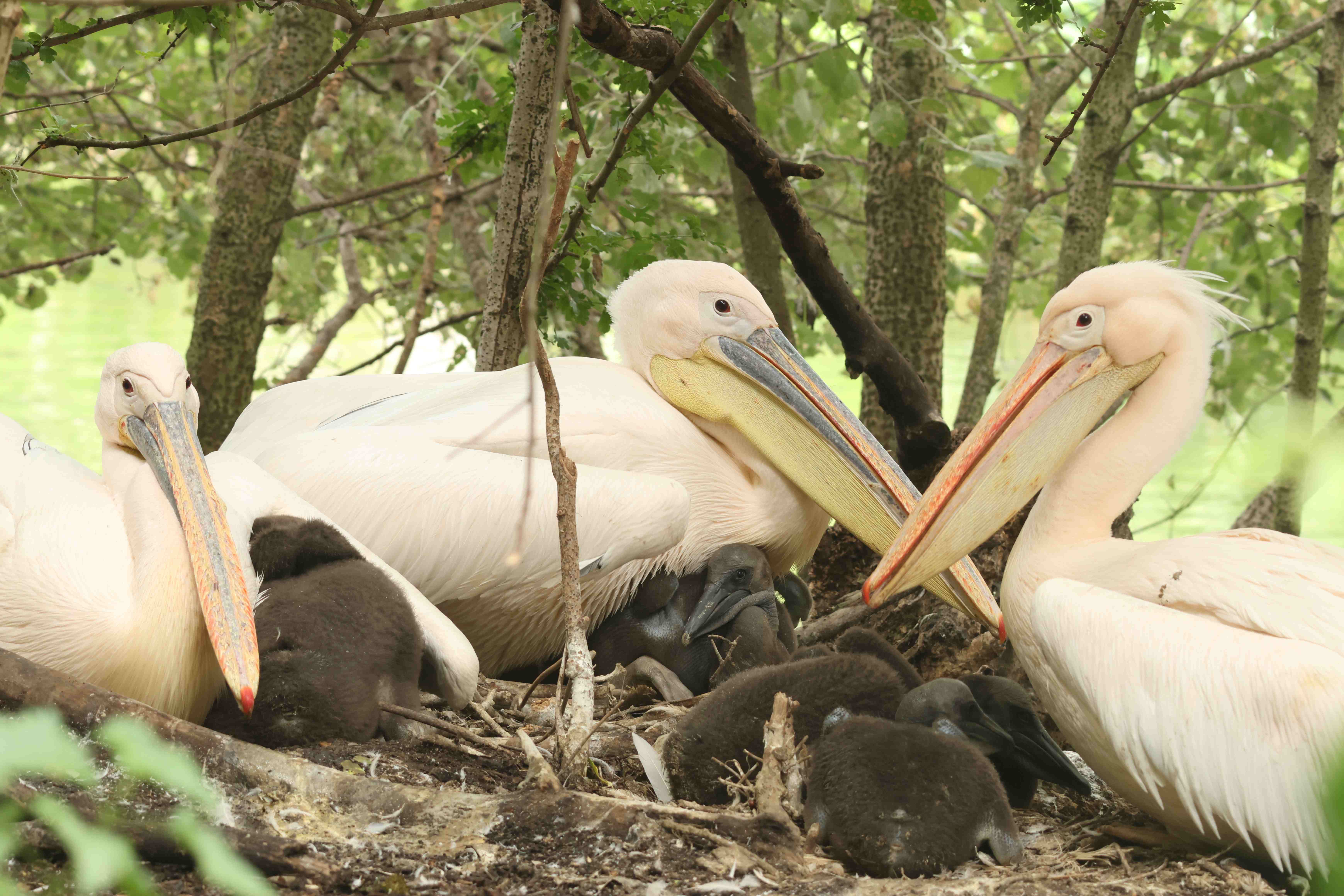 Credit: Wildlife Officers Sam Bonham and Nick Burnham St James's Park
Fun facts about pelicans
- Pelicans have the second largest wingspan of all living birds (after the great albatrosses) ranging from 226cm to 360cm
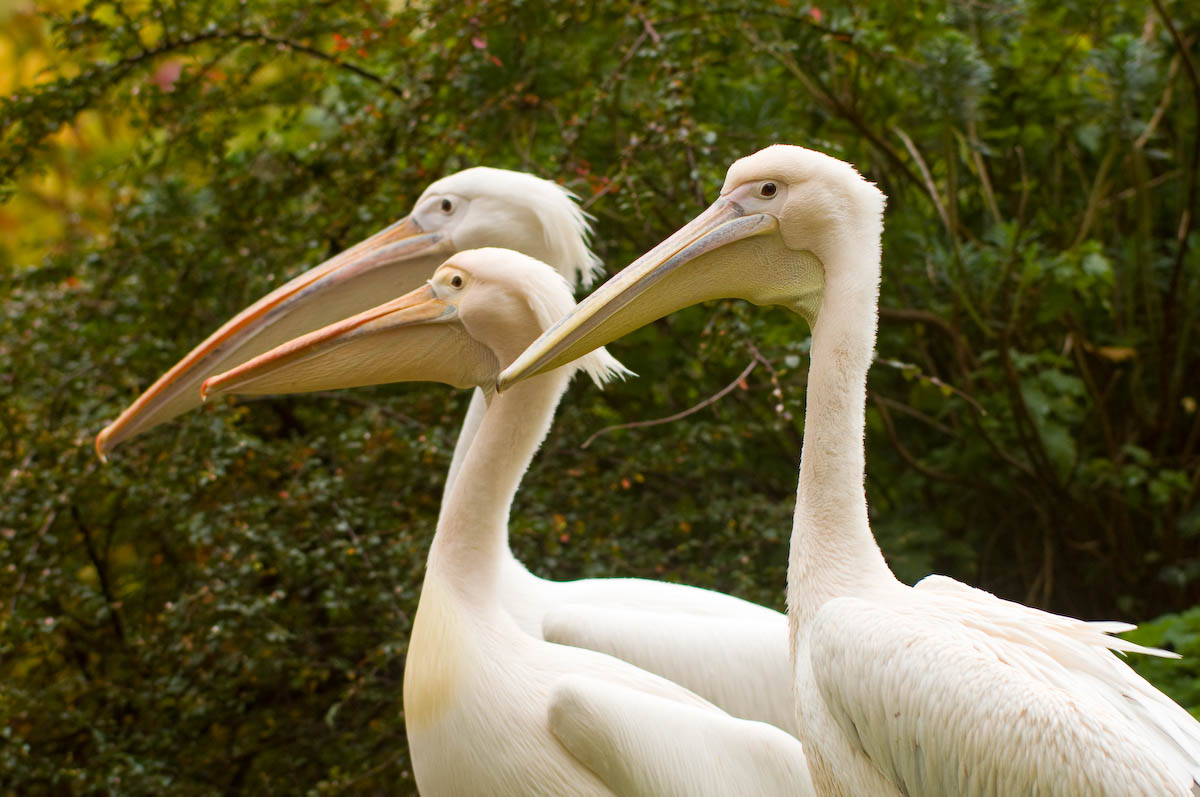
- Adults have pure white plumage, a bare pink facial patch around the eye and pinkish legs
- Males are larger than females, and have a long beak that grows in a downwards arc, as opposed to the shorter, straighter beak of the female
- Adult males weigh from 9 to 15kg. Females are considerably smaller and weigh from 5.4 to 9kg.
Frequently asked questions
Pelicans have lived in St. James’s Park since 1664, when a pair was presented to King Charles II by the Russian Ambassador. They have remained ever since as part of a long-standing royal tradition, making them one of the park’s most distinctive and historic features.
Pelicans are residents of the park and no area is out of bounds. The pelicans generally choose to stay on the lake and not wander because that is where they have an ideal habitat.
The pelicans are fed fish daily on a mixture of roach, tench, carp, trout, and occasionally herrings and sardines. The fish population in the lake also offers them the opportunity to snack between meals and they can often be seen swimming and feeding together.
The pelicans are fed fish daily, usually at around 2.30pm (although currently there have been additional meal times added due to the arrival of pelican chicks). The fish population in the lake also offers the pelicans the opportunity to snack between meals and they can often be seen swimming and feeding together.
Please do not approach the pelican chicks, and ensure to give them the space they need especially while they are still vulnerable to avoid them becoming overwhelmed and to help them thrive.
Note that dogs must be kept on leads on the path around the lake in St. James’s Park. You can find out more here.
Our experts are liaising with Blackpool Zoo, The Royal Veterinary College, ZSL and Wildfowl and Wetlands Trust.
The chicks will be raised in their nests by their parents, who are the experts in making sure they learn to adapt to their new environment and get the food and care they need.
While our wildlife officers will provide ongoing monitoring and step in if urgent care is needed, the pelicans will be left alone in the safety of familiar surroundings. We have been advised to provide the pelicans with as much fish as they want. We have added an additional morning feeding slot to their usual afternoon feed to make sure they have all the fish they need, so that the parents can keep their strength up as they will be regurgitating a lot of their meal to the chicks.
Once the eggs hatch, pelican chicks are born completely helpless and fully dependent on their parents for food and warmth. They start as naked hatchlings with no or few feathers and closed eyes.
Within a few weeks, they have developed white or dark brown fluffy feathers and begin to explore their surroundings and develop hunting skills. Between 9 and 12 weeks the pelican chicks are expected to take to the water with their parents.
Baby pelicans grunt to beg for food, which sounds like a small dog barking. Both parents take turns caring for and feeding the chicks with regurgitated fish for several months. After this time, the chicks can fend for themselves.
Pelican chicks grow quickly. The chicks may grow to be a hundred times heavier than their hatching weight.
Pelicans breed in big colonies and the new arrivals are likely to be accepted quickly. From about 12 weeks, the young pelicans may gather together in what is known as a creche.
The pelican chicks currently remain unnamed, and an announcement of their names will be made in due course.