Autumn through the ages: Folklore, whimsy and traditions in nature
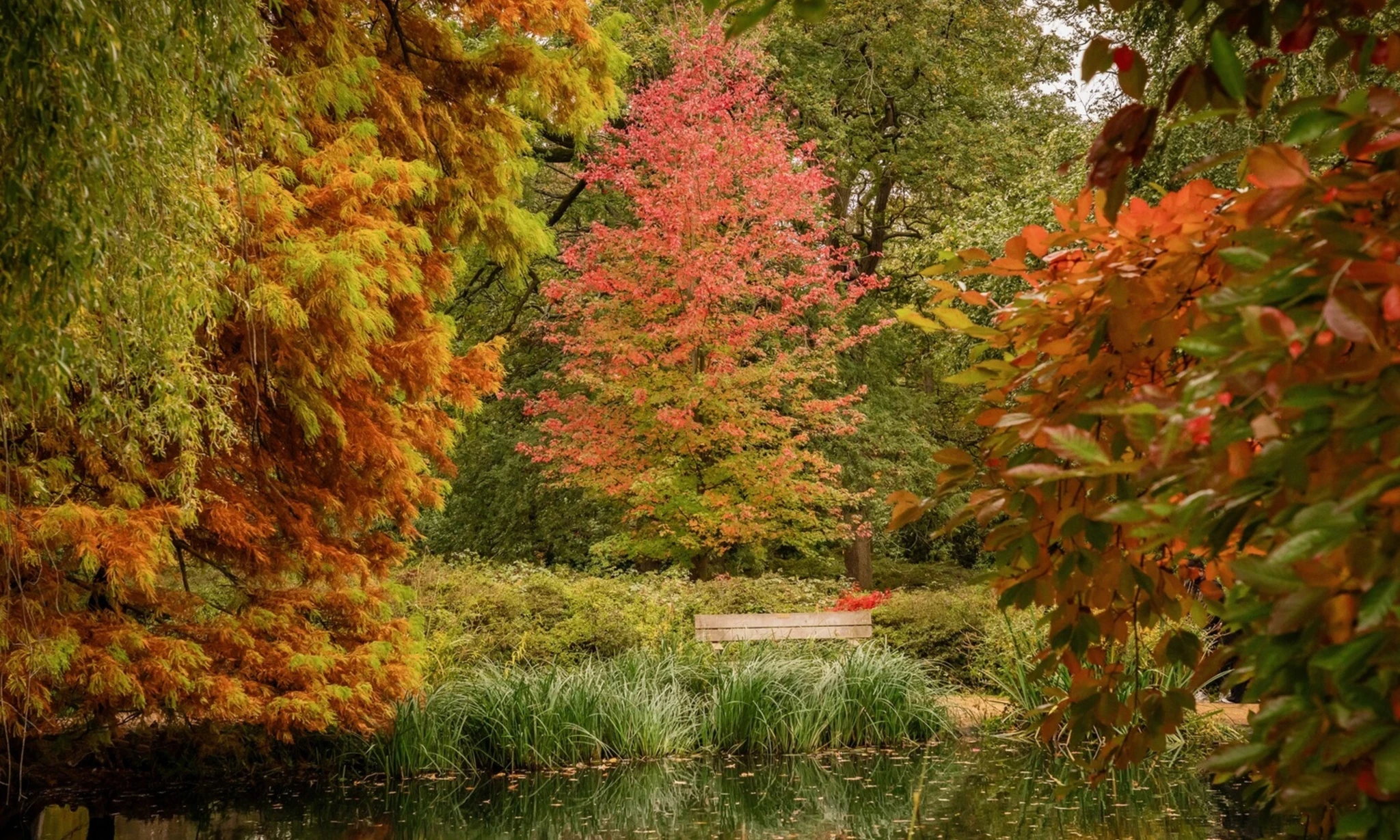
Autumn has long captured the imagination. As leaves turn to shades of gold and amber, mornings grow mistier and wildlife prepares for the colder months ahead, people have traditionally found meaning and wonder in nature. Across the centuries, the changing season has given rise to traditions, folklore, scientific curiosity and artistic expression. From Michaelmas customs and woodland nut-gathering to Victorian fungi hunters, rutting deer and atmospheric tales of mist and mystery, the season has shaped customs and experiences for generations. Discover how our ancestors experienced autumn in the natural landscape and why the season continues to captivate us today.
Michaelmas, the traditional beginning of autumn
Michaelmas, or the Feast of Michael and All Angels, is celebrated annually on 29 September. Occurring close to the autumn equinox, it was traditionally regarded as the point at which autumn truly began, marking the gradual shortening of the days. In England, Michaelmas is one of the four historic quarter days, alongside Lady Day on 25 March, Midsummer on 24 June and Christmas on 25 December.
Historically, Michaelmas was considered the deadline for completing the harvest, signalling the end of the growing season and the start of a new agricultural cycle. Saint Michael is recognised as one of the chief archangels and a protector against the forces of darkness. According to Christian tradition, he led the heavenly battle against evil forces, a connection that made him a fitting symbol for the seasonal transition into autumn, when daylight wanes and nights grow longer.
Celebrations typically included religious services, processions and communal feasts. Goose was traditionally served as part of the festivities and was believed to bring prosperity in the year ahead. This belief is reflected in the old saying: “Eat a goose on Michaelmas Day, want not for money all the year.”
Asters, or Michaelmas daisies, flower late in the season, bringing colour to gardens and landscapes at a time when many other plants are fading for winter. The flower became associated with Saint Michael and Michaelmas celebrations through its ability to bloom as the days grow shorter, symbolically standing against the encroaching darkness of the season. Michaelmas daisies can be spotted throughout the Rose Garden in Greenwich Park and the Queen Elizabeth II Garden in The Regent’s Park.


-
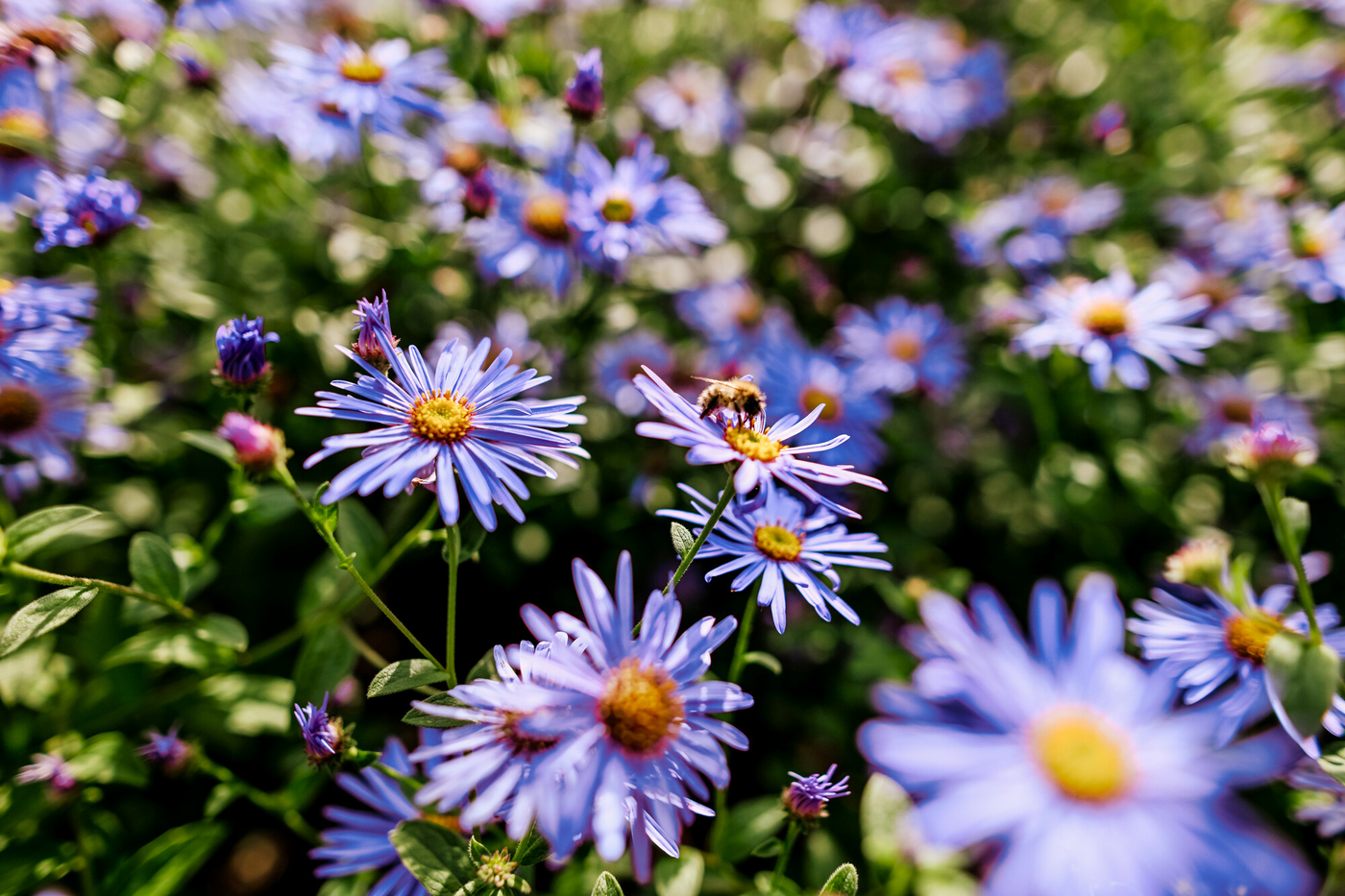 Greenwich Park
-
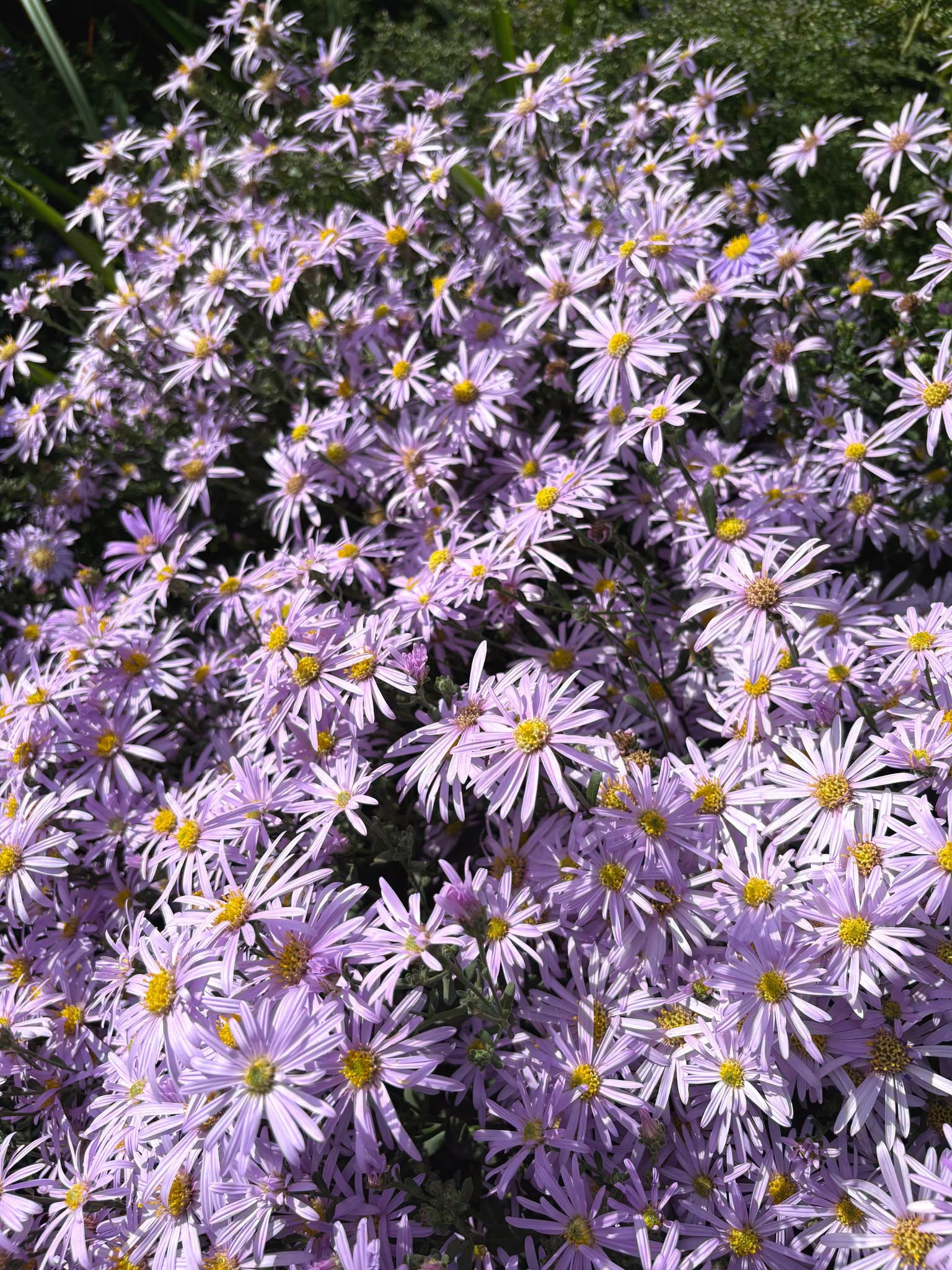 Hyde Park
-
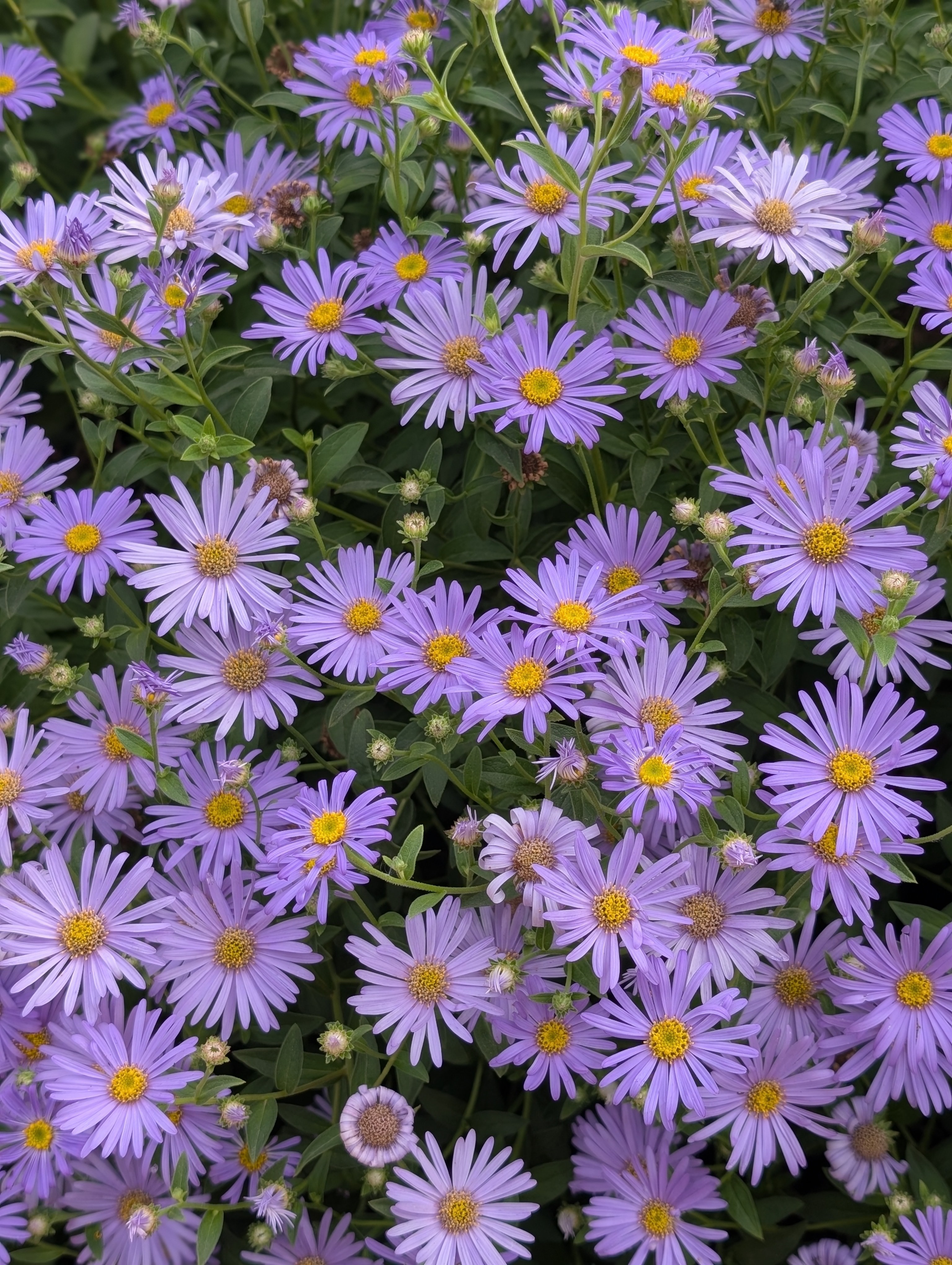 Greenwich Park
Autumn's lost tradition of 'nutting'
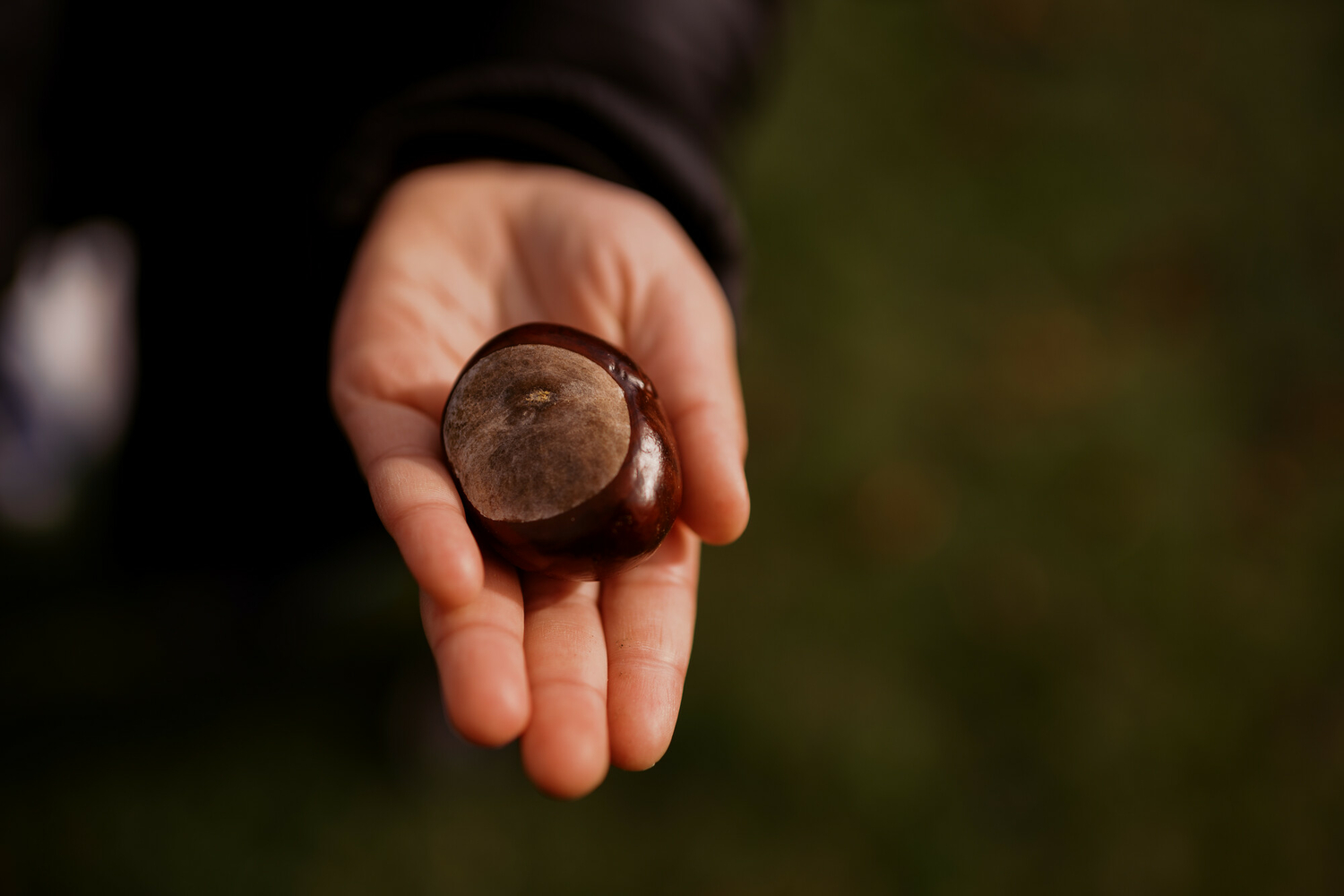
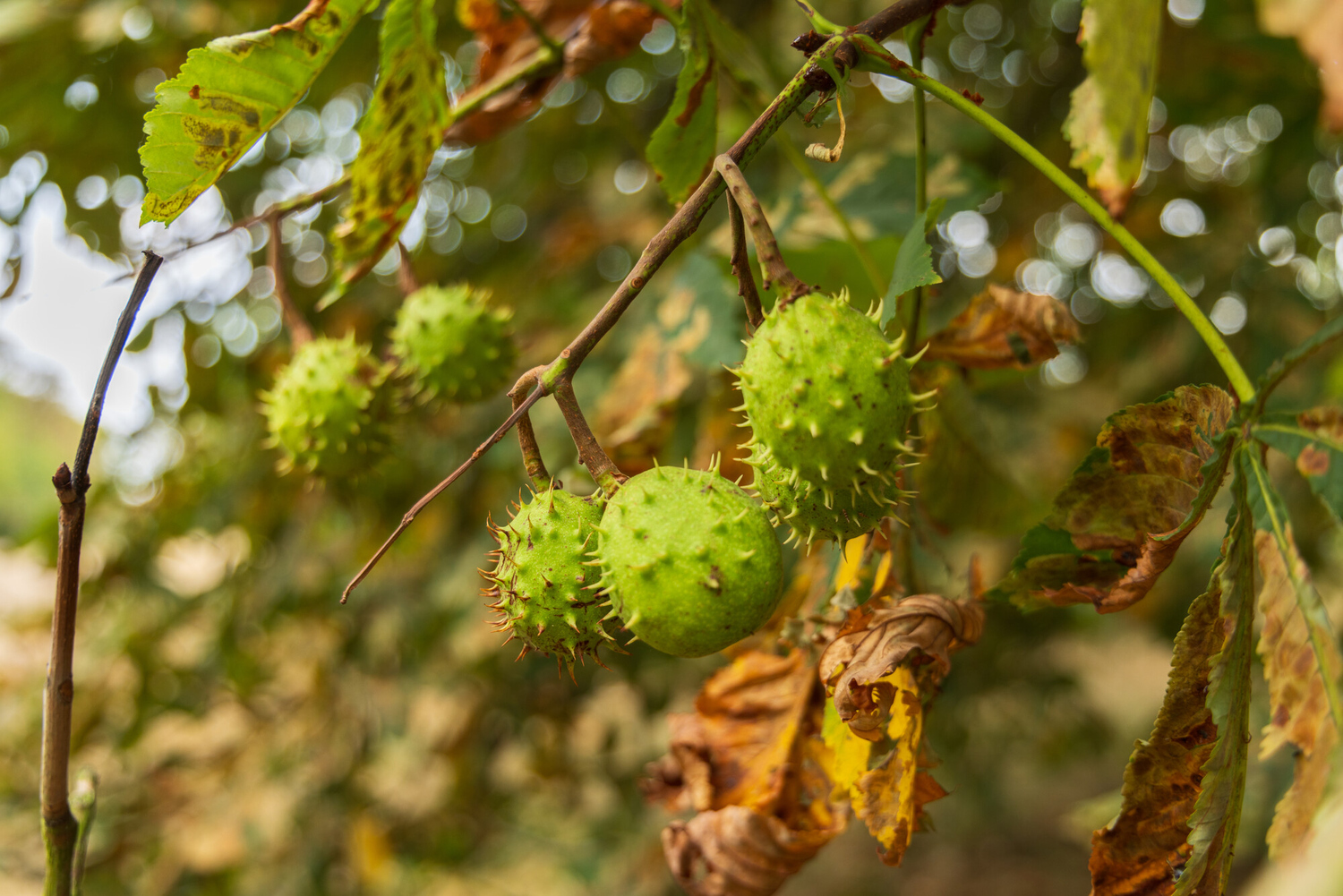
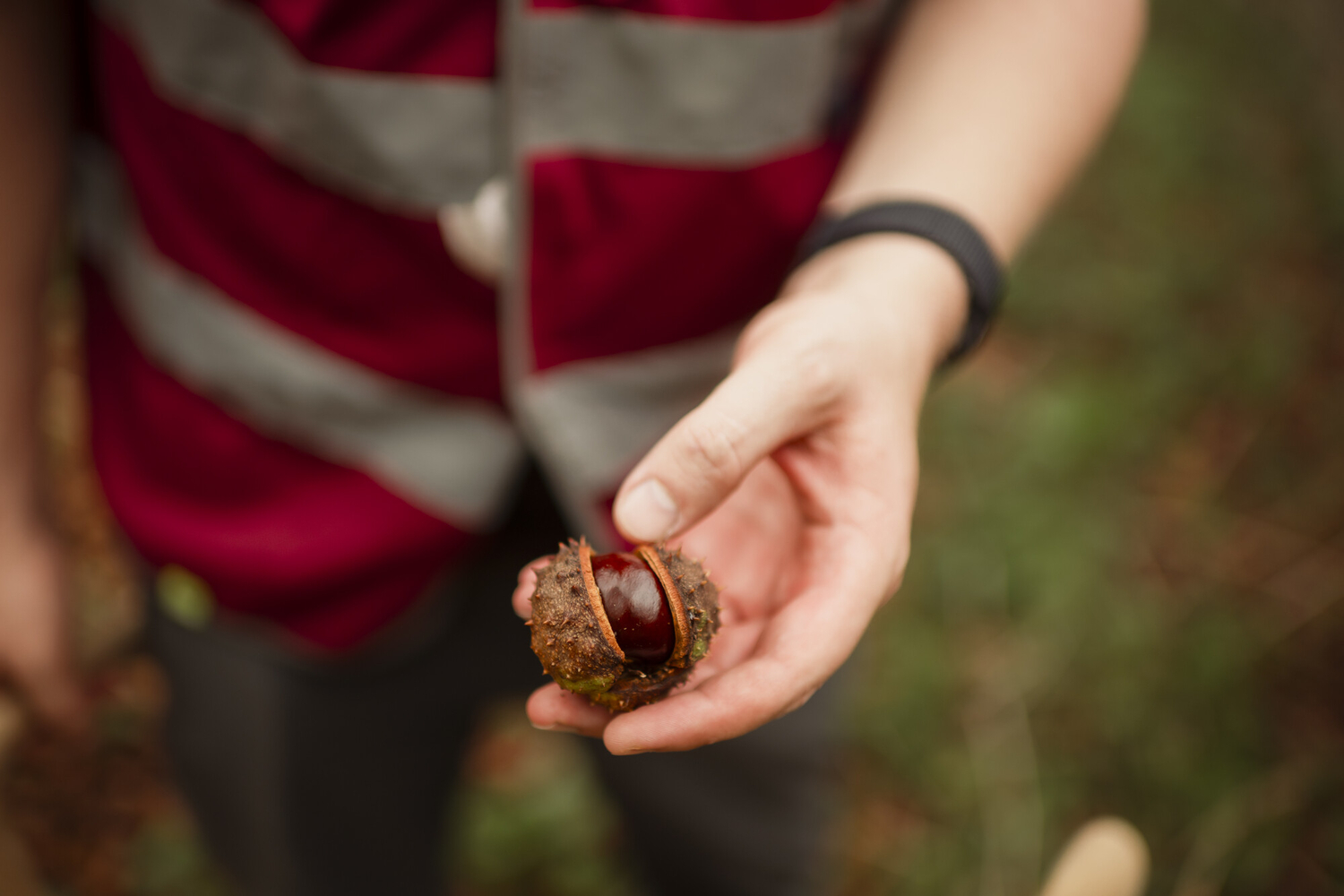
Superstitions played a significant role in the folklore surrounding ‘nutting’, the traditional practice of gathering ripe nuts, particularly hazelnuts and chestnuts, from woodlands and hedgerows. According to old tales, the finest nuts had to be collected before Devil’s Nutting Day on 21 September, when evil forces were said to wander the countryside and claim those left behind. Modern-day foragers may be more concerned about squirrels, who'd be happily make short work of an untouched chestnut tree!
Once baskets had been filled, people would celebrate a successful nutting season by preparing a range of autumnal dishes. While modern hazelnut treats might include chocolate spreads or syrup-flavoured coffees, these would have been unknown to previous generations. Instead, nuts were used in hearty recipes such as pies, tarts, breads, soups and stews, helping to create simple, nourishing meals that kept families fed and warm throughout the cooler months.
Harvest time was an important part of the annual calendar for past generations. Today, with rising interest in home-grown produce in gardens and allotments, the harvest season remains a rewarding time for gardeners. The Royal Parks has a significant history of harvesting, and you can find out more about the orchards and allotments within the parks that still stand today. You can also try our very own recipe, which brings together produce inspired by each park and green space to create a classic autumn dish.
While the tradition of 'nutting' has largely disappeared, foraging is not permitted in the Royal Parks because nuts and other natural resources provide an important food source for wildlife over winter.


Victorians' autumnal fascination with fungi
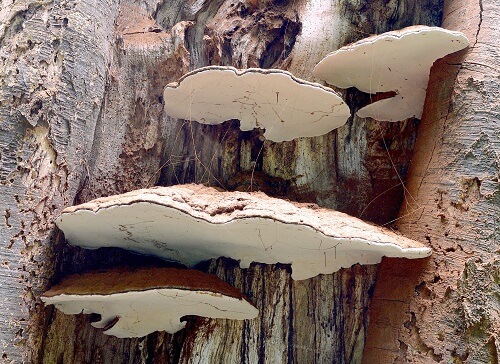
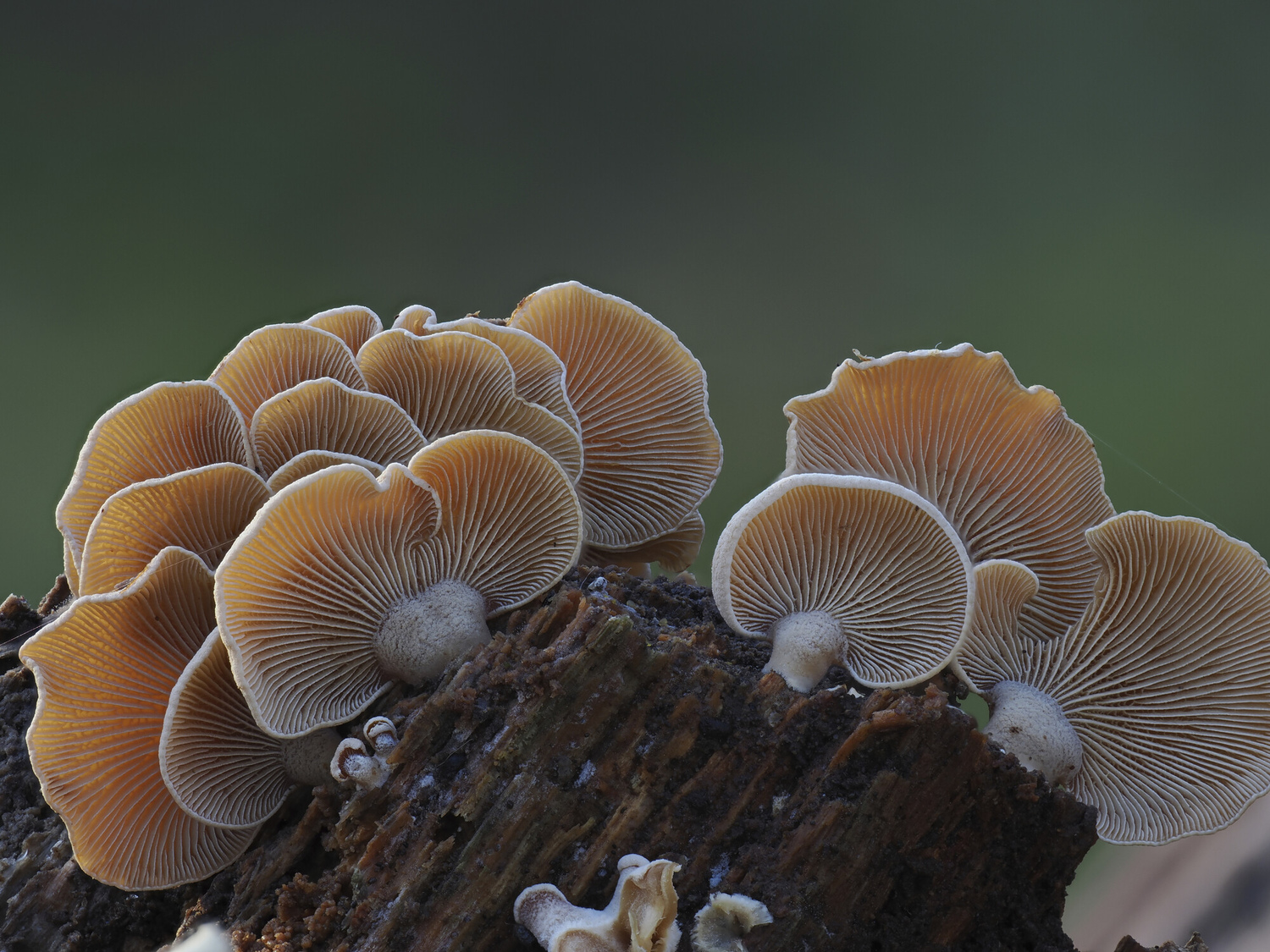
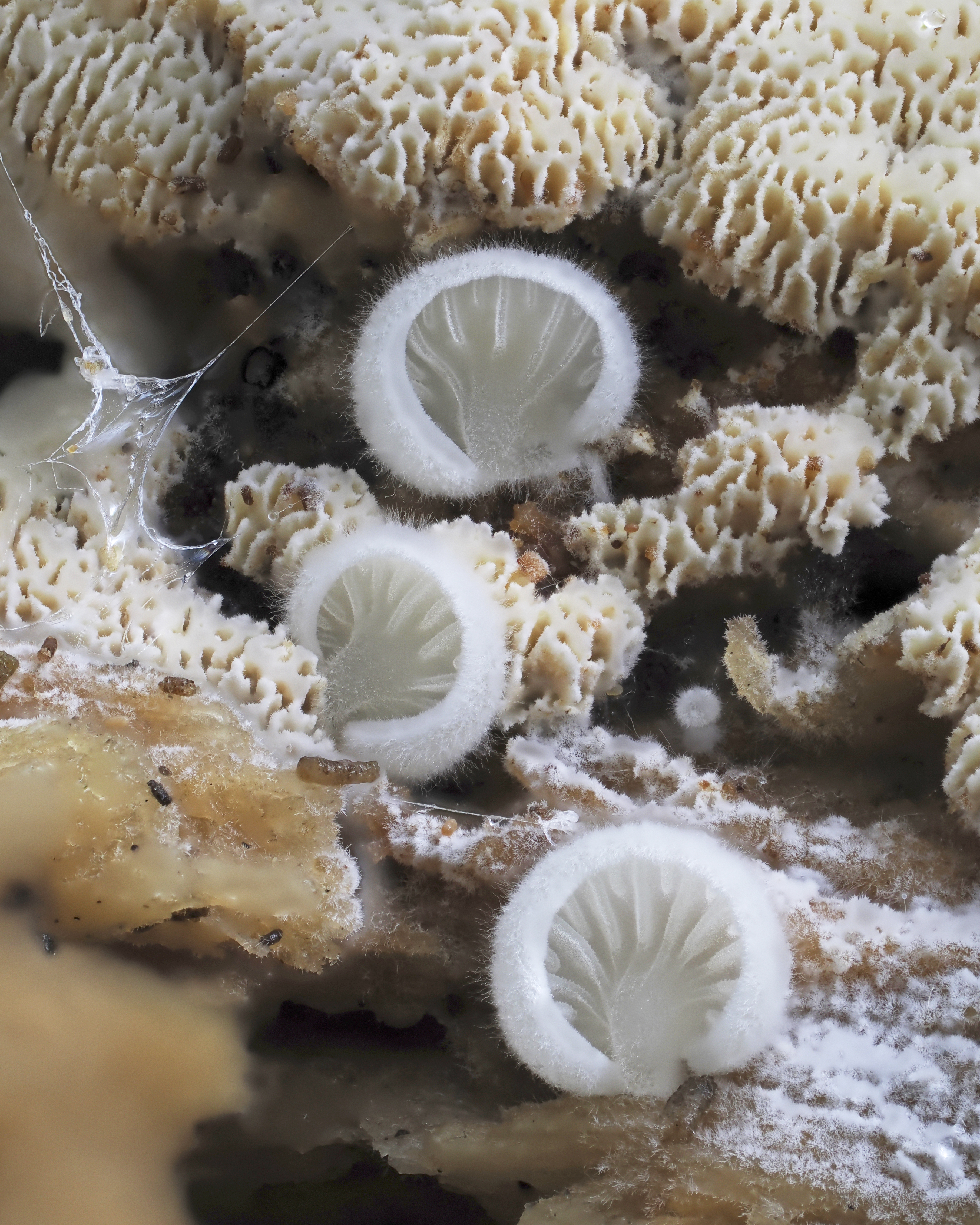
Autumn provides the perfect conditions for fungi to emerge and thrive, transforming parkland and woodland across the UK into a hidden world of curious shapes, colours, and textures. Today, fungi are enjoying a revival amongst nature enthusiasts, but the Victorians were equally captivated by these mysterious organisms.
When thinking of fungi most people think of only mushrooms, but this fascinating group of organisms also includes yeasts, smuts, mildews and moulds. They are a vital part of many habitats, performing roles in decomposition of organic matter and delivering nutrients for plant growth.
The Victorian era saw an explosion of interest in the natural world. Advances in science, greater access to green spaces and a growing enthusiasm for collecting and cataloguing species encouraged people to look more closely at the plants, animals and fungi around them.
Mycology, the study of fungi, was a field in which Victorian women played a key role in research, documentation, and scientific illustration. Despite often being excluded from formal training and professional networks due to their gender, this did not stop pioneers like Anna Maria Hussey and Elizabeth Banning from making some of the most groundbreaking and fascinating contributions to the field. Beatrix Potter, famous for her children’s stories, was also a key contributor, producing hundreds of scientific illustrations of fungi and was one of the first in England to cultivate them from spores. These valuable contributions were largely ignored by the established scientific community at the time as studying fungi was considered decidedly unladylike.
Alongside important scientific contributions, fungi also occupied a special place in the Victorian imagination. Mushrooms appeared frequently in fairy tales, folklore and art, symbolising mystery, magic and the boundary between the real and supernatural worlds. Fairy rings, toadstools and woodland fungi became recurring themes in Victorian paintings and literature as their other worldly appearance and texture made them the perfect symbol of mystery.
Hyde Park, Kensington Gardens, Richmond Park and Bushy Park continue to support a rich variety of fungi species. At The Royal Parks charity our conservation and Help Nature Thrive teams regularly carry out surveys and citizen science projects to record and better understand this over-looked world.
This autumn, discover which fungi you are with our interactive quiz and when you’re exploring the parks take a moment to look beneath the trees and among the fallen leaves. You might find yourself sharing the same sense of discovery that captivated Victorian imaginations hundreds of years ago.


Autumn mists and the season of the gothic
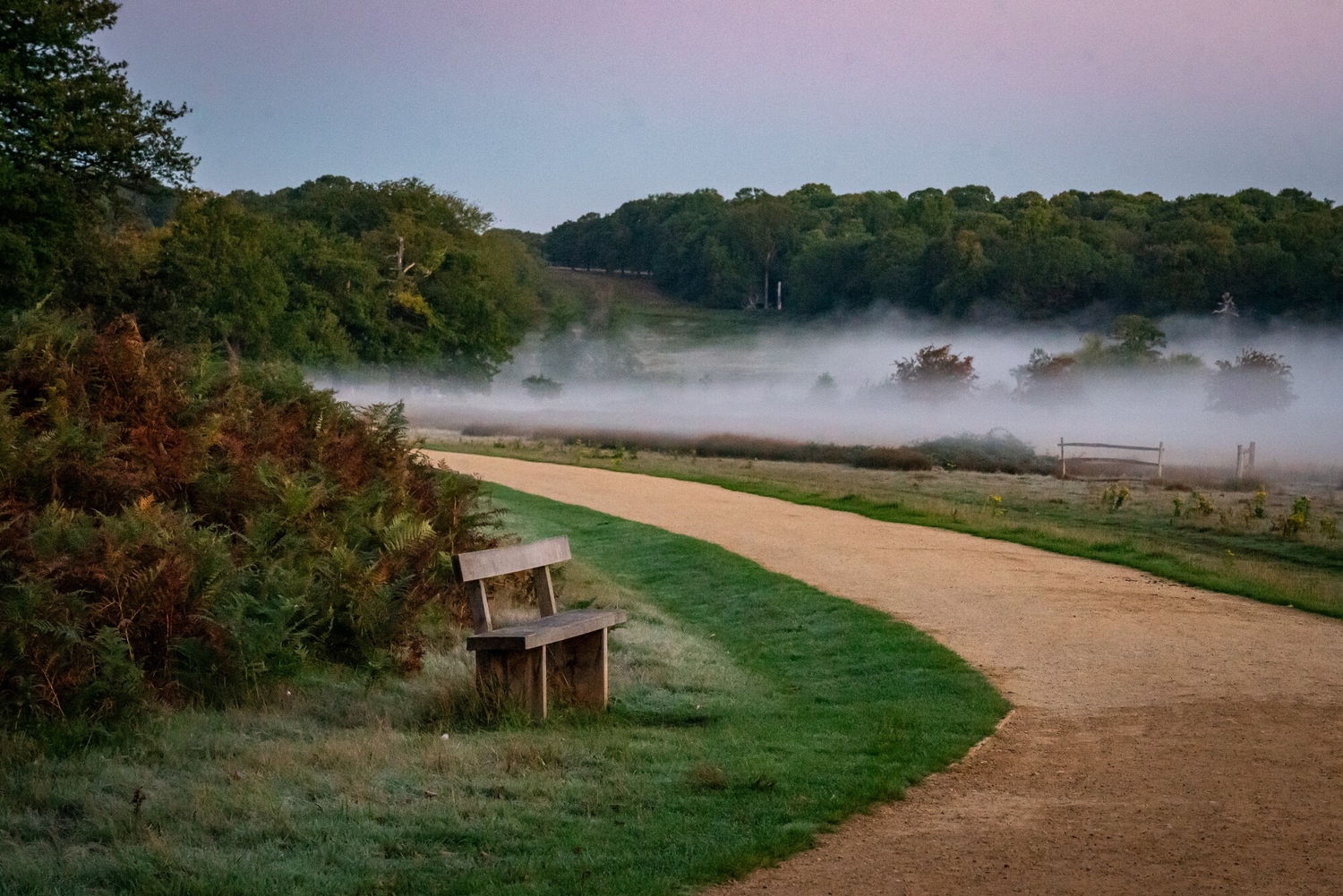
Misty weather is common in autumn months, and forms when moist, mild air low to the ground cools quickly. Tiny lightweight water droplets cause light to be reflected off in different directions, resulting in the whitish veil and the gothic feeling that we associate with fog and mist.
While originally a term used to describe art and architecture of the medieval period, ‘gothic’ later evolved into a literary genre. With origins in the 18th century, gothic literature is characterised by mystery, mortality and the metaphysical, often exploring the darker and more unsettling aspects of human experience. Famous examples include Horace Walpole’s The Castle of Otranto (1764) and Mary Shelley’s Frankenstein (1818). In stories like these, the fogs and mists of autumn became hallmarks of the gothic imagination, symbolising both literal and metaphorical uncertainty while concealing the unknown beyond.
And it’s not just fog and mists that evoke gothic feelings. Many features commonly associated with autumn have frequently appeared in gothic literature.
- Falling leaves act as reminders of the passing of time and the natural cycle of life and death
- Twilight and shortening days blur the boundary between light and darkness, creating a feeling of uncertainty
- Bare and twisted trees take on skeletal forms, transforming familiar landscapes into something more unsettling
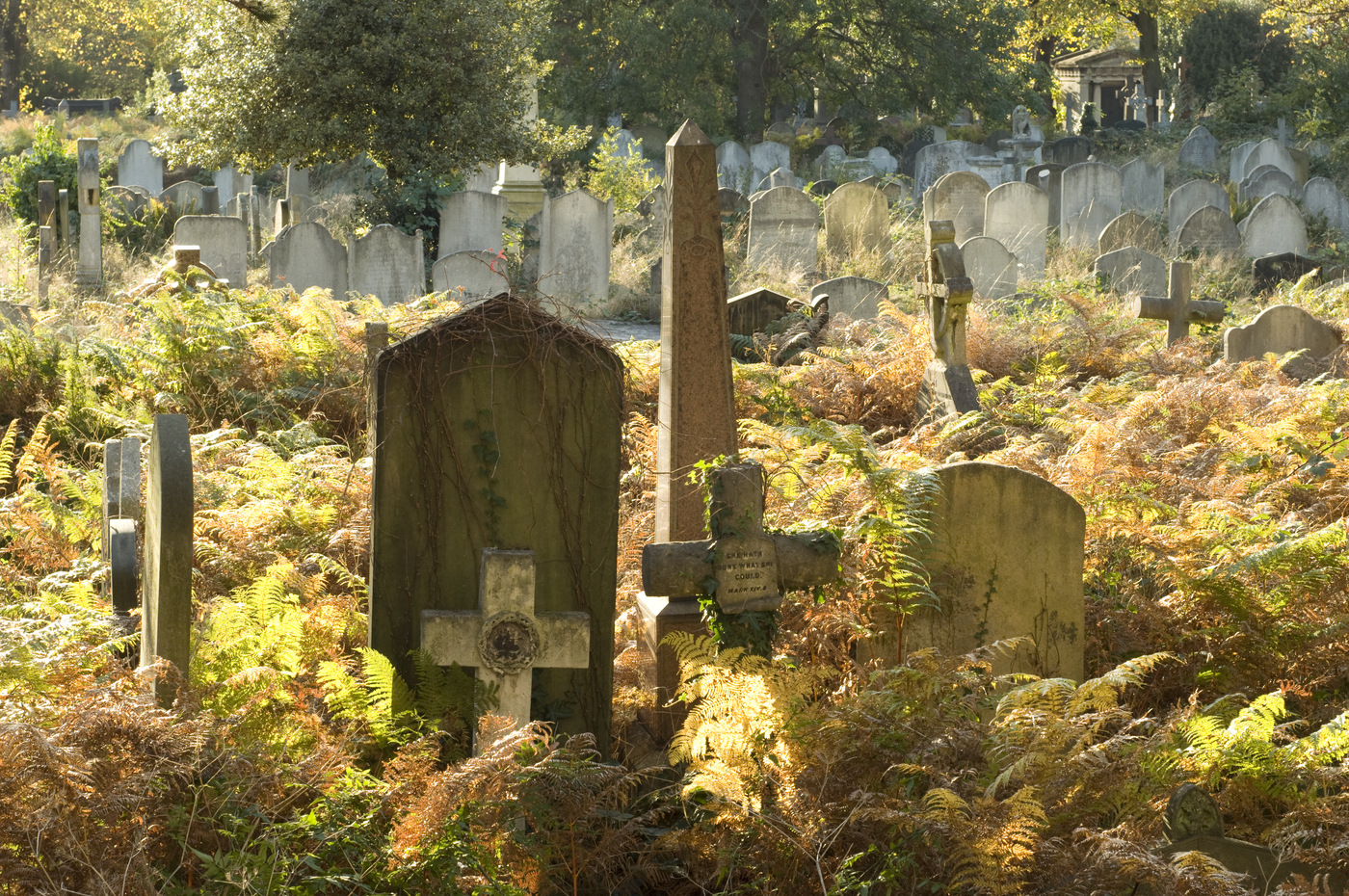
- Cemeteries and churchyards encourage reflection on mortality and remembrance, with Brompton Cemetery embodying many classic gothic themes
- Ghosts and ghouls reflect the gothic fascination with the supernatural, with the Royal Parks providing the setting for a number of ghostly tales and folklore
- Stormy skies, strong winds and gathering clouds bring drama and foreboding to the changing season
- Even bat activity, from autumn swarming to the intense feeding period known as hyperphagia, contributes to the sense of hidden lives emerging as darkness falls.
If you're keen to live your gothic fantasy of viewing atmospheric foggy landscapes, several locations across the Royal Parks are particularly prone to misty mornings:
- Brompton Cemetery: throughout the cemetery, surrounding historic headstones and monuments
- Hyde Park: the Tyburn Valley north-east of the Hyde Park Nursery, and the Parade Ground during low-wind conditions
- Kensington Gardens: the Italian Gardens, the Long Water, and Buck Hill
- The Regent’s Park: Cumberland Green, around The Hub, and Gloucester Green
- Richmond Park: Beverley Brook near Roehampton Gate, Pen Ponds, and Sawyer’s Hill between Richmond Gate and Pen Ponds.
If fog isn’t your thing, discover the fascinating world of bats and where to find them in the Royal Parks.


-
 Richmond Park
-
 Brompton Cemetery
-
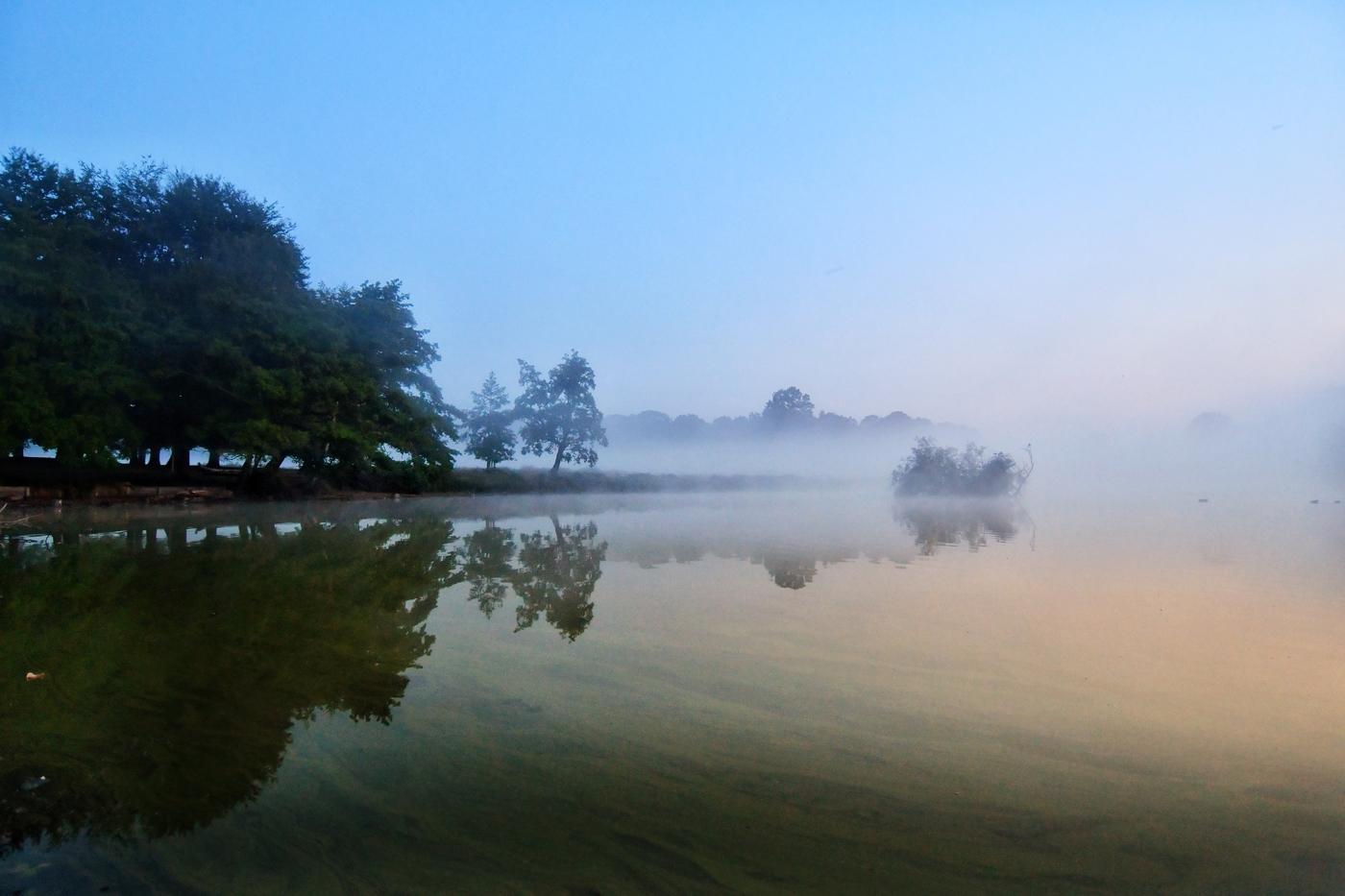 Richmond Park
The autumn deer rut through history
Richmond Park and Bushy Park are home to both red and fallow deer, which play an important role in the parks’ histories and ecosystems. Red and fallow deer have roamed in Richmond Park since the 17th century, when they were introduced by Charles I, and red deer were introduced to Bushy Park following the Second World War.
The deer mating season, also known as the rut, takes place from late September to early November, when the red stags and fallow bucks compete for females. The large males roar, bark and clash antlers to fight off rivals and attract as many potential mates as possible. This spectacle has echoed across these landscapes for centuries.
The rut is not just fascinating to watch, it’s a genetic filter. Dominant males often produce most of the offspring, reinforcing traits such as antler size, body condition, and behavioural dominance. Historically, the thunderous calls of rutting stags inspired stories, superstitions and folklore. In medieval folklore, hearing a stag’s call was considered significant, as people believed it was a sign that winter was just around the corner.
Deer were often seen as creatures that moved between the natural and supernatural worlds and the antlers that shed, and regrow each year, made them a powerful symbol of renewal.
Today, the rut remains one of the most spectacular wildlife events in London’s parks and the deer of the Royal Parks are not only part of the capital’s wildlife heritage, but also living links to the past, present and future of wildlife in London. If you’re planning to visit Richmond Park or Bushy Park this autumn, then we’d like to remind you to be extra vigilant and stay well away from the deer as there will be significant changes in their behaviour which can pose increased risk of injury to visitors. Dog owners are also asked to please always keep their dog on a lead or walk them elsewhere during this time.


-
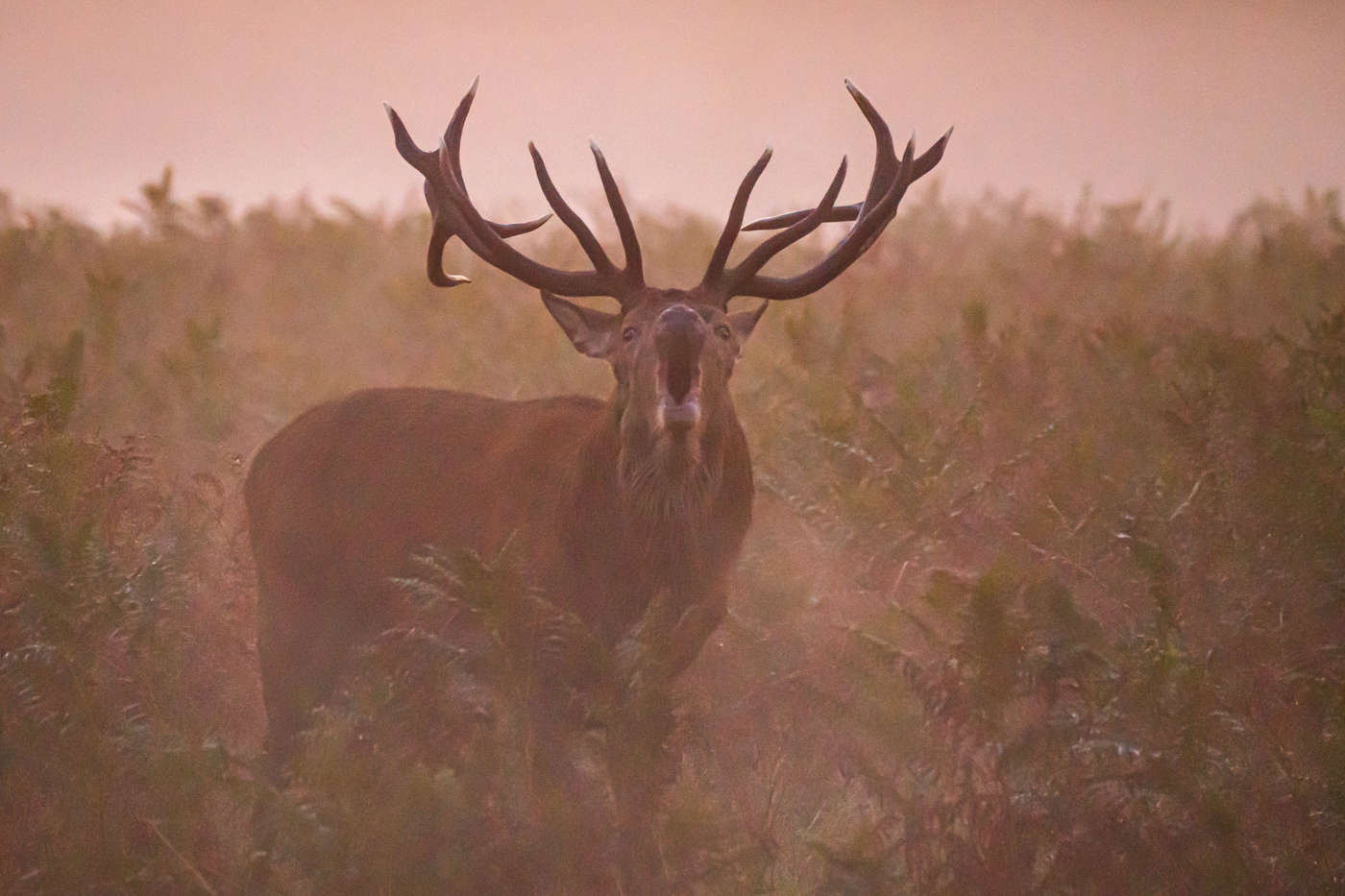 Bushy Park
-
 Bushy Park
-
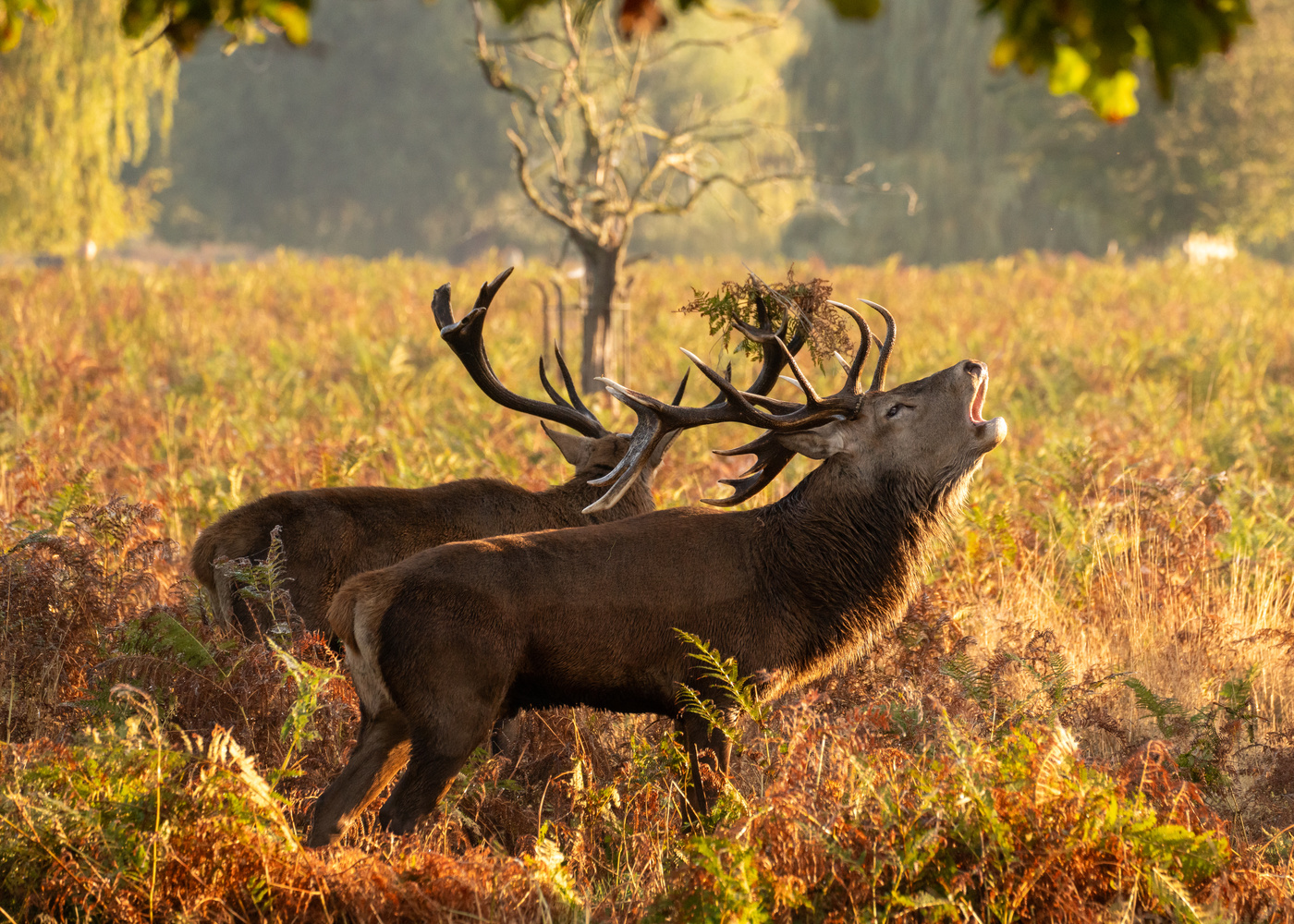 Bushy Park
Autumn through artists' eyes
Artists through history have sought to capture the changing colours, shifting light and seasonal atmosphere that transform landscapes at this time of year, and the Royal Parks have proved a particular source of inspiration.
Few artists captured the character of autumn in the Royal Parks more directly than Paul Fordyce Maitland, who painted several scenes in and around Kensington Gardens. His works Autumn, Kensington Gardens (1906), Fall of the Leaves, Kensington Gardens (1900) and By Hyde Park Gate, Kensington Gardens (1906) all reflect the quieter mood of the season, when leaves begin to turn and fall, daylight softens and the landscape takes on a more reflective character. Through muted colours and atmospheric compositions, Maitland's paintings capture a sense of transition, preserving fleeting moments in the park as summer gives way to autumn.
J. M. W. Turner, often described as the 'painter of light', also found inspiration in the Royal Parks. His painting from 1809 London from Greenwich Park looks out from the heights of One Tree Hill across the Thames towards the City of London, with deer grazing in the foreground and the capital fading into the distance. Although not painted specifically as an autumn scene, the hazy atmosphere, subdued light and expansive landscape evoke many of the qualities that people associate with the season today: reflection, change and a connection to the natural world.
The view that inspired Turner continues to attract artists and visitors alike. You can discover more about his connection to the park, along with other notable artists who drew inspiration from its landscapes, in our article on famous artists at Greenwich Park.
Whether capturing golden foliage, falling leaves or atmospheric views across the capital, these artists remind us that autumn has long been a season of beauty, inspiration and reflection in the Royal Parks, and will continue to inspire generations of artists to come.

-
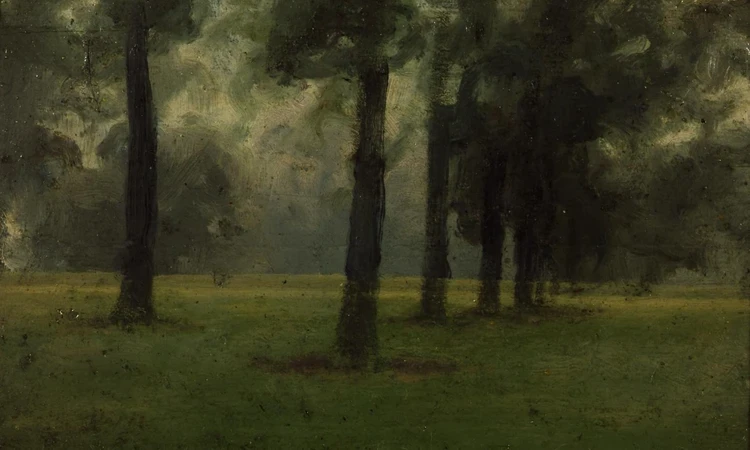 'Autumn, Kensington Gardens' by Paul Fordyce Maitland, c.1906 [P. M. Maitland, Public domain, via Wikimedia Commons]
-
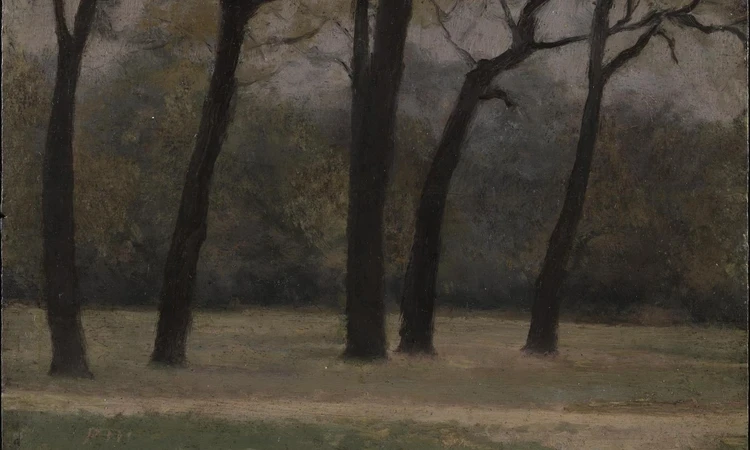 'Fall of the Leaves, Kensington Gardens' by Paul Fordyce Maitland, c.1900 [P. M. Maitland, Public domain, via Wikimedia Commons]
-
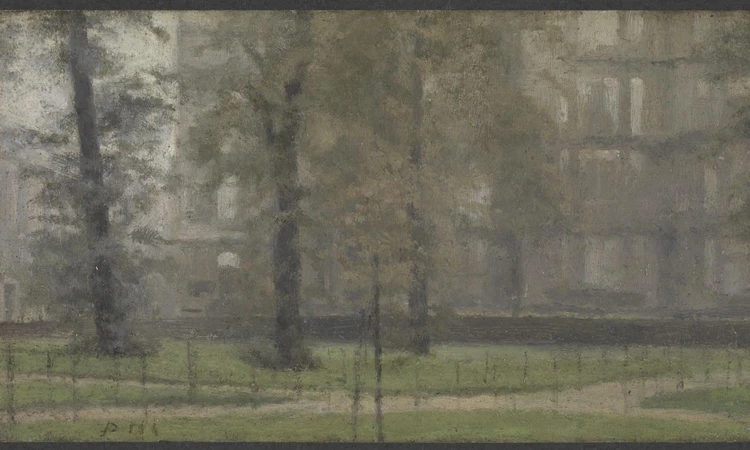 'By Hyde Park Gate, Kensington Gardens' by Paul Fordyce Maitland, c.1906 [P. F. Maitland, Public domain, via Wikimedia Commons]


-
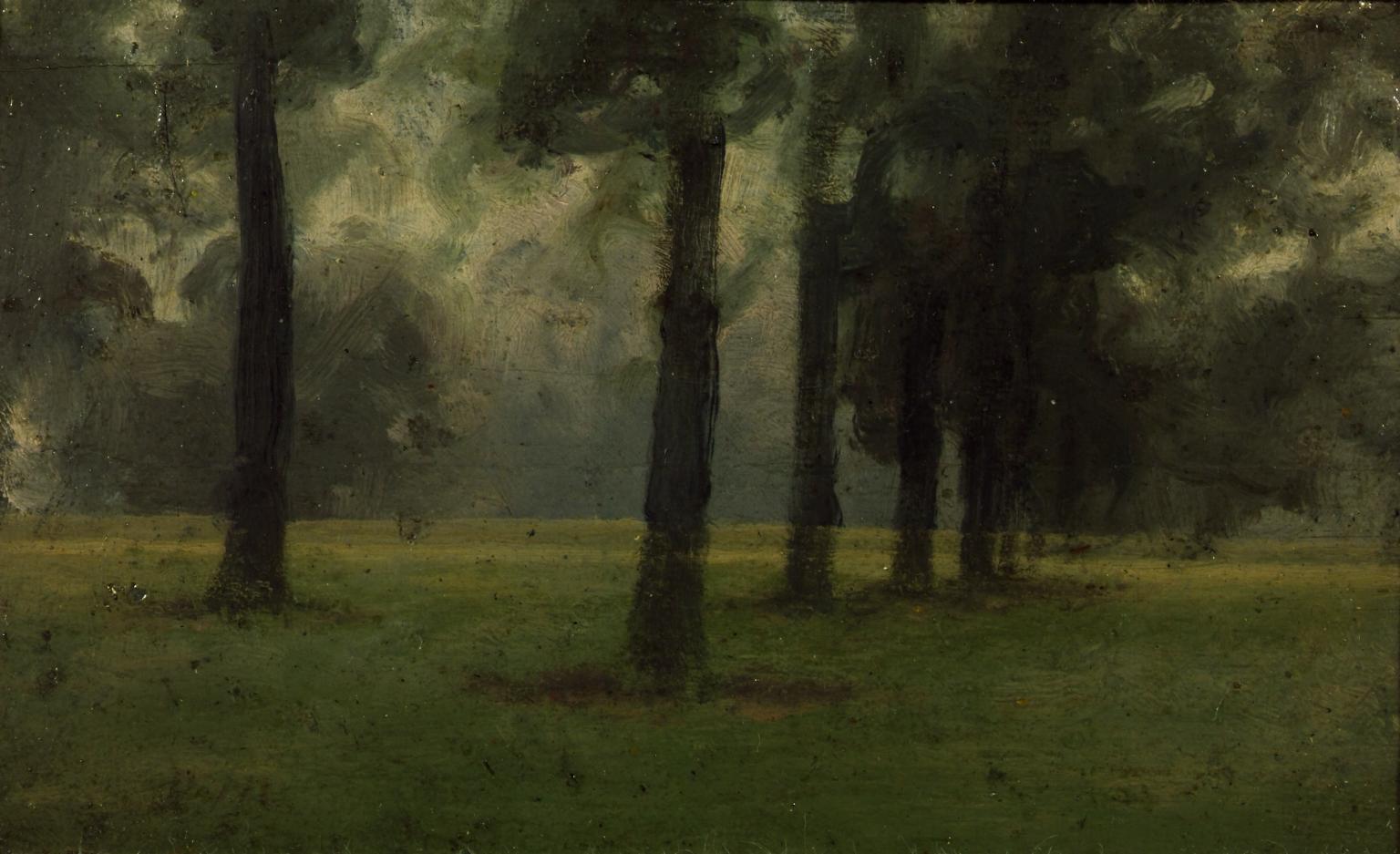 'Autumn, Kensington Gardens' by Paul Fordyce Maitland, c.1906 [P. M. Maitland, Public domain, via Wikimedia Commons] © Tate, London
-
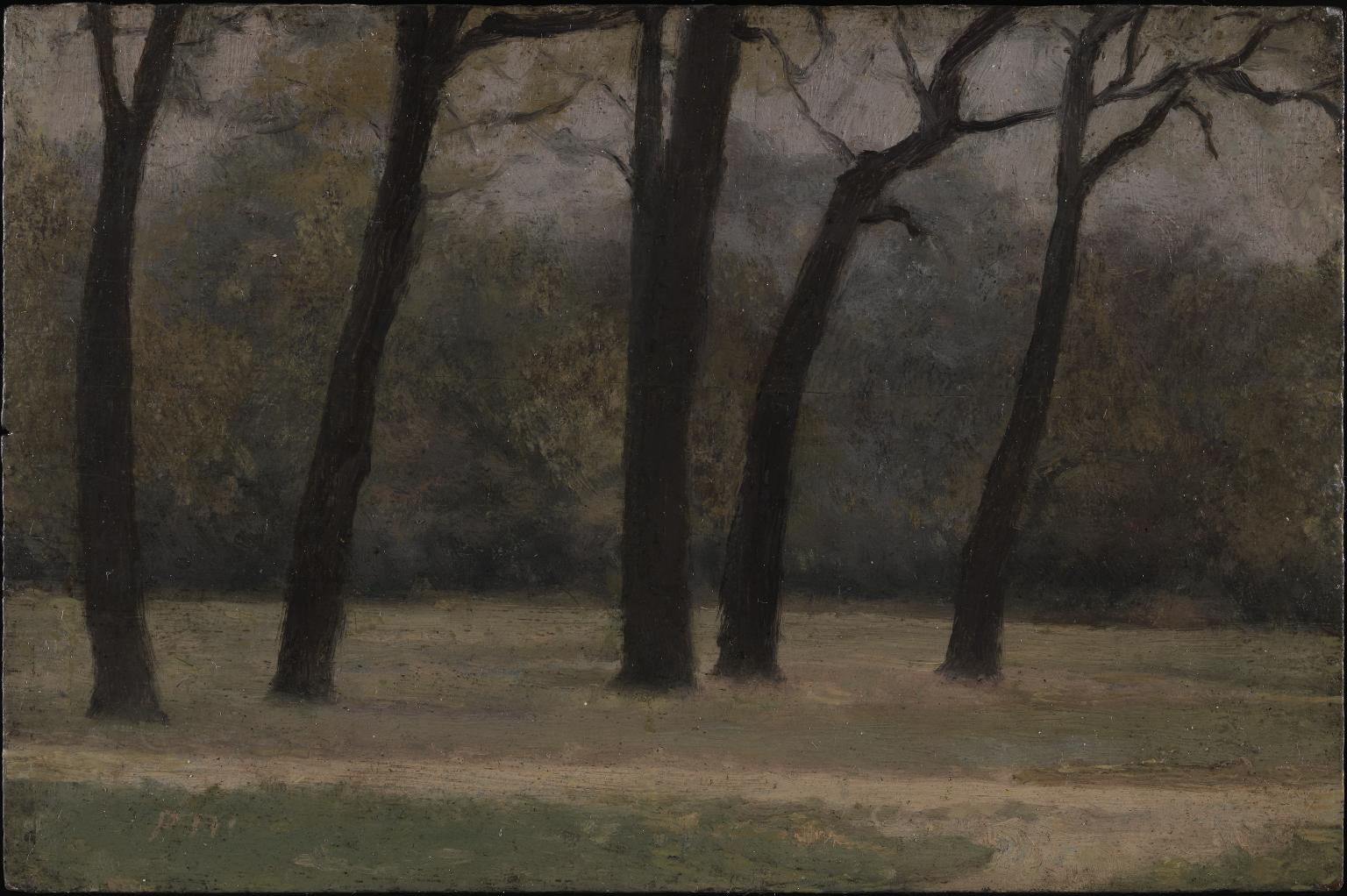 'Fall of the Leaves, Kensington Gardens' by Paul Fordyce Maitland, c.1900 [P. M. Maitland, Public domain, via Wikimedia Commons] © Tate, London
-
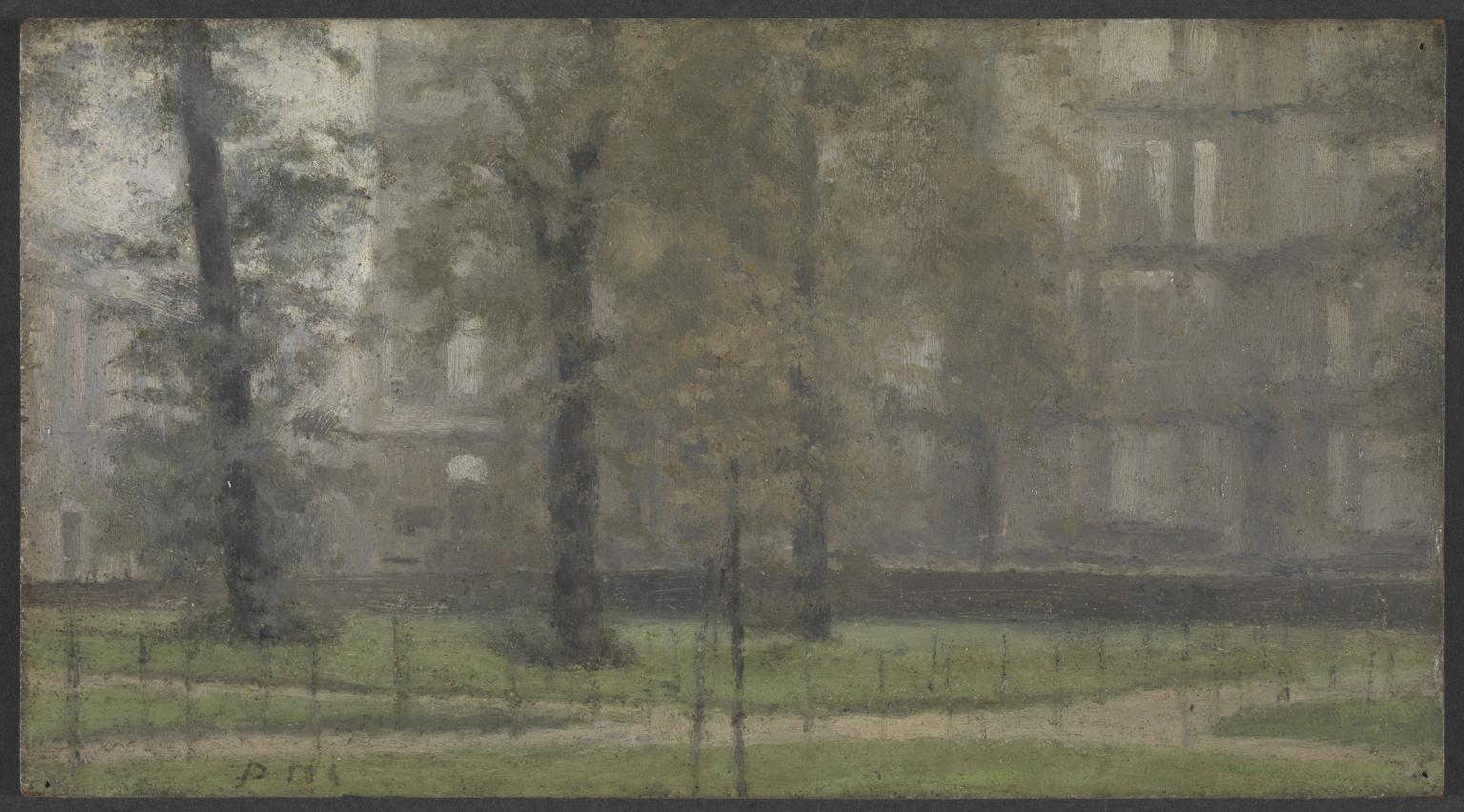 'By Hyde Park Gate, Kensington Gardens' by Paul Fordyce Maitland, c.1906 [P. F. Maitland, Public domain, via Wikimedia Commons] © Tate, London
Why autumn still captivates us
Autumn has changed significantly since the days of Michaelmas feasts, woodland nutting and Victorian fungi-hunting expeditions, yet its appeal remains remarkably constant. Across the Royal Parks, the season continues to offer many of the same experiences that fascinated earlier generations: spectacular colours, shifting light, atmospheric mist, abundant wildlife and a powerful sense of seasonal change. Whether admiring early-morning fog drifting across parkland, discovering seasonal wildlife, or simply taking a quiet walk beneath falling leaves, autumn invites us to slow down, look more closely and reconnect with nature.
In 2026, that connection feels more important than ever. The changing season offers an opportunity to pause, reflect and experience nature at its most dramatic. The Royal Parks offer countless ways to make the most of autumn. Explore our guide to the top things to do this autumn in the Royal Parks and discover for yourself why this extraordinary season, that has captivated people for centuries, continues to do so today.

Related Articles
-
 Read
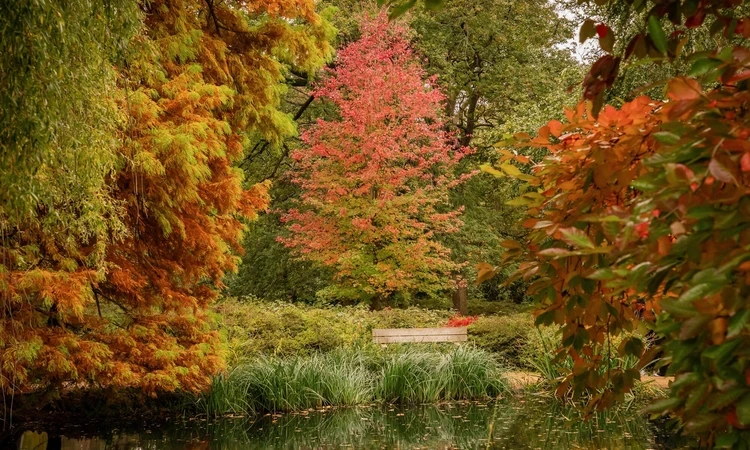
Top things to do in the Royal Parks this autumn
Discover the best things to do in London's Royal Parks this autumn including Halloween events, creative workshops and stunning seasonal walks.
-
 Read
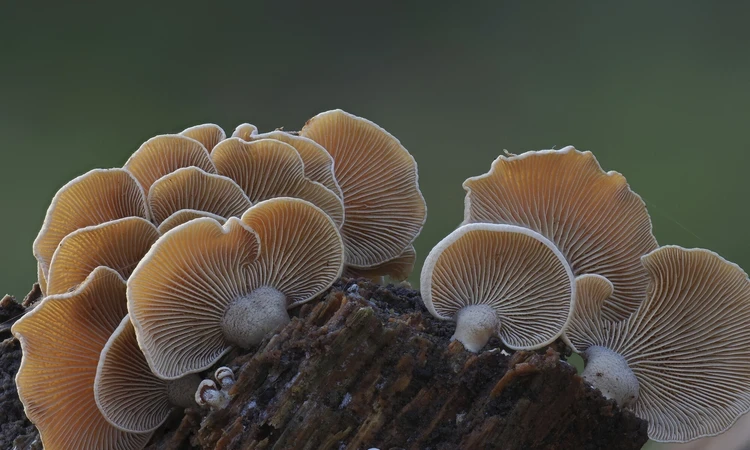
Quick Quiz: Which fungi are you?
Take our interactive fungi quiz and discover your woodland alter ego.
-
 Read
Ghosts of the Royal Parks
Tales from the archives of a few of the ghosts people have reported seeing in London's Royal Parks.