
Calling all budding bee spotters: The Queen Bees need you!
The Royal Parks charity has put out a call to all visitors to help capture the first sightings of the Queen Bumblebees, which are expected to come out of hibernation weeks earlier than normal due to climate change.
Between 21 February and 1 March, The Royal Parks is asking its park visitors to take a clear photo of any bee they see and submit them online, noting the name of the Royal Park they were spotted in. Wildlife experts will then identify the species and confirm if the photo is of a Queen Bumblebee.
The Royal Parks monitors the arrival of the Queen Bumblebees, which are bigger and fluffier than regular bees, to ensure the parks are nectar rich. The information is used to shape planting species choices for the following year. Queen Bumblebees typically emerge in spring towards the end of March with their waking signalled by a rise in temperature. A waking Queen Bee will have used up all her nectar stores surviving the winter and will immediately fly the nest seeking nectar rich flowers to get her through spring. Unfortunately, in late February, many flowers won’t have bloomed which is why it is vital to know when she is emerging.
Last winter, over 65,000 early spring bulbs were planted by volunteers ready for the Queens’ arrival and The Royal Parks is once again turning to the public to enlist as many eyes on the ground as possible to capture their emergence.
Alister Hayes Head of Programmes, Volunteering and Conservation at The Royal Parks, said:
“Bee conservation is vital, but the Queen Bumblebee is particularly important as she is responsible for building a colony of around 400 bumblebees a year. Our dedicated biodiversity team have already spotted Queen Bumblebees in January. This is incredibly early. If temperatures continue to rise, then we need to adapt to ensure our planting arrangements can support the wildlife in our parks. We’d welcome as many pictures as possible but please remember not to disturb the bees in the process.”
The Royal Parks has introduced a team dedicated to conservation and education through similar citizen science opportunities. The ‘Help Nature Thrive’ team is made possible thanks to players of People’s Postcode Lottery.
Make a beeline to the Royal Parks website: www.royalparks.org.uk/queenbees
Further reading
-
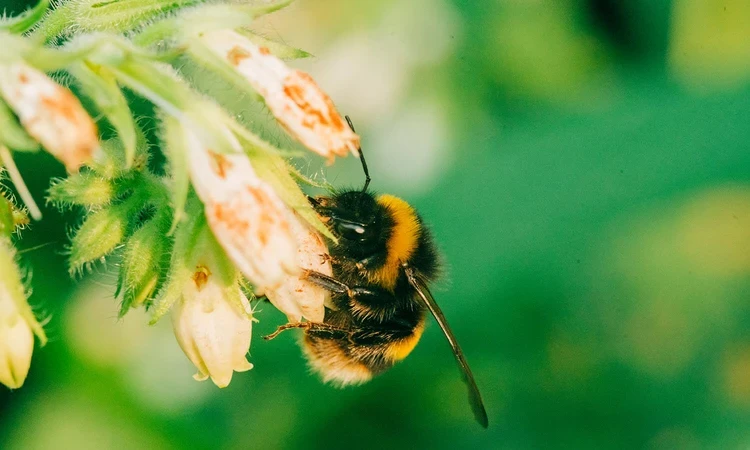
The Queen bees need you!
Discover how to support queen bumblebees and learn about their nesting habits and diet. Explore how Royal Parks initiatives aid bumblebee conservation.
-

How The Royal Parks helps nature thrive
How The Royal Parks helps nature thrive


Related Articles
-
 Read
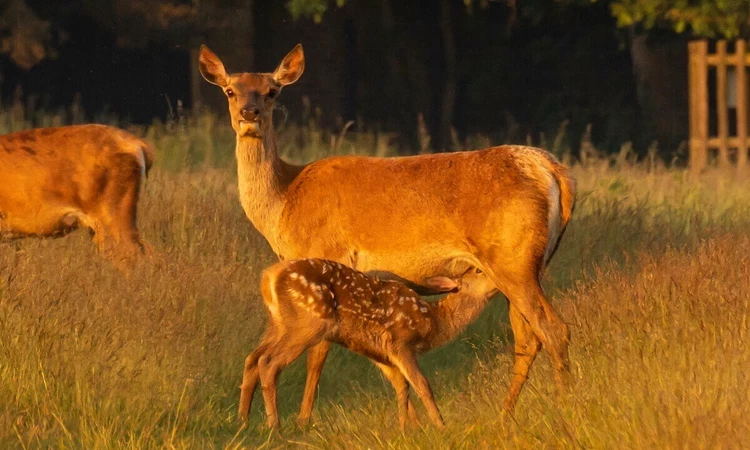
Read‘Dogs on leads’ to be compulsory during deer birthing season
From Monday 18 May until Monday 6 July, dogs will be required to be on a lead in all areas of Richmond and Bushy Parks.
-
 Read
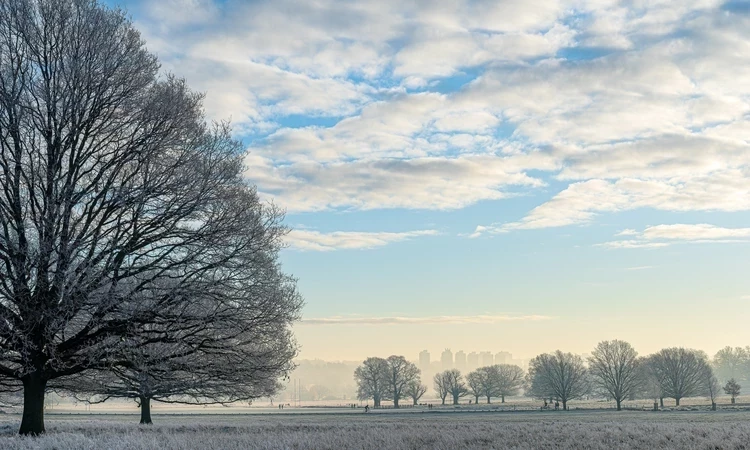
ReadThe Royal Parks in photos - January
We look back at January in the Royal Parks through some of the best photos, past and present.
-
 Read
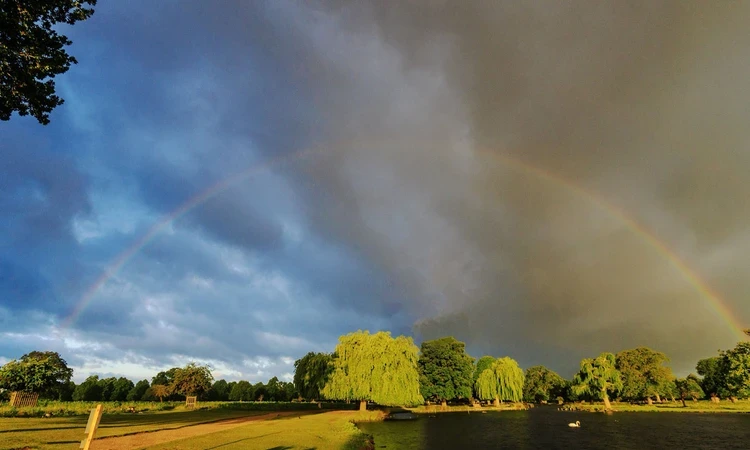
ReadThe Royal Parks in photos - May
We look back at May through some of our favourite photos, past and present.


