
The lasting impact of summer heatwaves on trees
As winter approaches and the last autumn leaves fall across London’s Royal Parks, the heat of summer may feel like a distant memory. But for many of the parks’ trees, the effects of those hot, dry months are still being felt.
From increasingly extreme heat and prolonged drought to warmer winters and unpredictable seasons, the changing climate is putting growing pressure on the trees that shape our much-loved landscapes.
As the charity caring for London’s Royal Parks, we’re adapting how we look after trees to help them thrive in a changing climate, both now and for generations to come.
Why the effects of summer heat linger
While temperatures have dropped, the impact of summer heatwaves doesn’t simply disappear. Prolonged dry spells can leave trees under stress, making them more vulnerable to pests and disease long after summer has ended.
“We’re seeing much less consistency in the seasons than we were ten years ago,” explains Greg Packman, Treescape Curator at The Royal Parks. “Winters are becoming warmer and wetter, while summers are hotter and drier. A lot of our rainfall now comes over winter, then it drops away from March onwards. That makes water storage and retention in the soil increasingly important, particularly as droughts become longer and more intense.”
London’s urban environment adds another layer of pressure. The city’s built-up landscape creates a warmer microclimate, while compacted soils, affected by high visitor footfall, can make it harder for tree roots to access the water and nutrients they need.

When nature’s seasons become confused
Have you ever spotted a tree flowering at an unexpected time of year?
Warmer temperatures and increasingly unpredictable weather can disrupt the natural seasonal cycles that trees rely on. Greg has observed horse chestnut trees producing new leaves or flowers at unusual times of year, potentially responding to conditions that make them behave as though spring has arrived.
For some trees, the effects of a changing climate are already becoming more serious.
“We’ve lost birch and cherry trees, and we're seeing some oak trees struggling too,” says Greg. “Trees that are already under stress from a lack of water become much more vulnerable to disease.”

How we’re helping our trees adapt
Across the Royal Parks, our specialist teams are adapting how we care for trees and the landscapes around them, helping to build resilience to a changing climate.
Protecting the soil beneath existing trees is a vital part of this work, particularly where compaction threatens their roots. In Kensington Gardens, bramble management is being carefully designed around protecting trees and improving soil conditions. Rather than clearing bramble completely, it can be managed to help physically aerate the soil, while creating dead hedges from cut material provides habitat and structure for wildlife. Volunteers have been helping manage bramble beneath trees, including veteran trees, with the bramble then allowed to scramble over these dead hedges.
One important part of this work starts beneath our feet. By using natural materials such as woodchip and compost as mulch, we can improve soil health and help retain moisture. Woodchip is also being used beneath veteran trees to protect the soil and root zones, while in some areas grass is being allowed to grow longer beneath the tree canopy, reducing the need for intensive management and helping protect the ground. We’re also exploring ways to reduce soil compaction and create better growing conditions for tree roots.
Looking further ahead, we’re reviewing the diversity of trees planted across the parks, considering species that can better tolerate future conditions, including extreme heat and drought, while protecting the biodiversity and character of these historic landscapes.
It’s about choosing the right tree for the right place, helping to create diverse and resilient treescapes that can withstand the challenges ahead.
These approaches form part of our Tree Vision 2026-2035, which sets out our long-term commitment to protecting existing trees, improving their growing conditions and establishing resilient treescapes for future generations.


Protecting trees for generations to come
From providing welcome shade on a hot summer’s day to creating homes for wildlife, cooling our city and helping to manage rainfall, trees are at the heart of what makes the Royal Parks so special.
This National Tree Week, as we enjoy the changing landscapes of the parks and the beauty of their winter treescapes, it’s also an opportunity to reflect on the importance of protecting them.
By adapting how we care for our trees today, we’re helping to ensure that future generations can enjoy all the benefits they bring.
Discover more about how we’re protecting London’s trees in our Tree Vision 2026–2035.

Related Articles
-
 Read
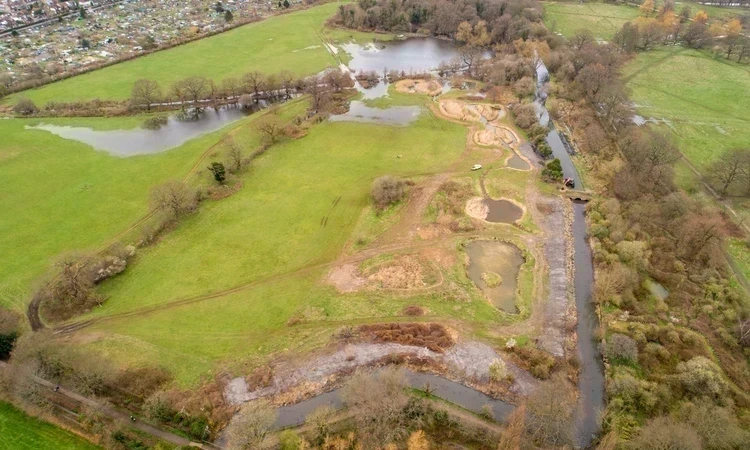
The Royal Parks in a changing climate
Climate change is having a profound effect on the natural environments and wildlife of the Royal Parks.
-
 Read
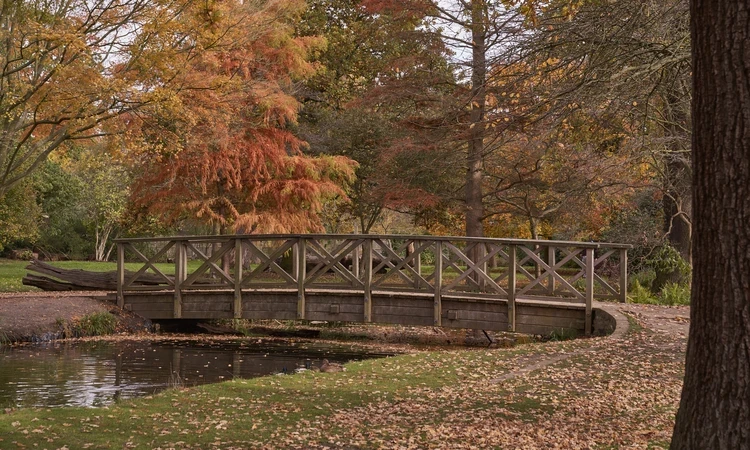
Best trees to see this autumn in London’s Royal Parks
Autumn has arrived in the Royal Parks and we've put together a list of the best trees to see this season.
-
 Read
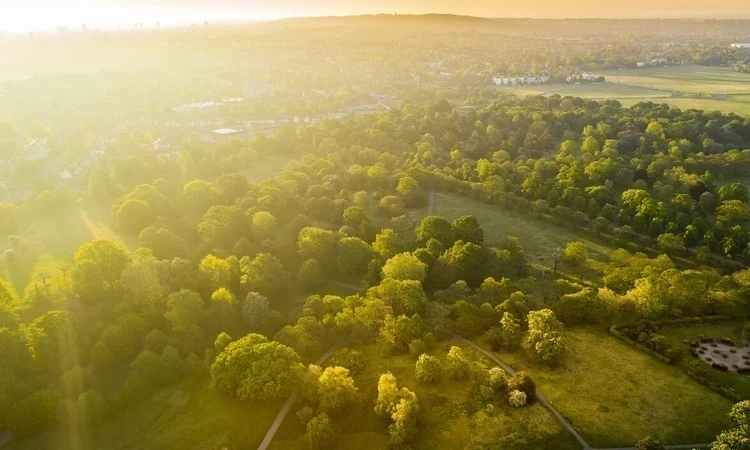
Discover the trees of the Royal Parks
The 170,000 mature trees, young trees and shrubs within the Royal Parks are London’s living history. Use this guide to explore this fascinating history.


