Spring Blooms in the Royal Parks
London's Royal Parks are beginning to stir with the first signs of spring. Longer days and soft birdsong set the scene as beautiful blooms emerge across the woodlands and gardens of the parks, bringing vibrancy and colour back to these beloved spaces. From spring favourites like bluebells and daffodils to lesser known wildflower species, spring is the perfect time to explore London's eight Royal Parks as you appreciate their quiet beauty.
Whether you're looking for a moment of seasonal inspiration, a peaceful walk, or hoping to capture the bloomin' beautiful blooms at their best, here are some of the top ones to look out for in the Royal Parks this season - including where to find them, their Latin botanical names, peak flowering times and a few fun facts along the way!
What starts blooming in January?
Snowdrops
Botanical name: Galanthus nivalis
Best in bloom: Late January – February
Where to find them: Hyde Park, Kensington Gardens, Green Park, and St. James’s Park
Fun fact: The name Galanthus comes from the Greek words for ‘milk’ and ‘flower’, referencing its pure white petals. These hardy blooms have a natural antifreeze in their cells, allowing them to survive frost and snow meaning they are incredibly valuable for early emerging bees. Snowdrops are a biodiversity boosting plant.


Hazel
Botanical name: Corylus avellana
Best in bloom: January – March
Where to find them: Richmond Park and Bushy Park
Fun fact: Hazel trees produce golden catkins, often referred to as ‘lamb’s tails,’ which provide an early source of pollen for bees. It’s young leaves also make it a brilliant food plant for caterpillars. Hazels are a biodiversity boosting plant.


Hellebores & Stinking Hellebore
Botanical name: Helleborus spp & Helleborus fietidus
Starts blooming: January
Where to find them: Royal Observatory Garden, Greenwich Park
Fun fact: Hellebores are often called "winter roses" because they bloom in the colder months. Despite their delicate appearance, they are incredibly hardy. Stinking Hellebore, despite its name does not have an unpleasant odour and provides an early source of nectar for invertebrates.

What starts blooming in February?
Crocuses
Botanical name: Crocus vernus & Crocus tommasinianus
Best in bloom: February – March
Where to find them: The Broad Walk in Regent’s Park, Pembroke Lodge in Richmond Park
Fun fact: Crocuses close their petals at night and during cloudy weather to protect their pollen—a phenomenon known as ‘nyctinasty.’ Crocuses are a biodiversity boosting plant.


Primroses
Botanical name: Primula vulgaris
Best in bloom: February – March
Where to find them: Bushy Park, Banks of the Dell in Pembroke Lodge Gardens – Richmond Park, and St. James’s Park
Fun fact: Primroses are one of the first wildflowers to bloom in spring, and their name comes from the Latin prima rosa, meaning "first rose." Primroses are a biodiversity boosting plant.

Iris
Botanical name: Iris reticulata & Iris germanica
Best in bloom: February – April
Where to find them: The Regent’s Park and Hyde Park
Fun fact: The iris has been a symbol of royalty and wisdom for centuries and is often associated with the French fleur-de-lis.


What starts blooming in March?
Daffodils
Botanical name: Narcissus spp.
Best in bloom: March – April
Where to find them: St. James’s Park, Green Park, and The Regent’s Park
Fun fact: The daffodil’s sap contains crystals that deter animals from eating them. They are also the national flower of Wales and are traditionally worn on St. David’s Day.


Blackthorn
Botanical name: Prunus spinosa
Best in bloom: March – April
Where to find them: Bushy Park and Richmond Park
Fun fact: Blackthorn is one of the first trees to flower in spring, producing small white blossoms before its leaves appear which is great for pollinators. It is also used to make sloe gin from its berries in autumn. Brown Hairstreak Butterflies will only lay their eggs on new blackthorn growth. Blackthorn trees are biodiversity boosters.


Cherry Blossoms
Botanical name: Prunus serrulata & Prunus avium
Best in bloom: March – April
Where to find them: The cherry walk in The Regent’s Park, Greenwich Park, St. James's Park and Kensington Gardens
Fun fact: Many of the cherry trees in the Royal Parks were gifts from Japan, symbolising friendship and renewal. Their blossoms are celebrated in Japanese culture as a reminder of life’s fleeting beauty. The cherry trees are one of the most beautiful and iconic signs of spring across the parks so be sure to cherry-ish the moment!


What starts blooming in April?
Bluebells
Botanical name: Hyacinthoides non-scripta
Best in bloom: April – May
Where to find them: Richmond Park, Bushy Park, and Greenwich Park
Fun fact: Over half of the world’s bluebells are found in the UK, and trampling them can prevent regrowth for years. They are brilliant nectar and pollen sources for invertebrates but are at risk from hybridization with Spanish bluebells “Hyacinthoides hispanica”. Bluebells are a biodiversity boosting plant.

Azaleas & Rhododendron
Best in bloom: April – May
Where to find them: Isabella Plantation, Richmond Park, Flower Garden in Greenwich Park
Fun fact: While all azaleas are rhododendrons, not all rhododendrons are azaleas.

Tulips
Botanical name: Tulipa spp.
Best in bloom: April - May
Where to find them: The Regent’s Park, St. James’s Park, and Greenwich Park
Fun fact: Tulips continue to grow even after being cut, sometimes elongating by up to an inch in a vase.

Cow Parsley
Botanical name: Anthriscus sylvestris
Best in bloom: April - May
Where to find them: Hyde Park, The Regent’s Park, Kensington Gardens and Greenwich Park
Fun fact: Cow Parsley is a native wildflower with a spray of white flowers which provide vital nectar for a range of invertebrates like hoverflies, flies and beetles. It’s also thought to support a fly that parasitises the invasive Oak Processionary Moth.

What starts blooming in May?
Roses
Botanical name: Rosa spp.
Starts blooming: May
Where to find them: Hyde Park, The Regent’s Park, and Greenwich Park
Fun fact: Roses are often referred to as the "queen of flowers." Their fragrance and beauty have made them a symbol of love and romance throughout history. The Royal Parks feature a wide variety of rose species, with many of them found in beautifully maintained rose gardens, such as those in Hyde Park, Greenwich Park and The Regent’s Park.

Plan Your Spring Visit
Spring is a magical time to explore London's eight Royal Parks, with each park offering a unique tapestry of blooms. Whether you're captivated by the delicate snowdrops of February or the vibrant cherry blossoms of April, these early flowers are sure to lift your spirits and remind you of nature’s resilience.
Which Park will you visit?
-
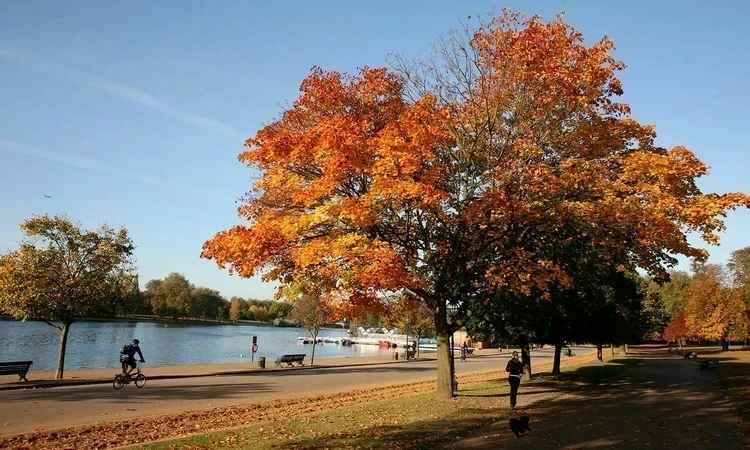
Hyde Park
Visit Hyde Park, known for its major events and home to a variety of gardens, children’s playgrounds, sports facilities and historic monuments.
-
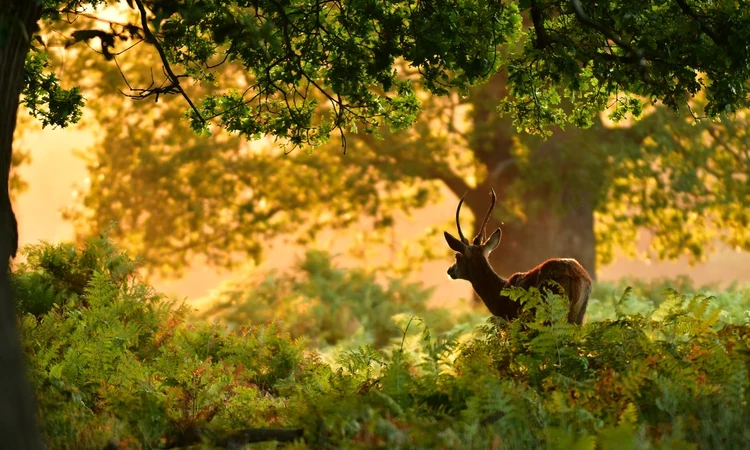
Richmond Park
Welcome to Richmond Park, one of London’s eight Royal Parks, covering 2,500 acres and home to ancient trees, herds of deer and the Isabella Plantation.
-
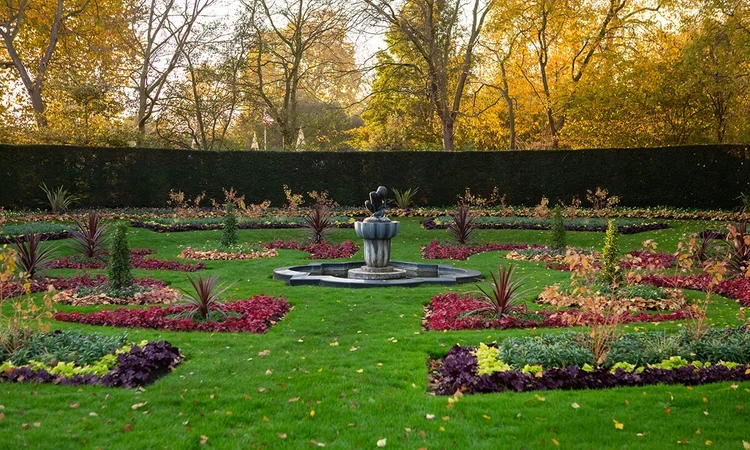
The Regent's Park & Primrose Hill
Welcome to The Regent’s Park & Primrose Hill, home to a large wetland area, gardens, children’s playgrounds, sports facilities and more.
-
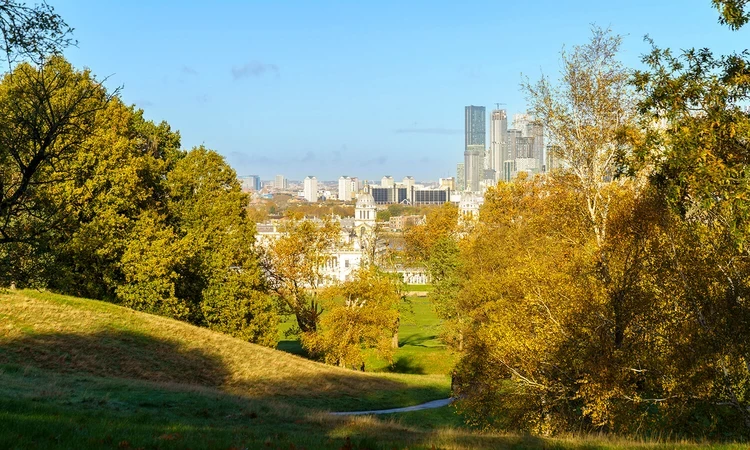
Greenwich Park
Welcome to Greenwich Park, one of London’s eight Royal Parks; a mix of 17th-century landscape, stunning gardens and a history dating back to Roman times.
-
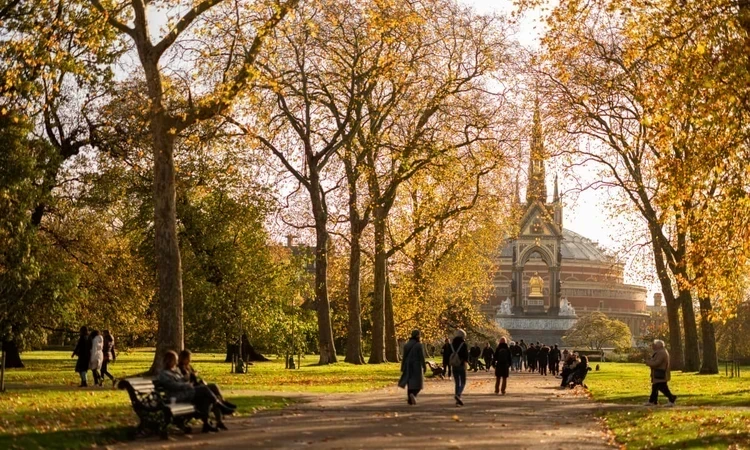
Kensington Gardens
Kensington Gardens is one of London’s eight Royal Parks covering an area of 265 acres of old and new park and green space.
-

The Green Park
The Green Park is one of London’s eight Royal Parks, a peaceful triangle of mature trees and grasslands offering a quiet retreat from city life.
-
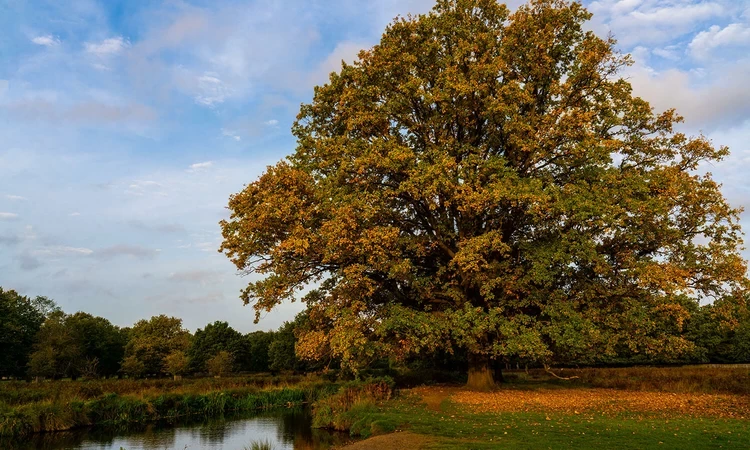
Bushy Park
Welcome to Bushy Park, the second largest of London’s eight Royal Parks at over 1000 acres, home to wild deer and located north of Hampton Court Palace.
-
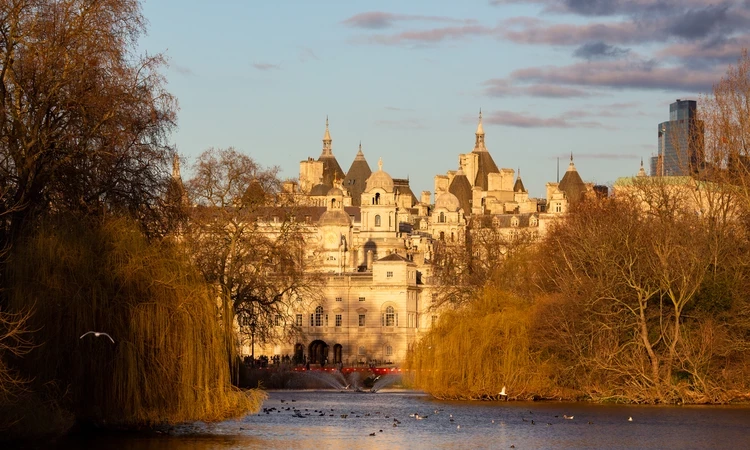
St. James's Park
Welcome to St. James’s Park, the oldest Royal Park at the heart of ceremonial London. Enjoy great views of the lake and fountain from St. James’s Café.


Related Articles
-
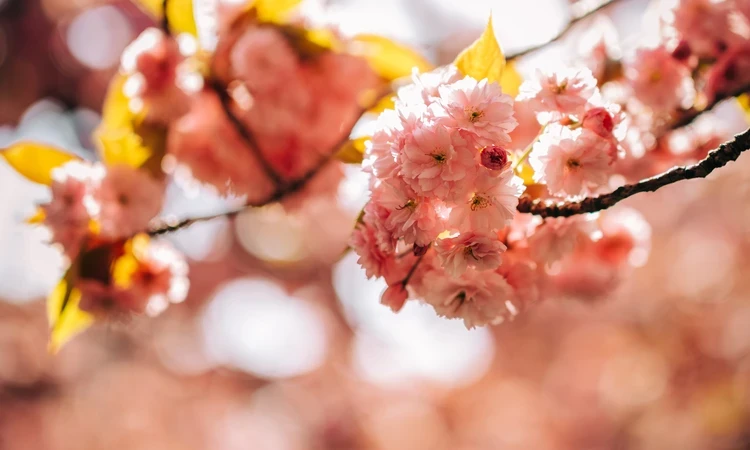 Read
ReadTop things to do in the Royal Parks this spring
It’s time to turn down your thermostat – spring in London is here and there’s plenty to do and enjoy in the Royal Parks.
-
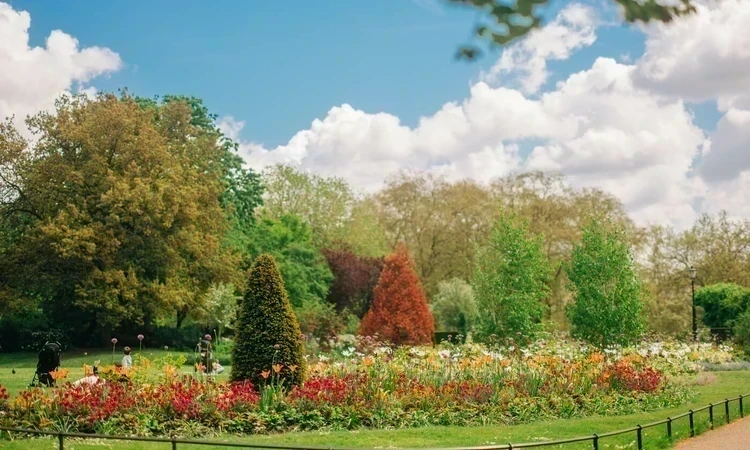 Watch
WatchSpring walkthrough: Hyde Park
Take a quick tour through Hyde Park in spring with this mapped walking route, showing some of the park's highlights.
-
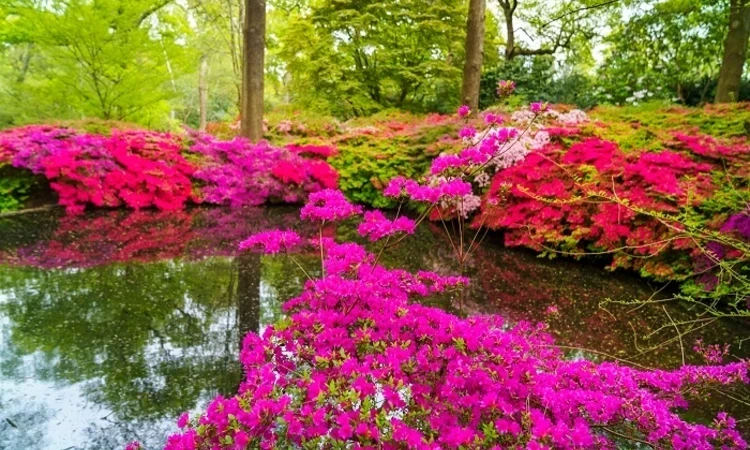 Watch
WatchSpring walkthrough: Isabella Plantation in Richmond Park
Take a mindful journey through Richmond Park's Isabella Plantation, one of the highlights of spring in London.


