Pitter patter of pelican chicks in St. James’s Park for first time in 360 years
Four pelican chicks have hatched in St. James’s Park, marking the first time the park has ever welcomed the pitter patter of tiny pelican feet.
The Royal Parks charity, which manages St. James’s Park, is working closely with Blackpool Zoo, Royal Veterinary College, ZSL and Wildfowl and Wetlands Trust, to provide expert care for the chicks. The chicks are one month old and are currently being protected in an area of the park that is not accessible to visitors while they become established and are expected to take to the water at around nine to 12 weeks old, to join the older pelicans.
Until then, the chicks are highly vulnerable, and the charity urges visitors to give them space and avoid disturbing them.
Pelicans have a long history in St. James’s Park, having first been gifted to King Charles II by the Russian Ambassador in 1664. Over the centuries, more than 50 pelicans have made the park their home and there has been a permanent presence in the park since 1897.
There are currently six Great White pelicans living in St. James’s Park: Isla, Tiffany and Gargi, along with more recent arrivals Sun, Moon and Star. However, this is the first time the park’s resident pelicans have successfully hatched chicks.
The four chicks will be named in due course.
Mark Wasilewski, Park Manager, St. James’s Park, said:
“I am truly thrilled to welcome the four young chicks to St. James’s Park - it’s a real ‘beak-through’ moment in over 360 years of the park hosting pelicans.
“I can’t wait to watch their antics as they grow and join the wider flock and develop their own distinct characters.
“We have increased the feeding for the pelicans, so they have all the fish they need.
“Right now, our focus is on giving these chicks the safest and best possible start in life, so that they can be nurtured by their parents and grow into strong, healthy adult birds.
“Dogs must be kept on a lead on the path around St. James’s Park lake, and we urge visitors to please respect their space, particularly while they are still very vulnerable, to help ensure they do not become distressed or overwhelmed.”
Nick Burnham, Senior Wildlife Officer, The Royal Parks, said:
“It is vital that the chicks are not disturbed or approached while they are still very vulnerable.
“We will continue to monitor the chicks closely and ensure their parents are well fed with roach, their favourite fish, to give these new arrivals the very best start in life.
“Pelicans are used to living in large flocks, so we think the new arrivals will settle in well. As the chicks grow, they may separate from the established flock of adults and do their own thing, like typical teenagers. We’ll have to see what happens.”


-
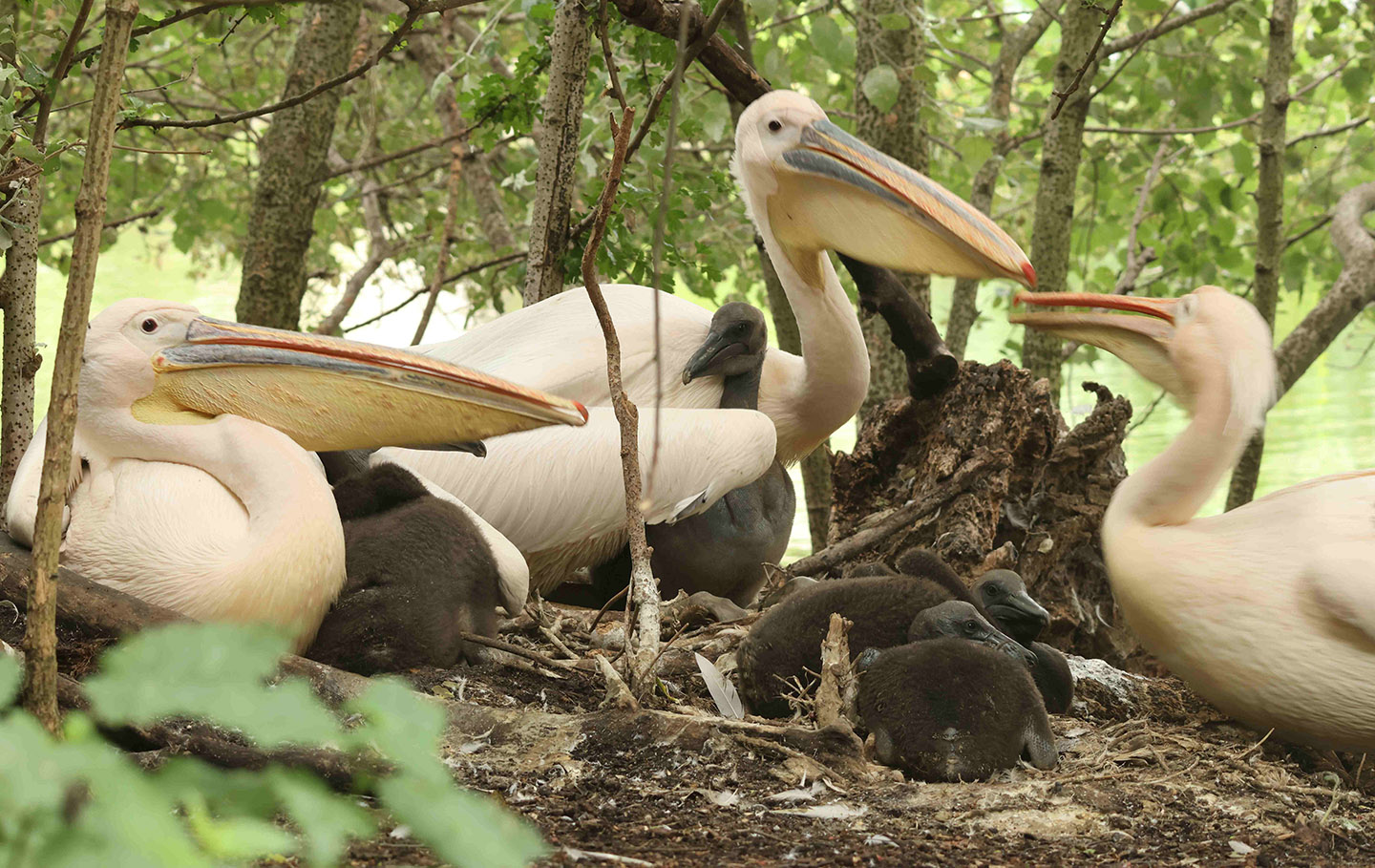 Wildlife Officers Sam Bonham and Nick Burnham St. James's Park
 -
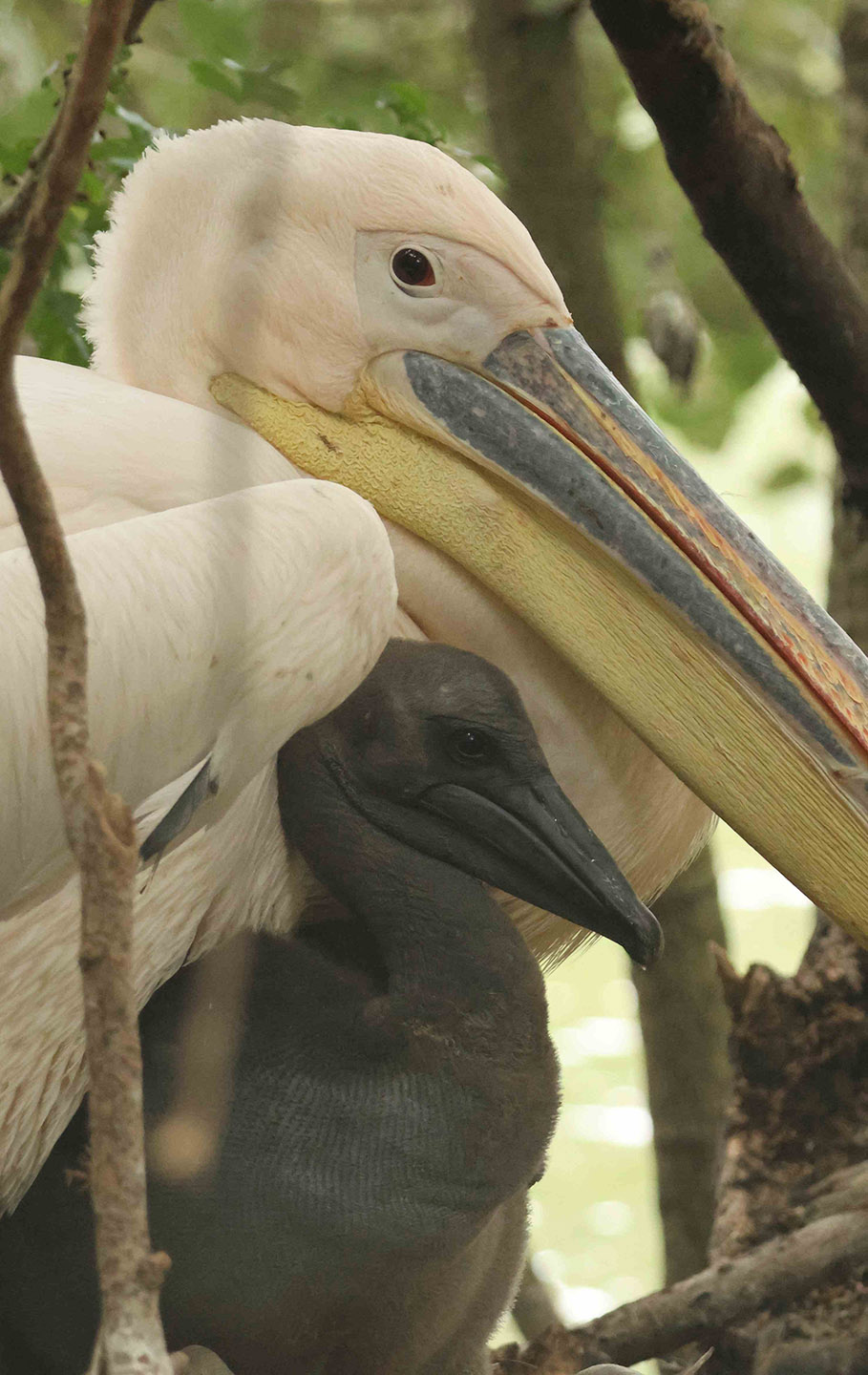 Wildlife Officers Sam Bonham and Nick Burnham St. James's Park
 -
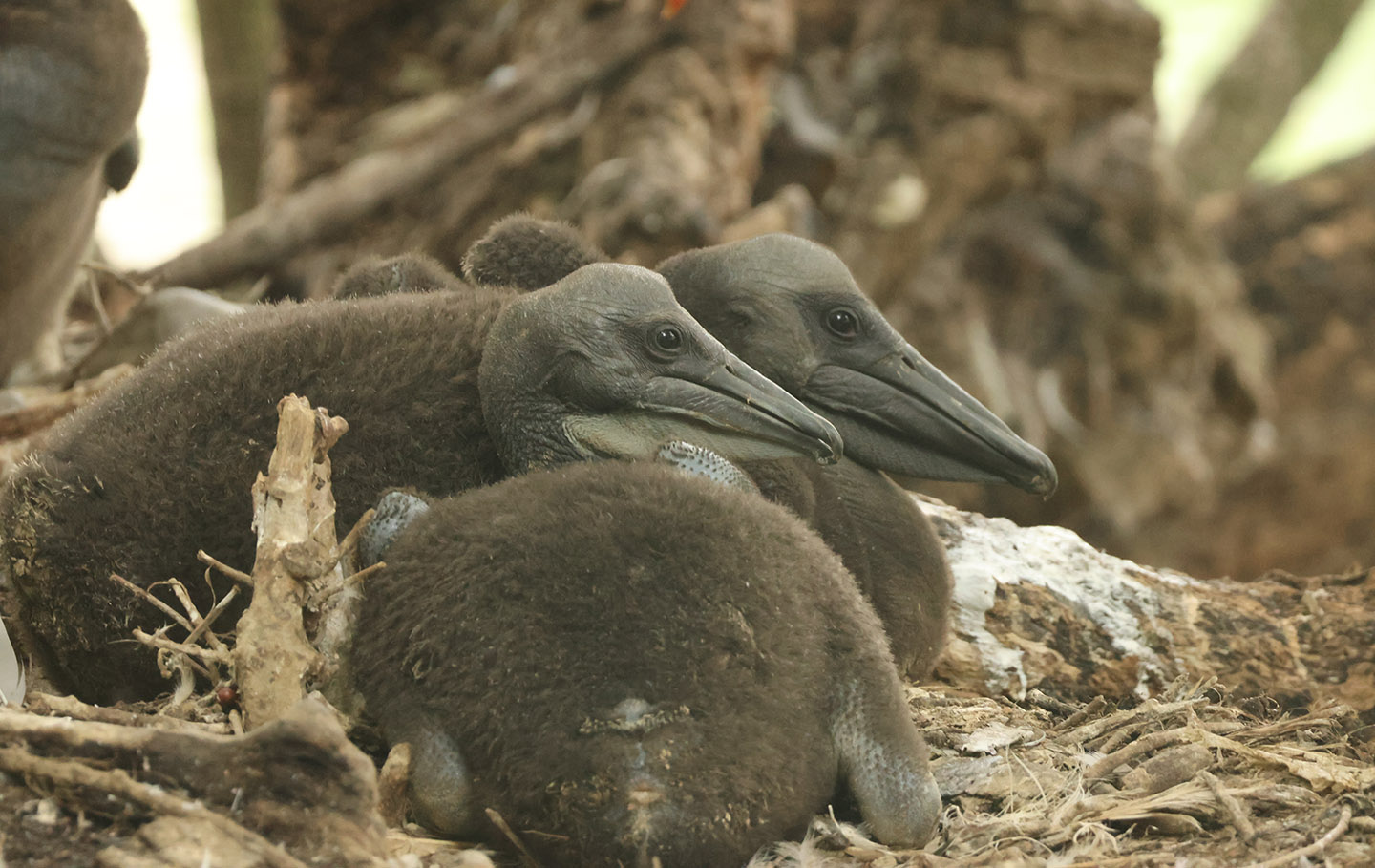 Wildlife Officers Sam Bonham and Nick Burnham St. James's Park
Related Articles
-
 Read
ReadRemembering Ignatius Sancho
Ignatius Sancho was a writer, composer and abolitionist who lived on the edge of Greenwich Park, and became the first black person to vote in Britain.
-
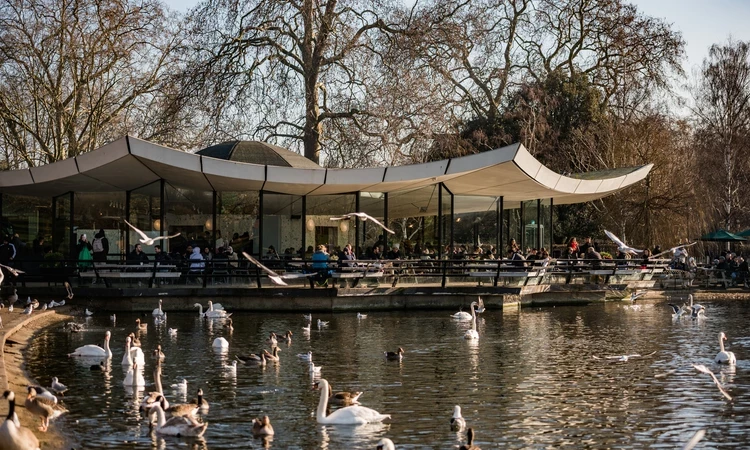
Help The Royal Parks protect waterfowl
The Royal Parks charity reminds visitors to keep close control of their pets by lakes to protect waterfowl.
-
 Read
ReadTop things to do in the Royal Parks this autumn
Discover the best things to do in London's Royal Parks this autumn including Halloween events, creative workshops and stunning seasonal walks.