
Five top tips for recycling in your garden
Inspired by our new garden at The Regent’s Park?
If you’d like to adopt the ethos of a ‘circular economy’ at home, here are five top tips from Head Gardener Fiona Packe:
-
Chop and drop
Why not adopt the ‘chop and drop’ cutting back system, to provide free mulch and reduce waste leaving your garden? When you’re cutting back after winter, all of your dead stems and foliage can just be left directly on the soil to rot down. This provides nutrients to the soil, as well as allowing all the little critters that were hibernating in the hollow stems to escape safely when it warms up in spring.

-
Get composting
Did you know you can compost pretty much anything? Even your most pernicious weeds like Bindweed and Dandelions can be dried out in the summer sun – this will crisp them up before you add them to your heap. Alternatively, you can leave them in a black bag for a few months to completely die off and then add them to your compost bin.

-
Collect rainwater
Water is becoming such a valuable and scarce resource, so it’s really important that we start harvesting as much rainwater as we can. When watering, always ensure you’re allowing water to get deep down to the roots. This means no light spraying of the soil which only encourages roots to stay at surface level. Water for longer, but less frequently.

-
Rejoice in rubble
Having some rubbly soil is no bad thing – you can utilise it to mimic rocky Mediterranean landscapes. Rubbly soil is excellent as it is free- draining, so your plants won’t be sitting in winter wet. The soil will have a high pH and be less nutritious, but your plants will grow stockier, stronger and will be more likely to survive the ever-changing climate.

-
Grow in hardcore or sand
If you have lifted a patio or driveway, you might find hardcore or sand foundations. But you can grow plenty in these conditions! Firstly, when you start planting, buy small. This gives the plant or tree an opportunity to grow and adapt to the new soil conditions. You could plant trees such as Arbutus unedo, the Strawberry tree, and Lagerstroremia indica, which can be seen in The Regent’s Park.
Our Head Gardener’s favourite shrubs and plants to try in these conditions are the scented Myrtus communis or Rosa Pimpinellifolia. If you plant Lychnis coronaria, you’ll have it forever in your garden as it self-seeds freely.
For winter interest, you can try Phlomis Russeliana which has statuesque seedheads and is pollinator friendly. You may eventually find ground nesting bees nestling beneath its velvety foliage.

Planting suggestions
-
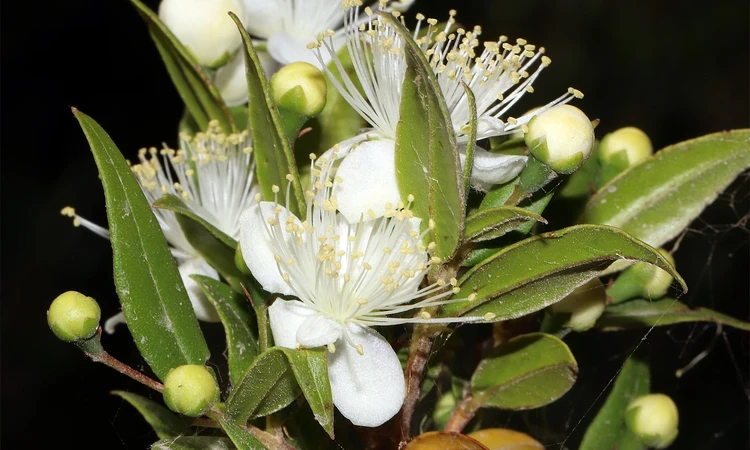 Myrtus communis (common myrtle)
 -
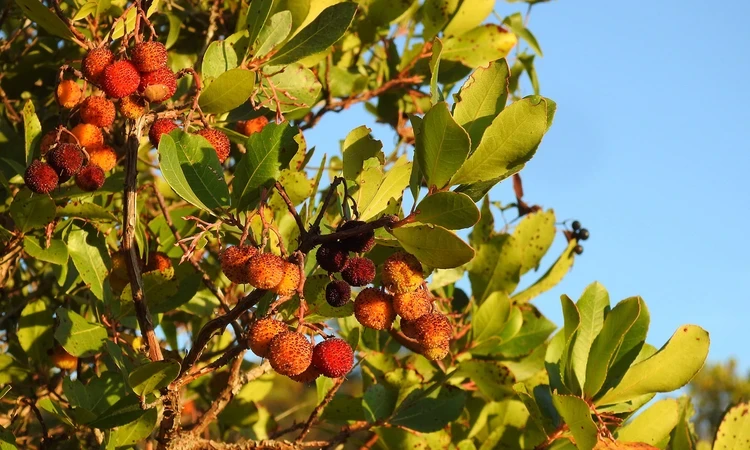 Arbutus unedo (strawberry tree)
 -
 Lagerstroemia indica (crape myrtle)
 -
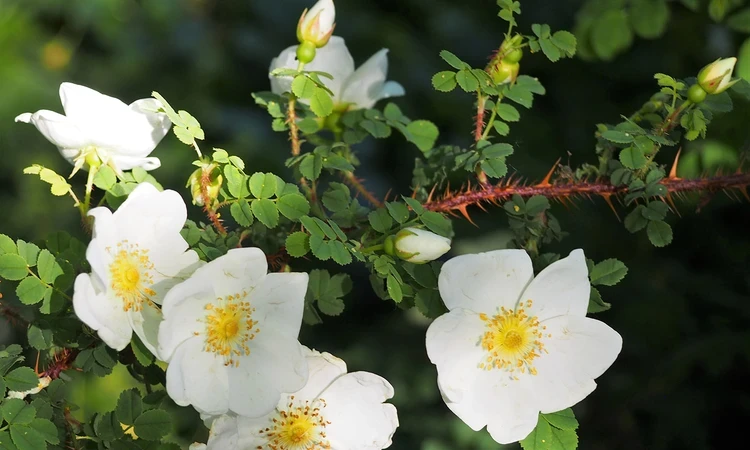 Rosa Pimpinellifolia (Scotch rose)
 -
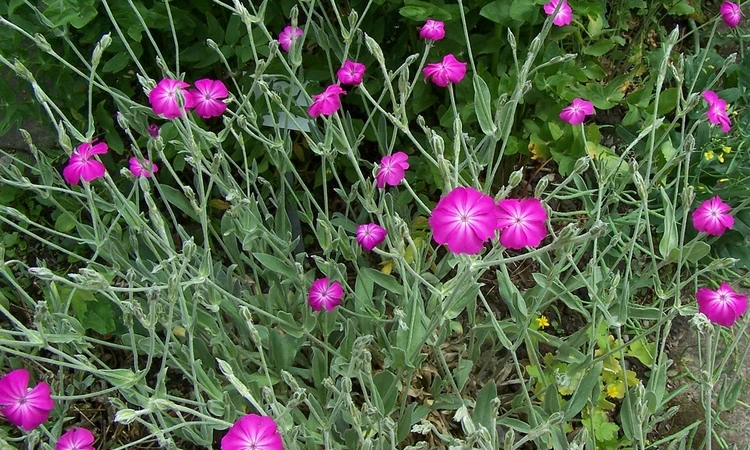 Lychnis coronaria (rose campion)
 -
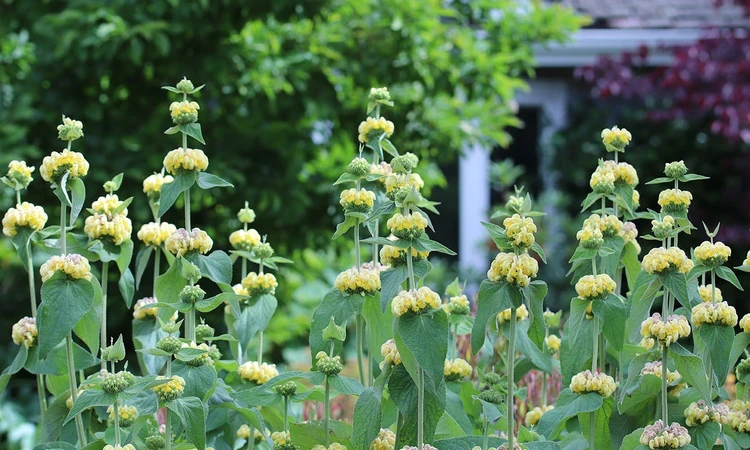 Phlomis russeliana (Turkish sage)


-
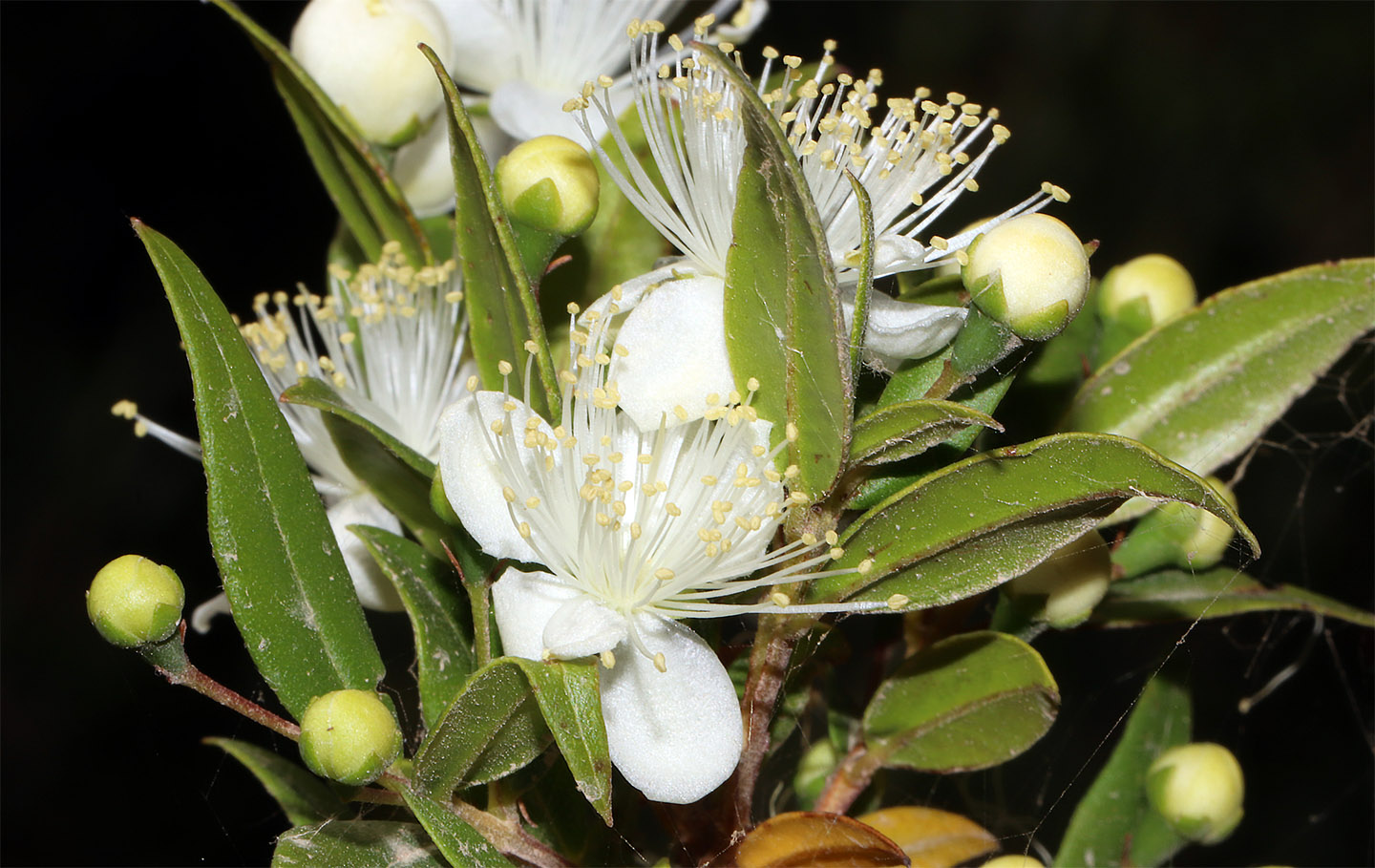 Myrtus communis (common myrtle) Umberto Ferrando, CC BY 2.0, via Wikimedia Commons
 -
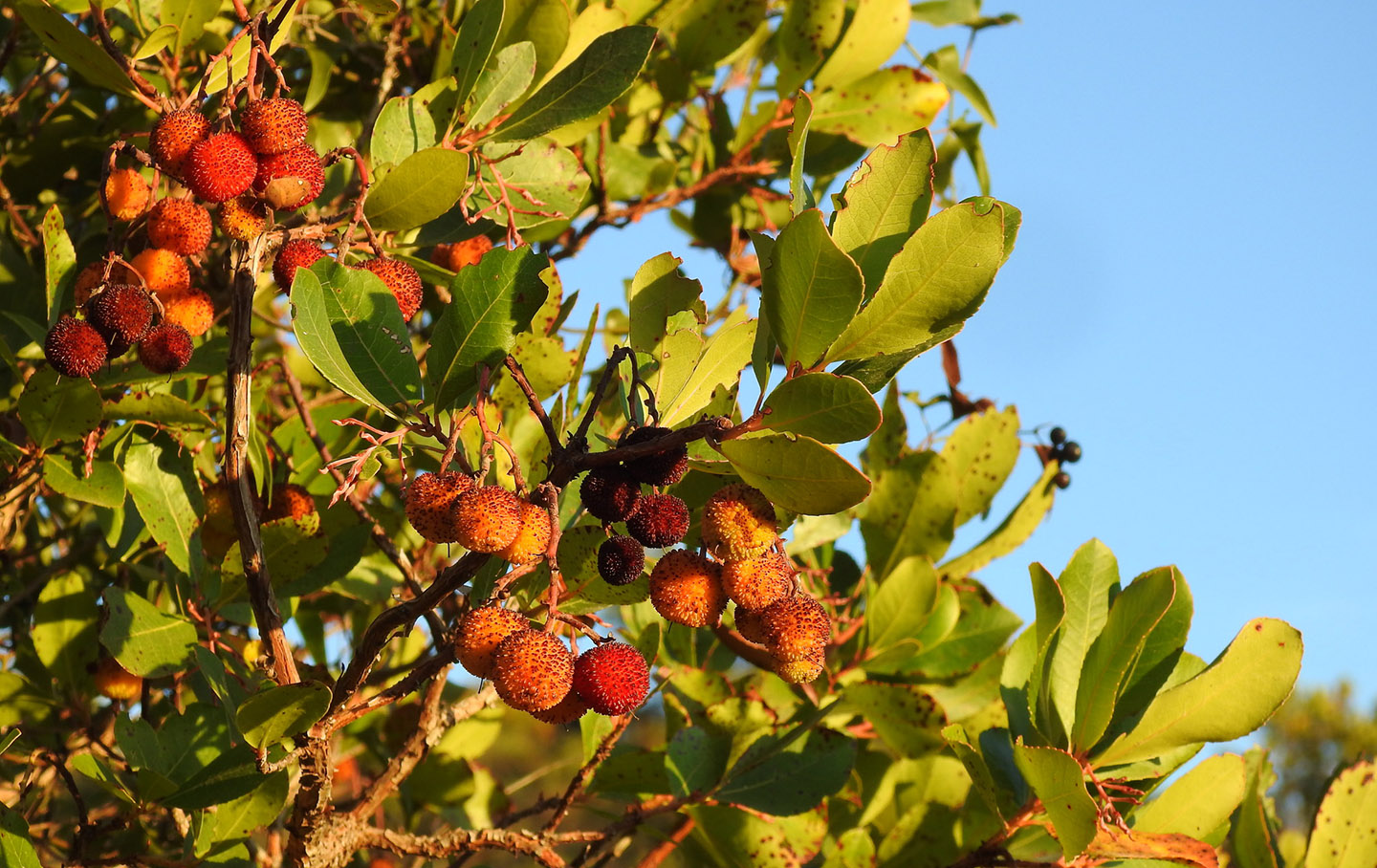 Arbutus unedo (strawberry tree) Duarte Frade, CC BY 4.0, via Wikimedia Commons
 -
 Lagerstroemia indica (crape myrtle) Jim Evans, CC BY-SA 4.0, via Wikimedia Commons
 -
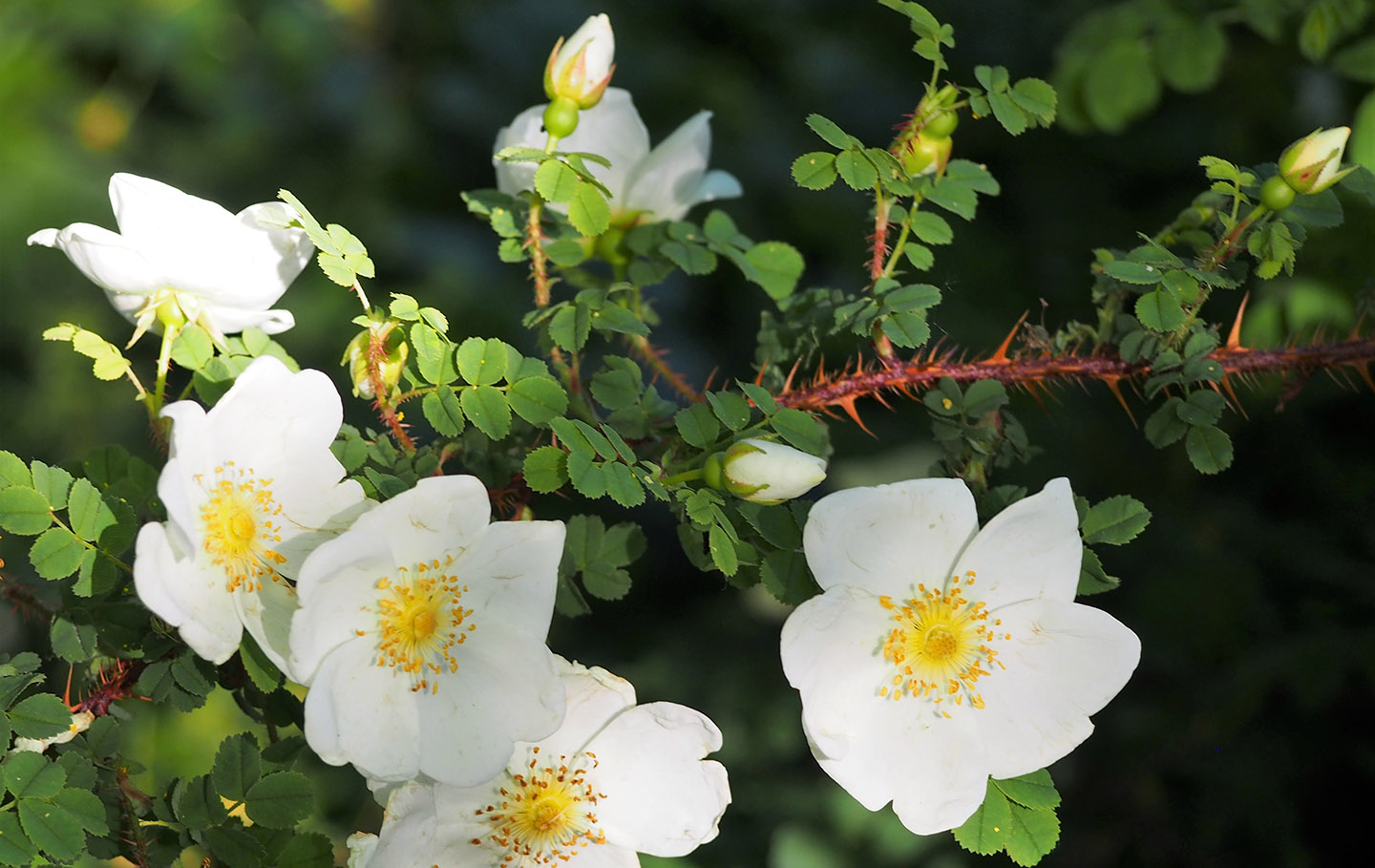 Rosa Pimpinellifolia (Scotch rose) Agnieszka Kwiecień, Nova, CC BY-SA 4.0, via Wikimedia Commons
 -
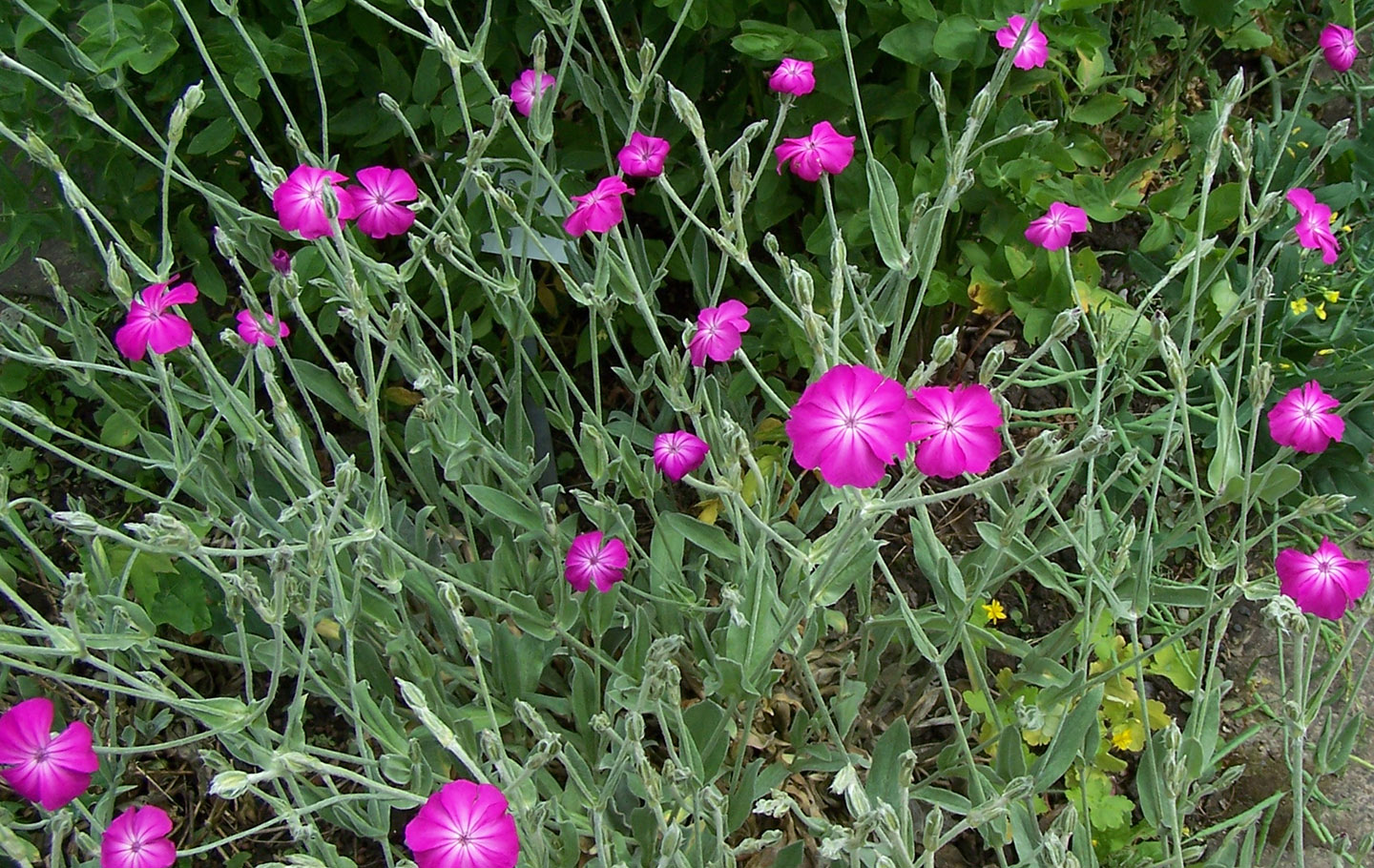 Lychnis coronaria (rose campion) No machine-readable author provided. Valérie75 assumed (based on copyright claims)., CC BY-SA 3.0, via Wikimedia Commons
 -
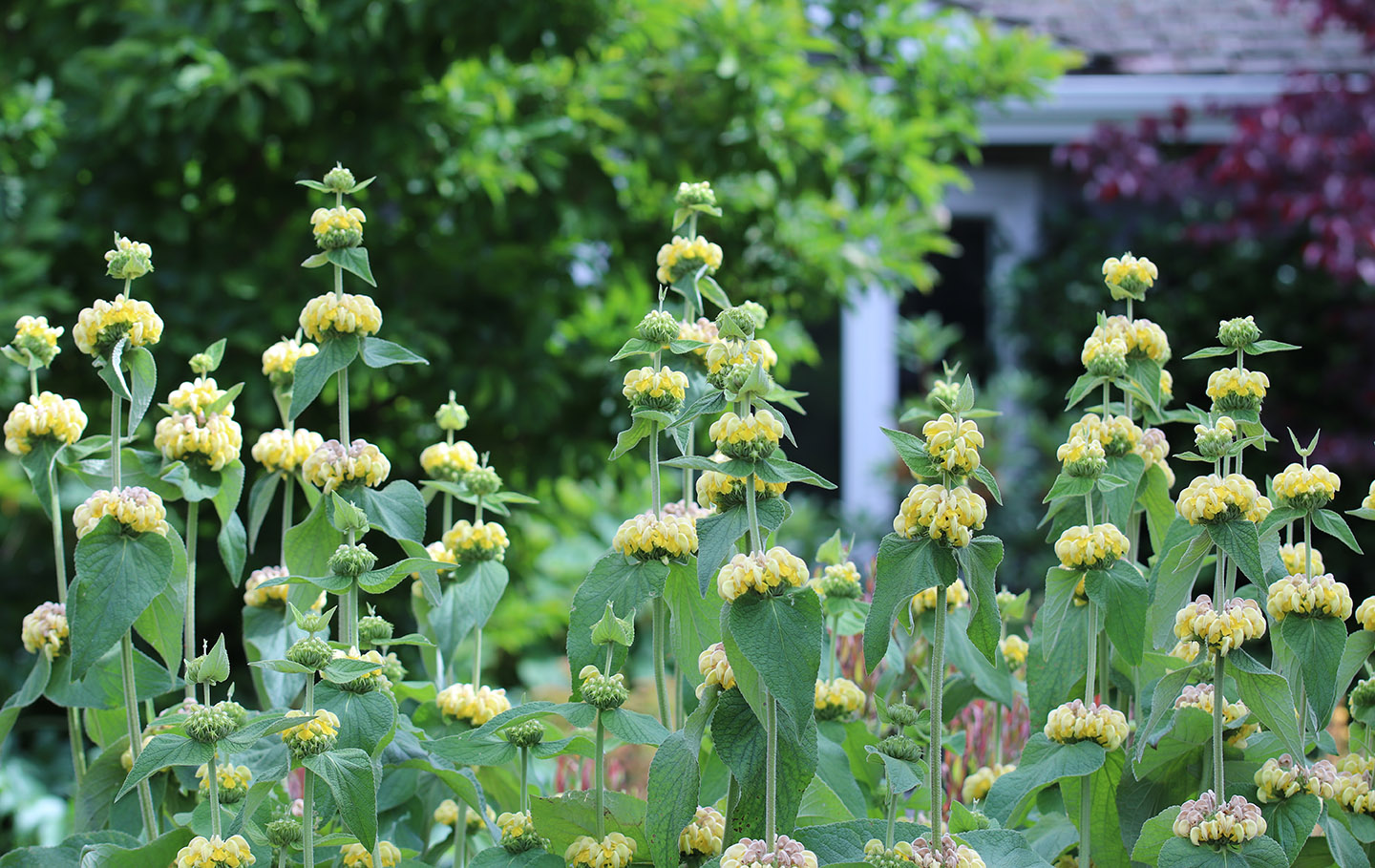 Phlomis russeliana (Turkish sage) S.G.S., CC BY-SA 4.0, via Wikimedia Commons
Download a PDF of the Queen Elizabeth II Garden plant list
Related Articles
-
 Read
ReadQueen Elizabeth II: A Life in Gardens
This gallery explores the life of Queen Elizabeth II through the lens of parks and gardens.
-
 Read
ReadThe Regent’s Park Planting Trial
The planting trial will help build understanding on how different soil compositions affect plant growth and resilience.
-
 Read
ReadGardening for biodiversity
Designing and planting a garden that’s pollinator-friendly is a really positive move for biodiversity.


