
From plot to plate
The Royal Parks allotments and a recipe inspired by them
Across four of London’s Royal Parks, our staff and volunteers care for six special food-growing spaces. Each has its own character, history and purpose.
Explore these hidden gems before bringing a taste of each one together in a colourful autumn recipe.
-
The Ignatius Sancho Community Kitchen Garden, Greenwich Park
Beside the Ignatius Sancho Café in the south-east corner of Greenwich Park is a community kitchen garden filled with vegetable beds and fruit trees.
The garden forms part of Vanbrugh Yard, which was transformed from a private residential area and concrete yard into a welcoming public space. Alongside the kitchen garden, the area now contains the café, accessible facilities and a volunteer hub.
The café and garden are named in honour of Ignatius Sancho, a writer, composer, shopkeeper and abolitionist who lived near Greenwich Park during the 18th century and became the first known Black Britain to vote in a parliamentary election.
Our harvest recipe ingredient: onion
-
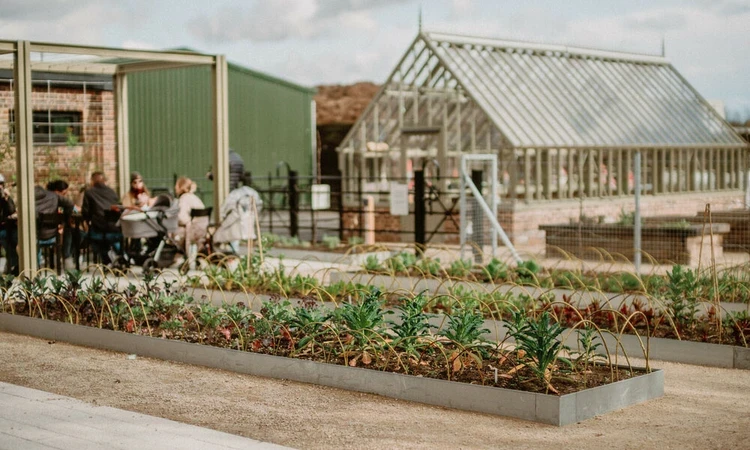 The community kitchen garden
 -
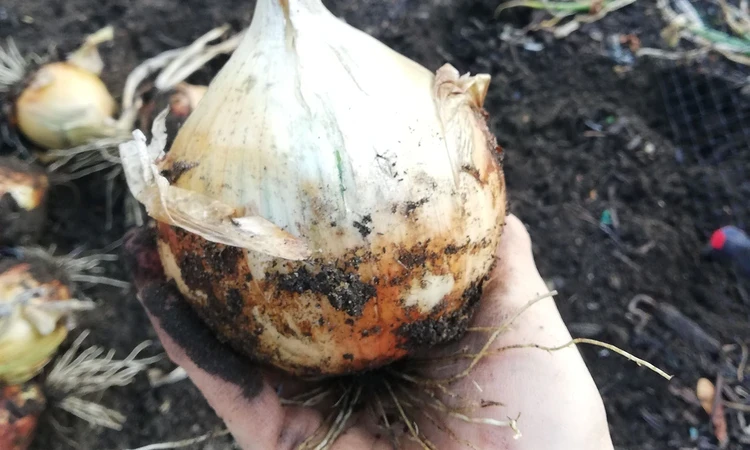 Freshly cultivated onion - perfect for our recipe!


-
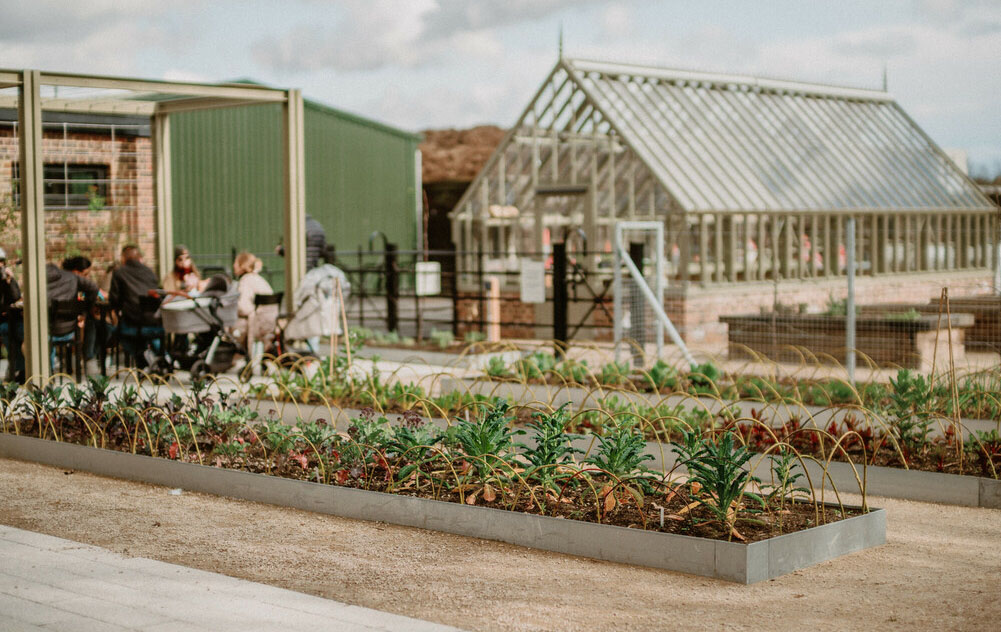 The community kitchen garden Greenwich Park
 -
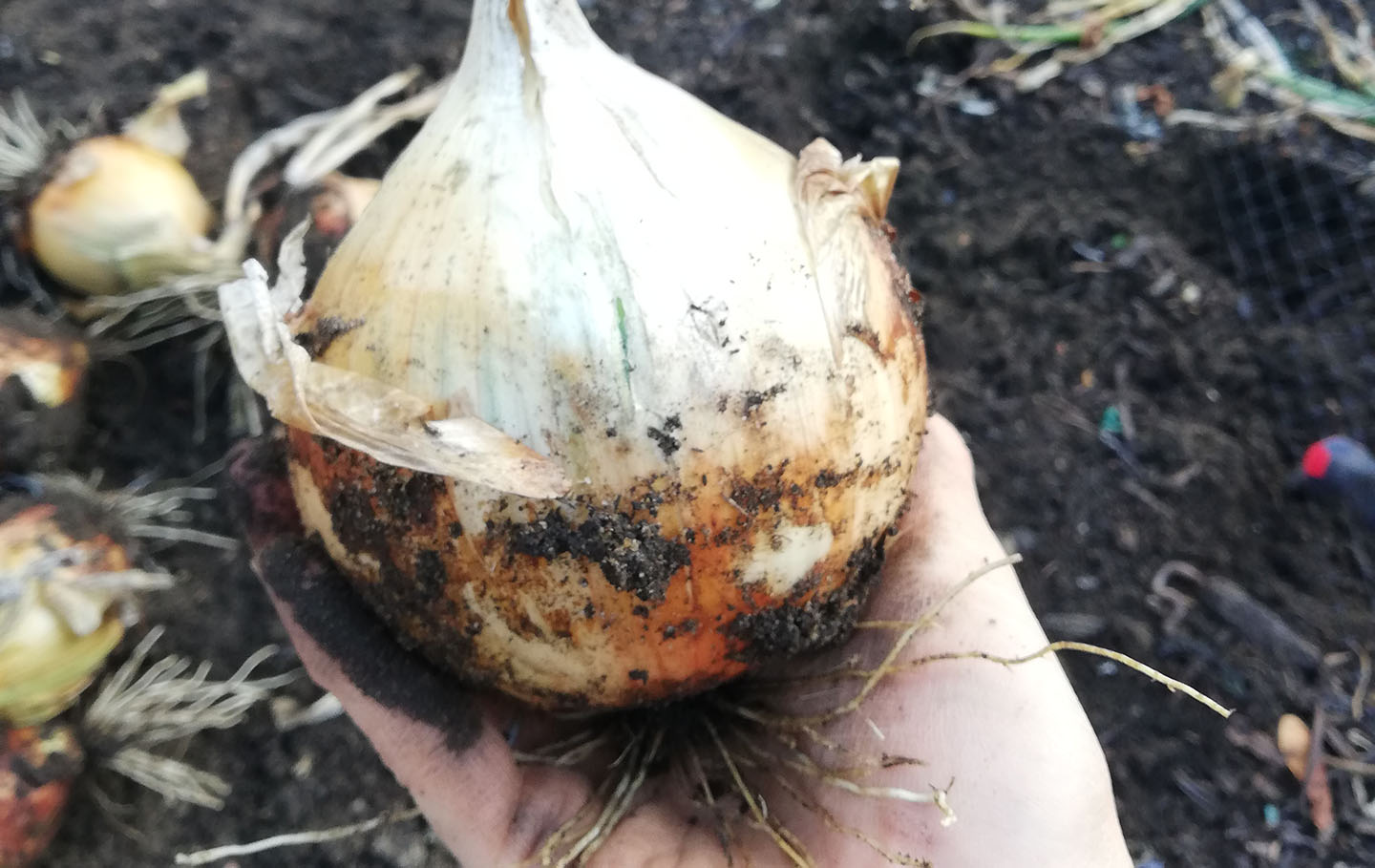 Freshly cultivated onion - perfect for our recipe!
-
The Queen’s Orchard, Greenwich Park
Located in the north-eastern corner of Greenwich Park, the Queen’s Orchard has a history stretching back to the 17th century.
The enclosed garden was returned to The Royal Parks and restored with the support of volunteers and the Friends of Greenwich Park. Fruit trees were planted and its pathways, ponds and raised beds were carefully reinstated.
Today, fruit and vegetable beds sit alongside an impressive collection of fruit trees, including apples, quinces, plums, medlars and mulberries, as well as peaches, apricots and nectarines. The gardening team has also experimented with growing more unusual crops, including watermelons.
The orchard is primarily a place for learning, helping visitors discover what they can grow at different times of year and explore the horticultural practices used by our gardening team.
Our harvest recipe ingredient: apple
-
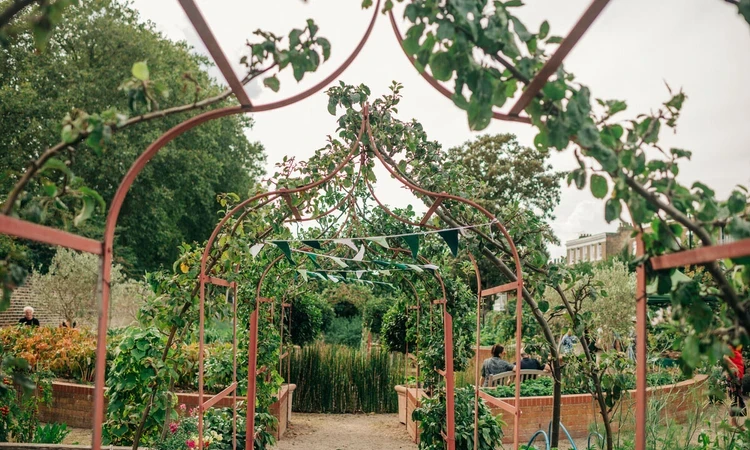 View through the Queen's Orchard
 -
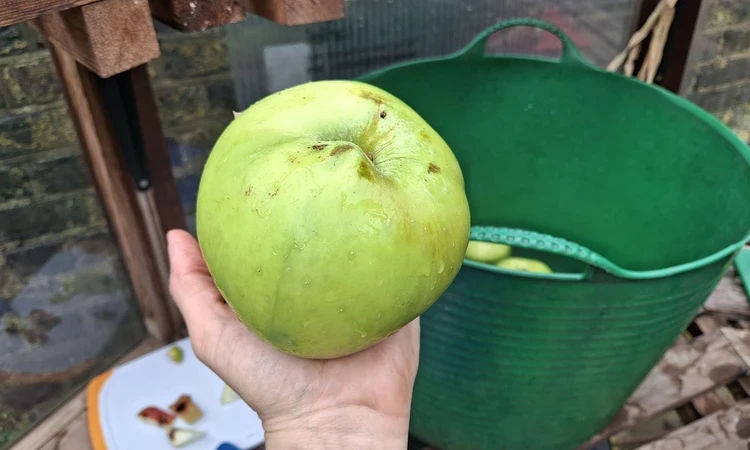 A large apple from the orchard


-
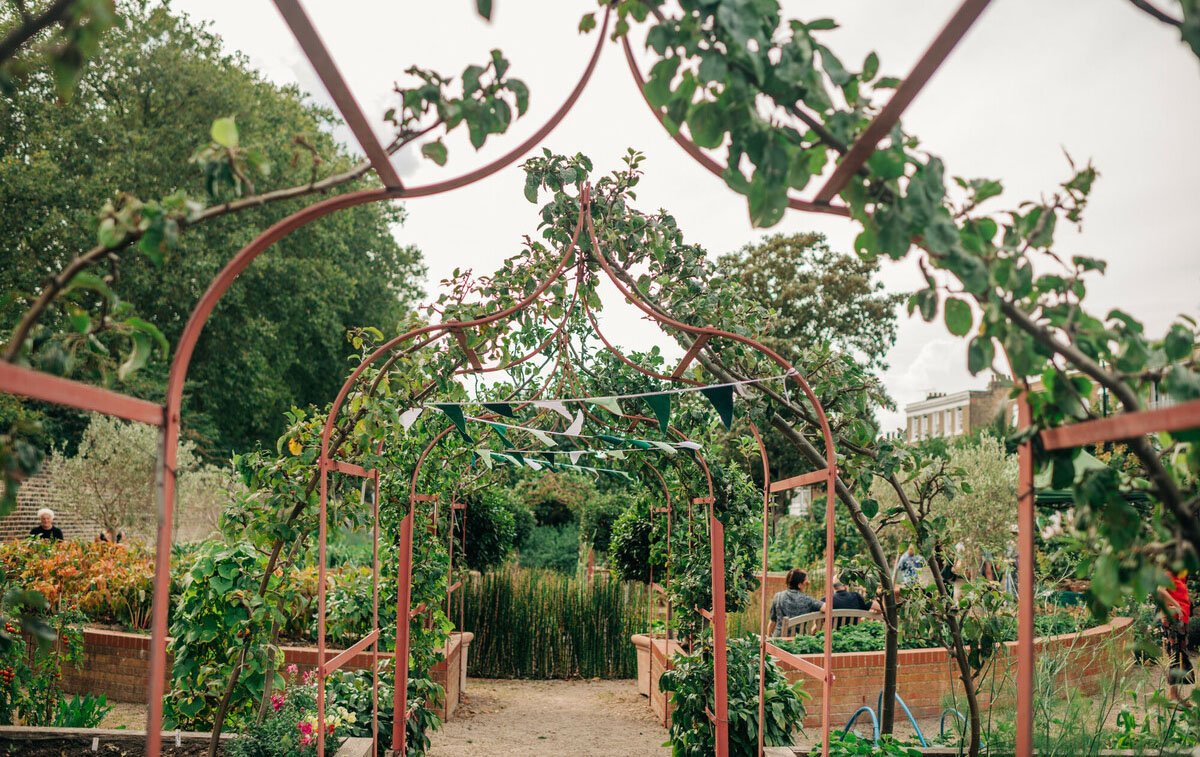 View through the Queen's Orchard Greenwich Park
 -
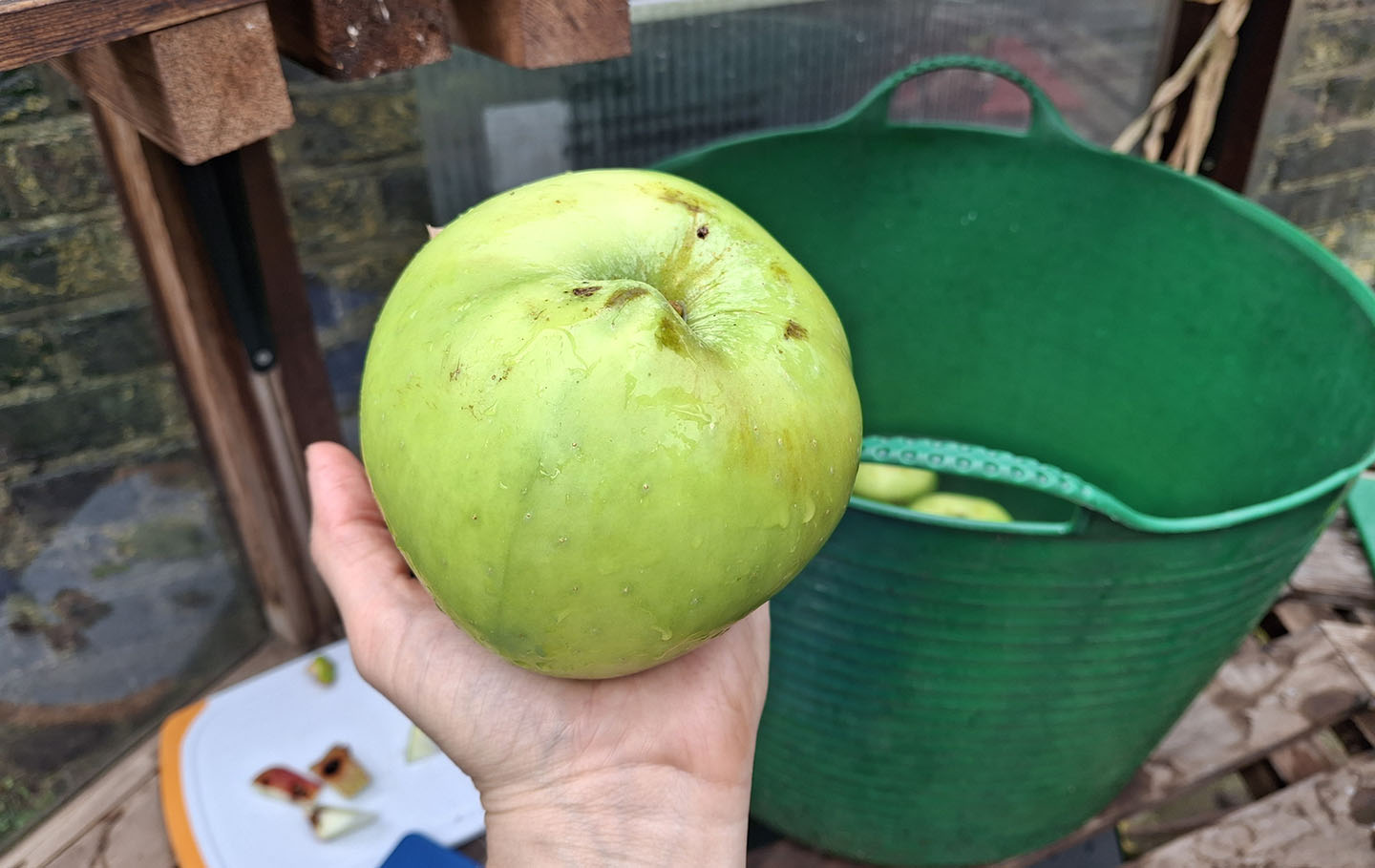 A large apple from the orchard Greenwich Park
-
The Herb Garden, Greenwich Park
Close to St. Mary’s Gate, Greenwich Park’s formal Herb Garden offers a peaceful retreat from the busier areas of the park.
Its ornate box hedges surround a central fountain, while the beds contain a wide variety of culinary herbs. On a sunny day, the garden is filled with fragrance and the hum of visiting pollinators.
Herbs are ideal for growing at home because many varieties need very little space. A pot, balcony or sunny windowsill can be enough to provide fresh flavour throughout the growing season.
Our harvest recipe ingredient: sage
-
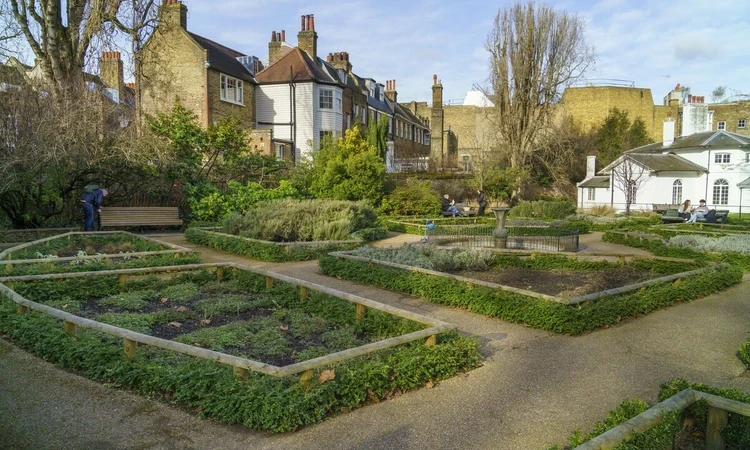 The Herb Garden at St. Mary's Lodge
 -
 Close-up of sage leaves


-
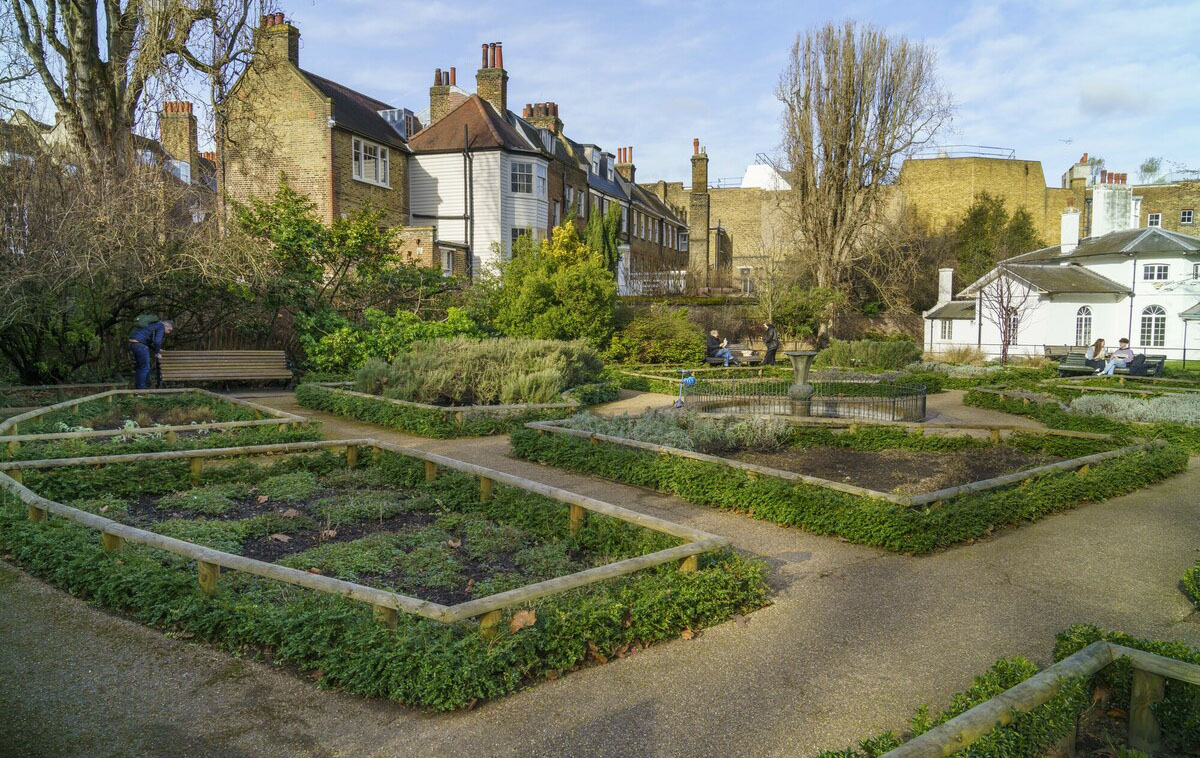 The Herb Garden at St. Mary's Lodge Greenwich Park
 -
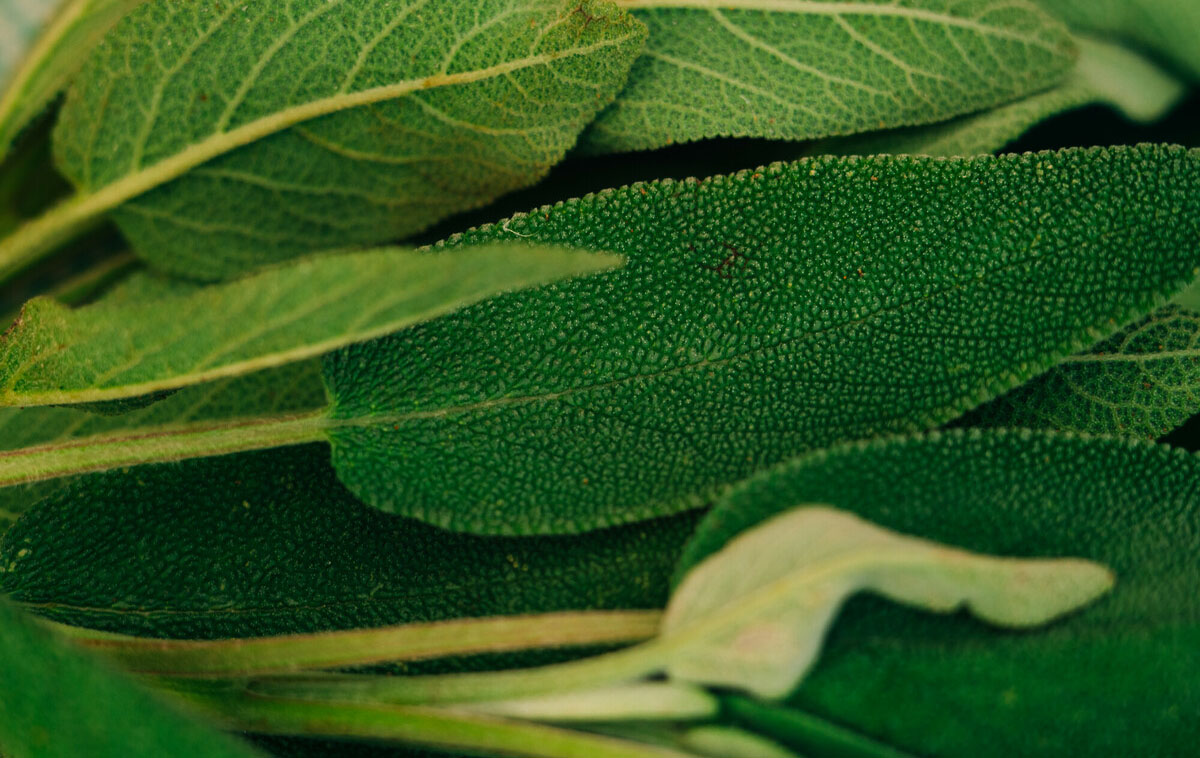 Close-up of sage leaves
-
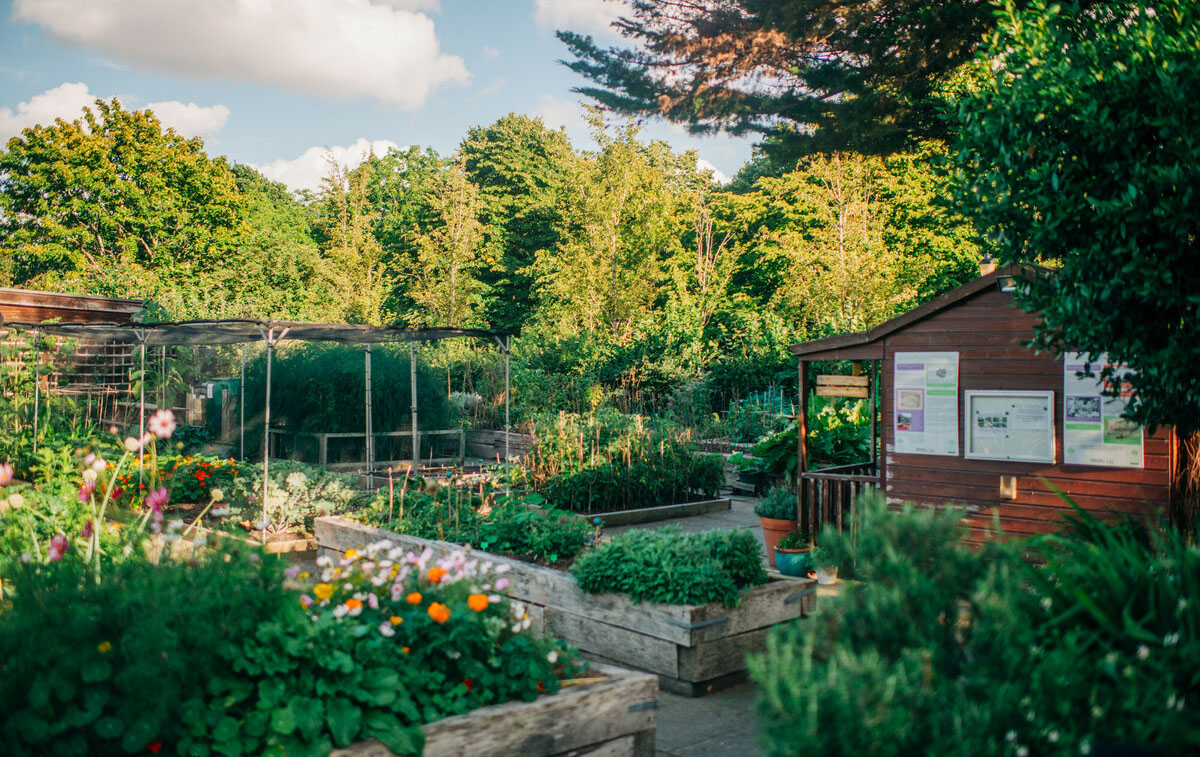
The Regent’s Park Allotment Garden
On the corner of the Inner Circle and Chester Road, The Regent’s Park Allotment Garden demonstrates the wide variety of food that can be grown in an urban environment.
The garden is maintained by a dedicated team of volunteers and is run in partnership with The Royal Parks, Capital Growth and Capel Manor College. Its purpose is to inspire people to grow their own food while sharing advice about organic and wildlife-friendly growing techniques.
The allotment contains a wide range of fruits and vegetables, with different crops appearing as the seasons change.
Our harvest recipe ingredient: tomatoes
-
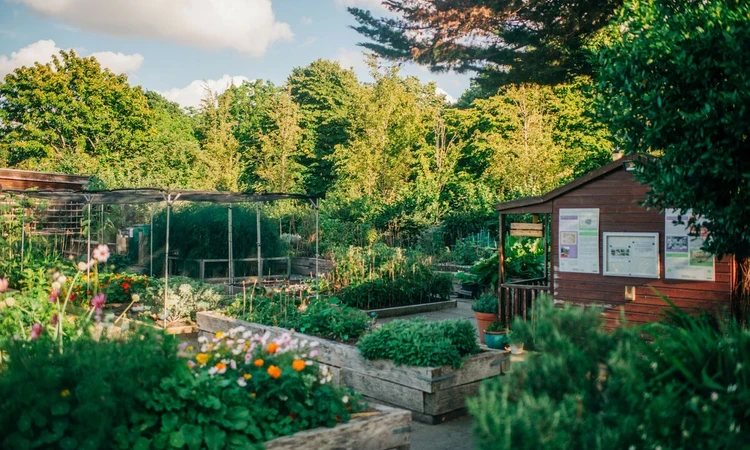 The Regent's Park allotment garden
 -
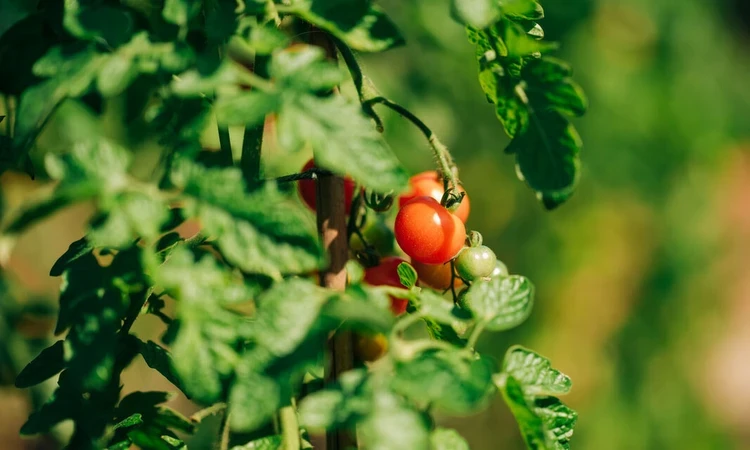 Bright ripe tomatoes on the vine


-
 The Regent's Park allotment garden The Regent's Park & Primrose Hill
 -
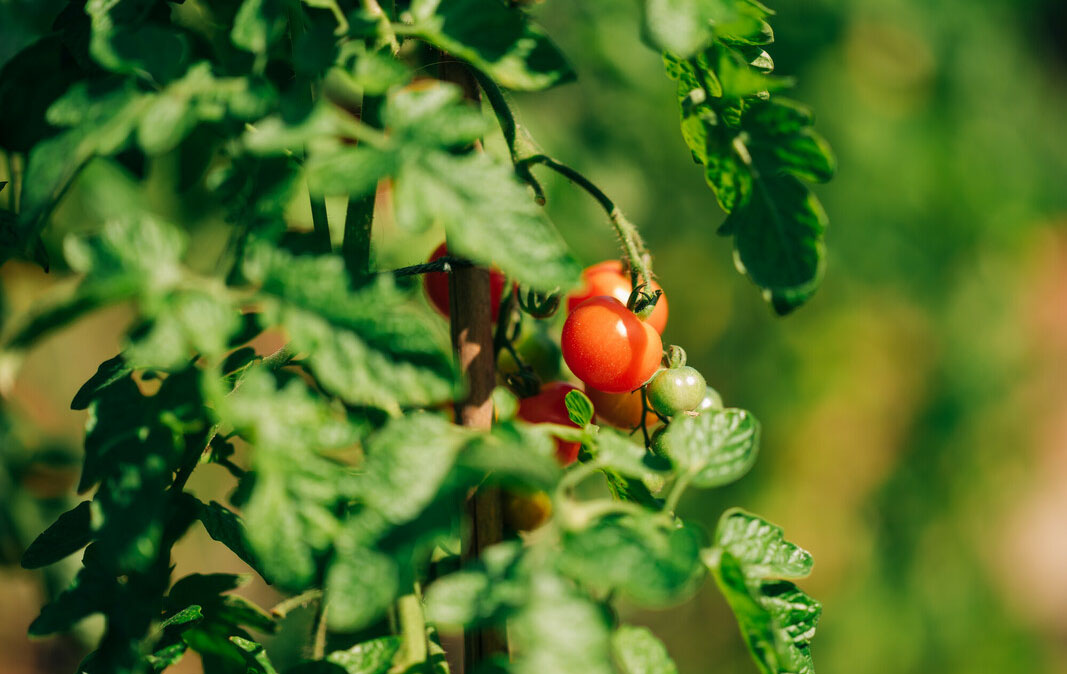 Bright ripe tomatoes on the vine The Regent's Park & Primrose Hill
-
Kensington Gardens Allotment
Hidden behind the Serpentine North Gallery, along Buck Hill Walk, is Kensington Gardens Allotment.
Cared for by volunteers, its beds show how fruit, vegetables and herbs can thrive in spaces of different sizes. Vertical planting demonstrates how growing upwards can maximise harvests in smaller spaces, while four resident chickens have their own coop.
Visitors, schools and community groups can learn about organic food growing, composting and sustainability. The surrounding Buck Hill area also holds traces of the past, from its use as a First World War camouflage school to the remains of an early ha-ha, a sunken landscape boundary.
Our harvest recipe ingredients: cavolo nero and Swiss chard
-
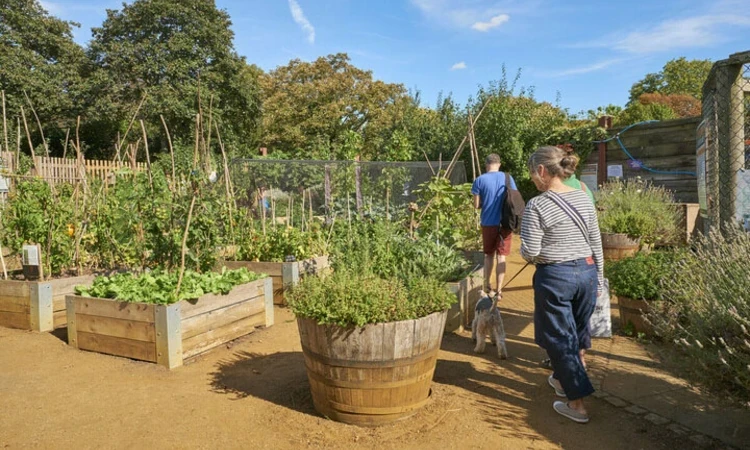 Kensington Gardens Allotment
 -
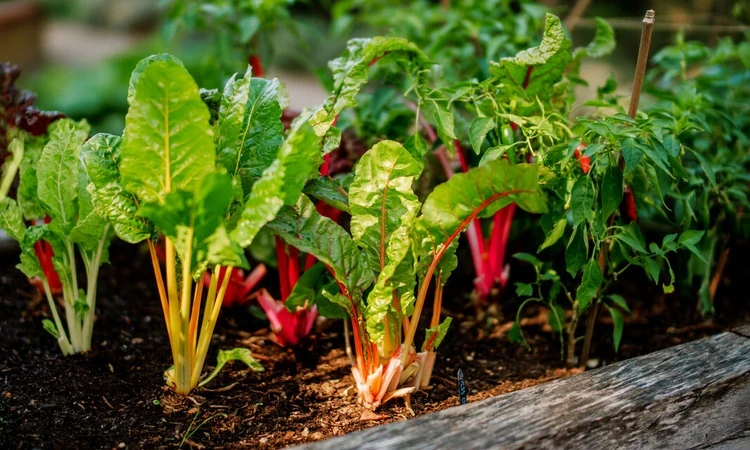 Swiss chard growing in raised beds


-
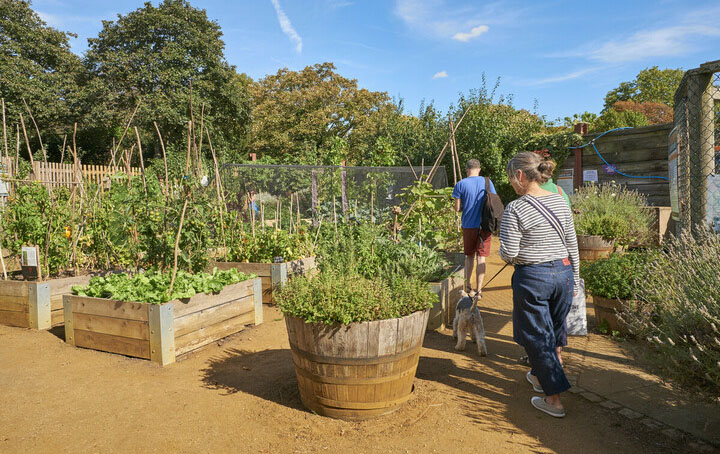 Kensington Gardens Allotment Kensington Gardens
 -
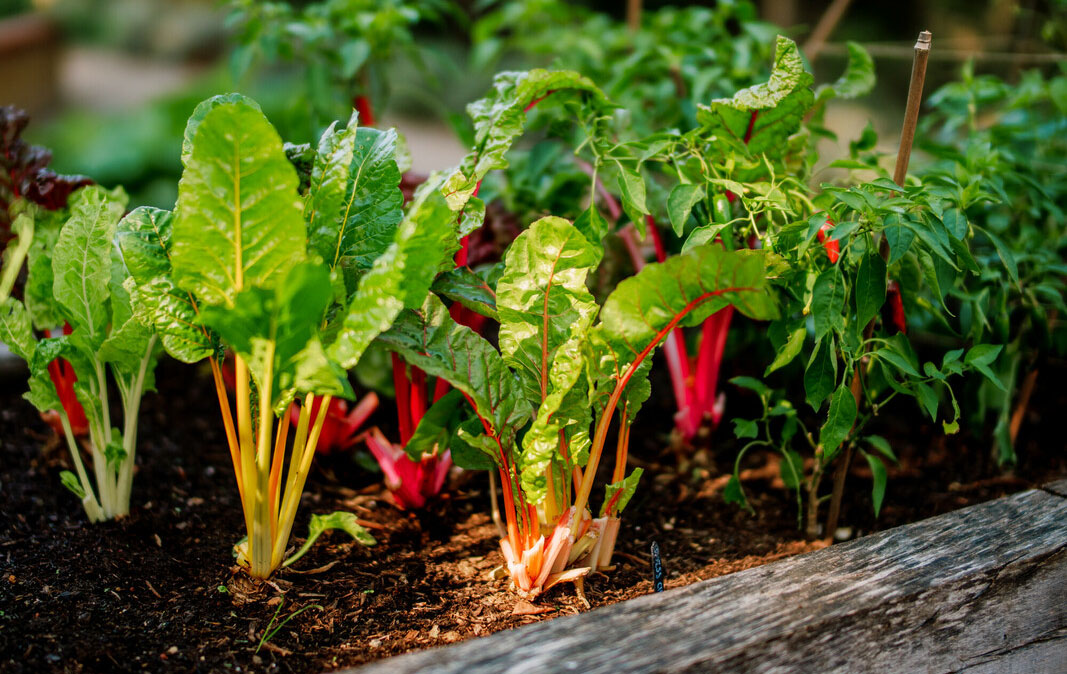 Swiss chard growing in raised beds
-
Duck Island Cottage Garden, St. James’s Park
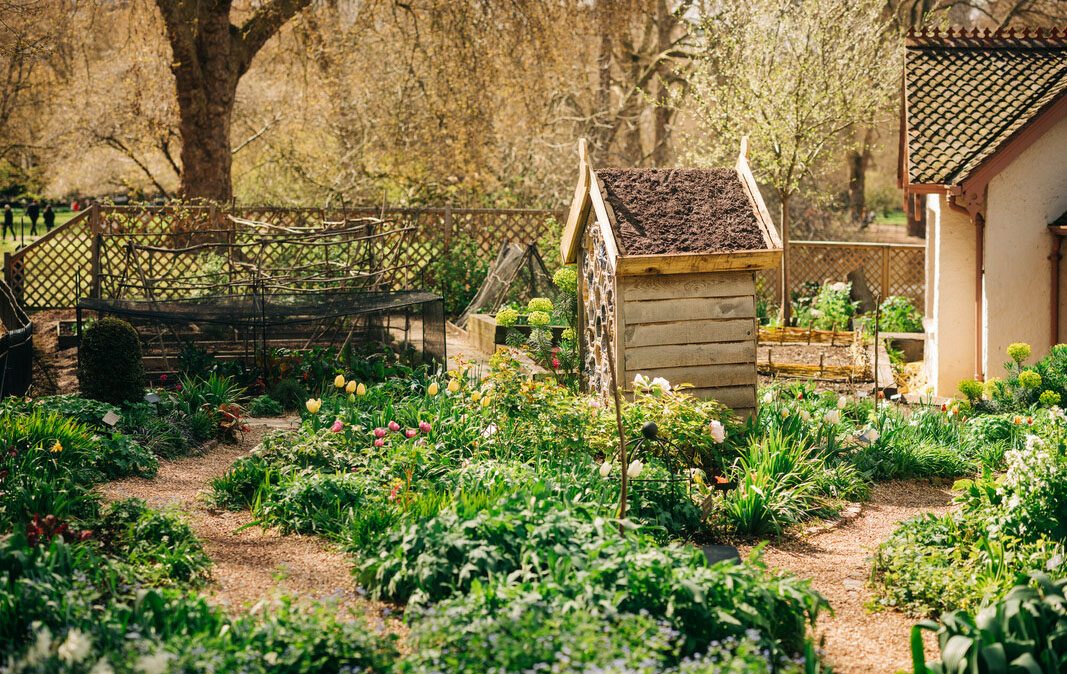
Duck Island Cottage Garden offers a charming contrast to the grand landscapes and formal flower beds of St. James’s Park.
Here, fruit, flowers and vegetables are grown on a domestic scale, including heritage varieties alongside new crops being trialled by The Royal Parks’ horticultural apprentices as part of their training.
Organic seeds and companion planting are used to encourage biodiversity and attract pollinators. The garden shows how thoughtful planting can produce food while also creating valuable habitats for wildlife.
Our harvest recipe ingredient: squash
-
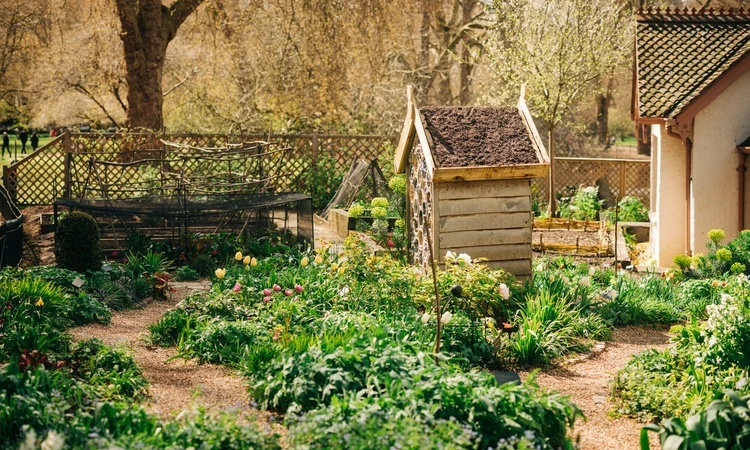 The Duck Island Cottage Garden in St. James's Park
 -
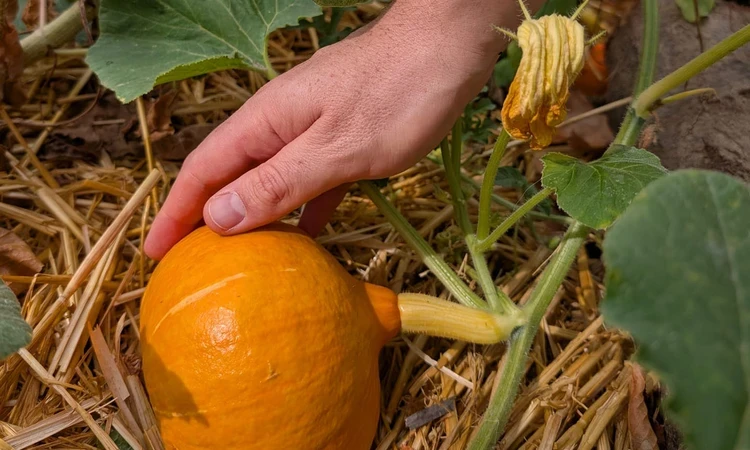 Colourful, naturally grown squash


-
 The Duck Island Cottage Garden in St. James's Park St. James's Park
 -
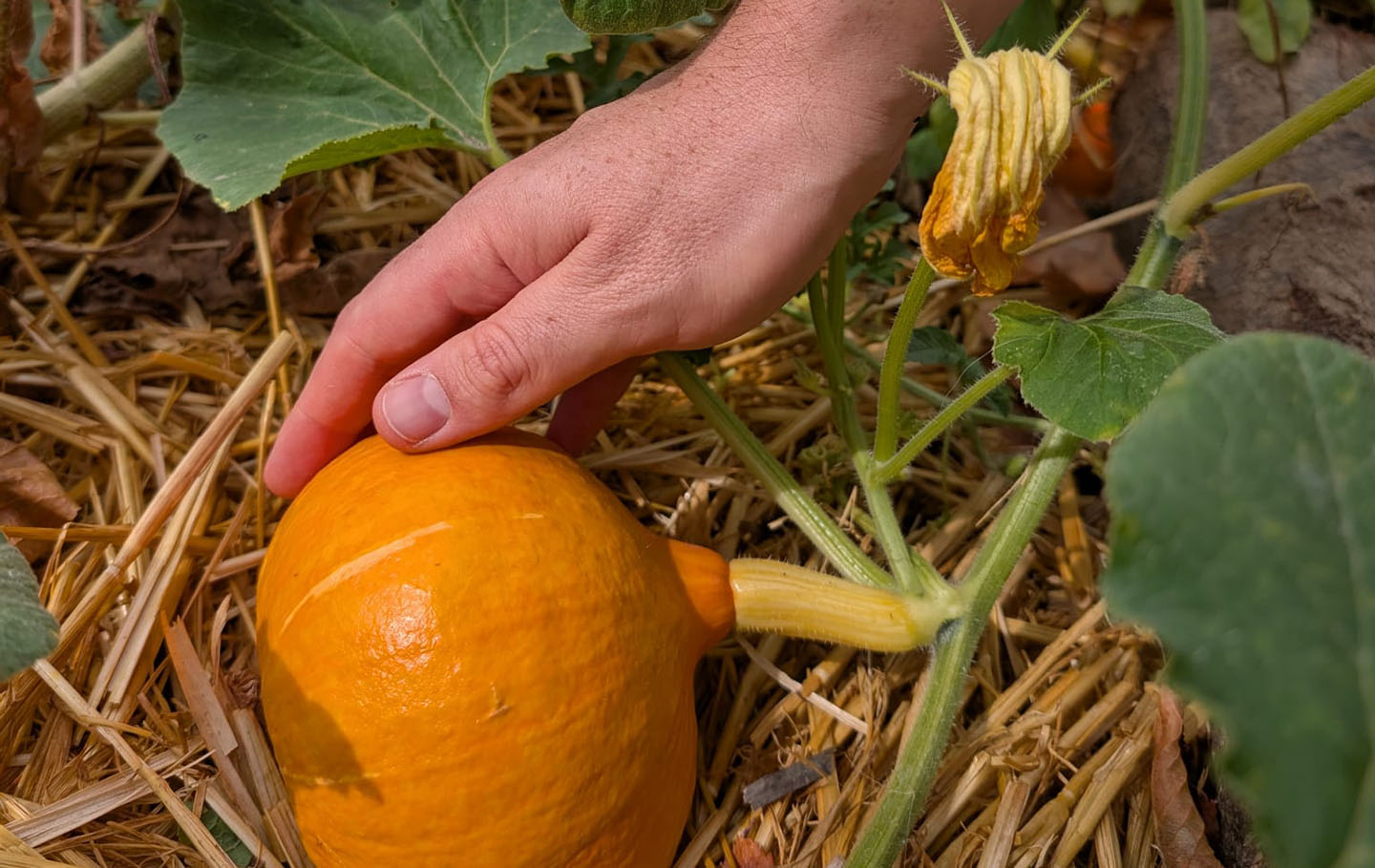 Colourful, naturally grown squash
A feast fit for a king: Chunky harvest soup
Serves: Four people
Preparation time: Approximately 15 minutes
Cooking time: Approximately 35 minutes
Ingredients
- 2 tablespoons olive oil
- 1 large onion, finely chopped
- 2 garlic cloves, finely chopped
- 6 fresh sage leaves, finely chopped
- 1 teaspoon smoked paprika
- 600g squash, peeled, deseeded and cut into small cubes
- 250g tomatoes, roughly chopped
- 1 eating apple, cored and cut into small cubes
- 1 litre vegetable stock
- 75g Swiss chard, stalks finely chopped and leaves shredded
- Lemon juice, to taste
- Salt and black pepper
Method
- Heat the olive oil in a large saucepan over a medium heat. Add the onion and cook gently for 8–10 minutes, stirring occasionally, until softened.
- Add the garlic, sage and smoked paprika. Stir for one minute.
- Add the squash, tomatoes and vegetable stock. Bring to the boil, then reduce the heat and simmer gently for 10 minutes.
- Stir in the apple. Simmer for another 8–10 minutes, until the squash is almost tender.
- Add the swiss chard leaves. Simmer for a further 5–8 minutes, until the greens and squash are tender. Add a splash of water if needed.
- Use the back of a spoon to mash a few pieces of squash against the side of the pan, thickening the broth while keeping the soup chunky.
- Taste and season with salt, black pepper and a squeeze of lemon juice.
- Ladle into bowls, serve with bread.
-
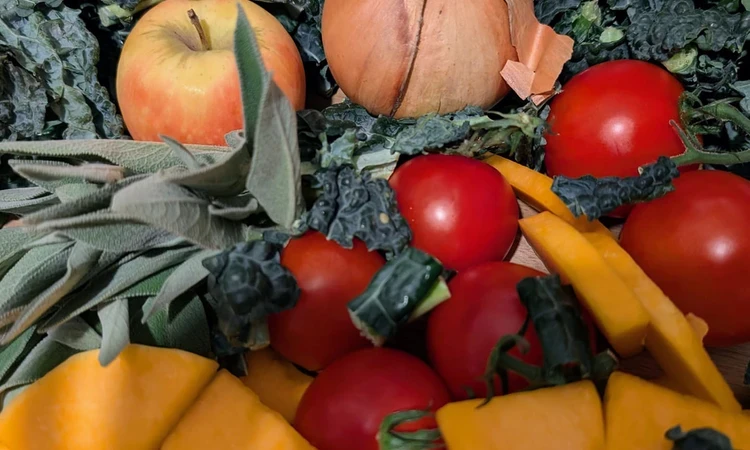 Ingredients include apple, onion, tomatoes, squash and chard
 -
 Add the garlic, sage and paprika to the cooked onion
 -
 Add the squash and tomatoes and simmer
 -
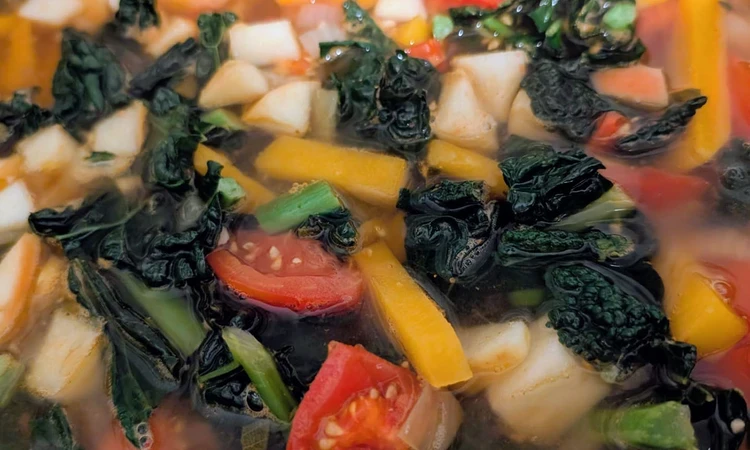 Stir in the apple and Swiss chard. Continue to simmer
 -
 The finished product: chunky harvest soup


-
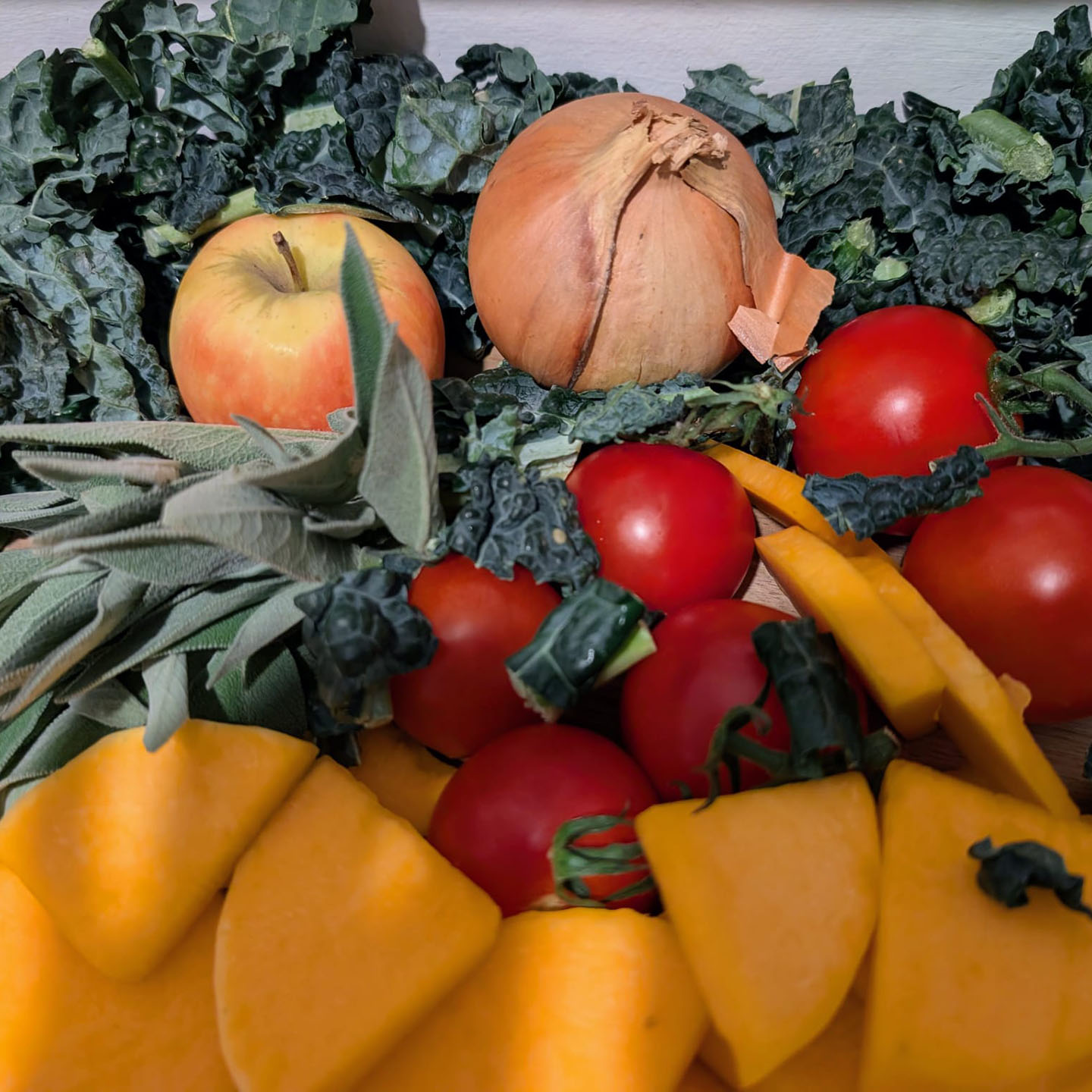 Ingredients include apple, onion, tomatoes, squash and chard
 -
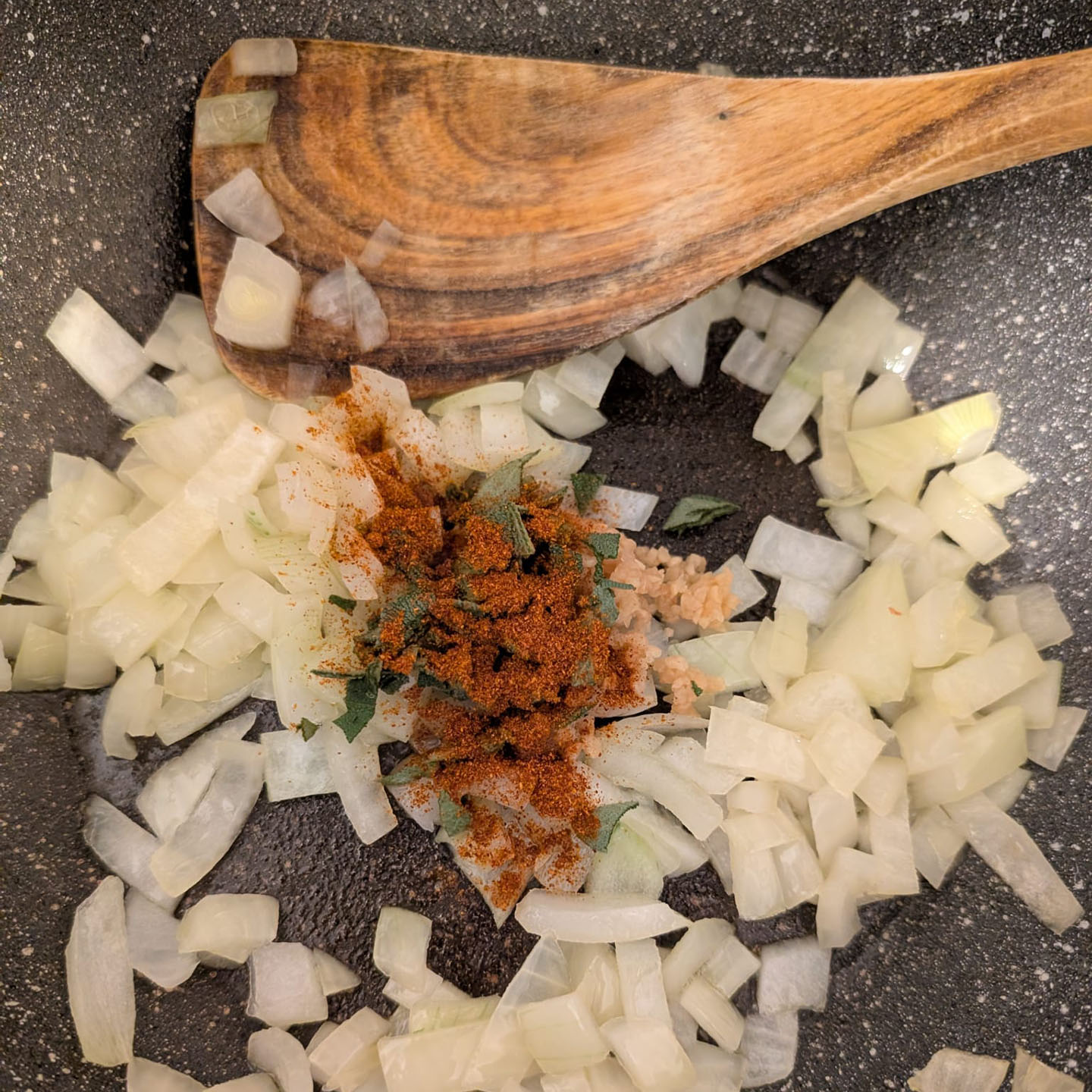 Add the garlic, sage and paprika to the cooked onion
 -
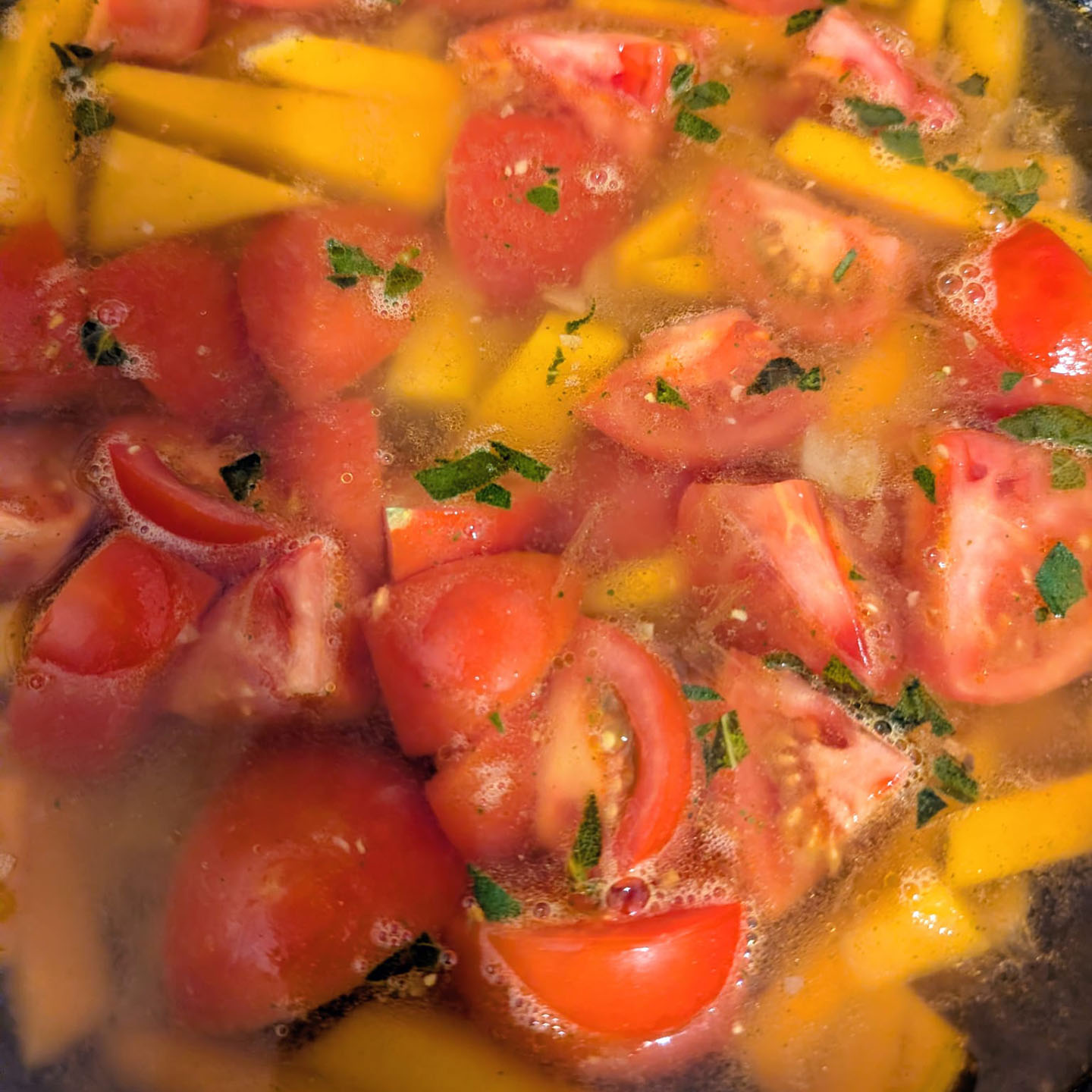 Add the squash and tomatoes and simmer
 -
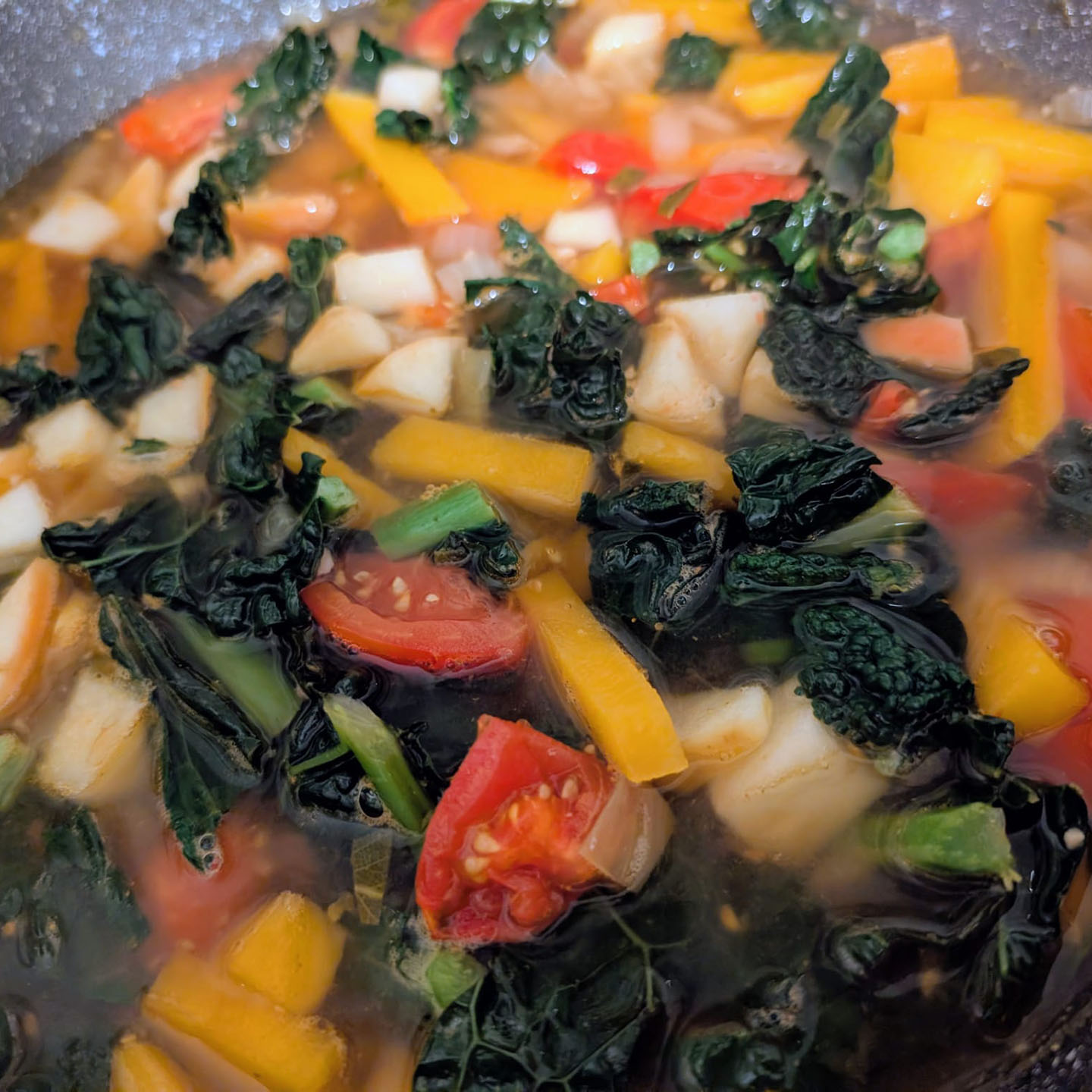 Stir in the apple and Swiss chard. Continue to simmer
 -
 The finished product: chunky harvest soup
You don’t need a large garden to experience the joy of growing food. Many vegetables and herbs can thrive in pots, raised beds or window boxes, while compact fruit varieties can be grown in surprisingly small spaces.
Next time you visit the Royal Parks, seek out one of our food-growing gardens for inspiration, seasonal ideas and practical tips. You may discover the perfect ingredient for your next meal.
Related Articles
-
 Read
ReadNature's impact on mental health & wellbeing
Discover the healing power of nature for mental health. Learn how outdoor activities and connecting with nature boost wellbeing with The Royal Parks.
-
 Listen
Birding in Hyde Park
Join our own Charlie Linton as he takes a walk in London’s Hyde Park with one of the UK’s most prominent young birdwatchers, Dr Mya-Rose Craig.
-
 Read
ReadPlants for a Purpose - spring 2025
Every season, new planting at Victoria Gate in Hyde Park will highlight a different purpose for plants – from food to medicines to textiles and dye.


